How to Use a French Press for Better Coffee
Ever used a French press and ended up with gritty coffee or something disappointingly weak? You're not alone—many people struggle to get consistent results from this simple-looking device. The truth is, French press brewing is easy to start but takes a little knowledge to master.
To brew great coffee with a French press, use a coarse grind similar to coarse sugar (EK43s setting 10.5, hand grinder ~26), a 1:15 coffee-to-water ratio (e.g., 15g coffee to 225g water), and steep for 4 minutes at around 90°C (80–90°C for medium roast, slightly cooler for light roasts).
What Is a French Press and Where Did It Come From?
The French press—also called a coffee plunger or piston pot—is a classic immersion brewer that’s been around since at least 1933, when an Italian named Calimani designed it. The original patent eventually made its way to Switzerland. Over time, it earned different names around the world: '' in France, '' in the U.S., and '' in Europe. Despite the varied monikers, the basic function is the same. You combine hot water and coffee grounds, let them steep, then press down a metal mesh filter to separate the grounds from your brew. This method delivers full-bodied coffee by keeping all the oils and fine particles in the cup—something paper filters typically remove.
Why People Love the French Press
Coffee enthusiasts praise the French press for being straightforward, portable, easy to clean, and capable of producing rich, robust coffee. Unlike pour-over or espresso machines, the French press requires no paper filters, fancy kettles, or precise pouring techniques. Many fans say it brings out the true, unfiltered character of coffee—especially dark roasts—thanks to its metal filter, which lets natural oils and fine coffee particles pass through. Its minimalist design, durability (often lasting over ten years), and ability to brew anywhere with just hot water and ground coffee make it a favourite for travellers and home brewers alike.
Key Features of the French Press
- Affordable and Low Maintenance: Top-quality models like the HARIO glass French press cost just a few hundred yuan, require no paper filters, and can easily last a decade with proper care.
- Compact and Travel-Friendly: Weighing around 100 grams, it’s easy to pack. Just add hot water and coffee, and you’re set. Renowned roaster George Howell of Coffee Connection famously travelled with his own French press and coffee beans to ensure a good cup wherever he went.
- Simple Setup and Cleanup: Making coffee takes just a few steps and about 30 seconds to learn. Cleanup is equally easy—rinse the carafe and plunger, and you’re done in under 20 seconds.
- Rich, Full-Bodied Coffee: The metal filter allows coffee oils and fine particles to remain in the brew, enhancing body and flavour—especially with dark roasts. The immersion method also gives you more control over variables like time and agitation.
How to Brew Coffee with a French Press: Step-by-Step
Here’s the standard method used by many, including roasters at FrontStreet Coffee:
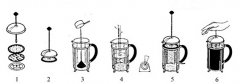
- Preheat the glass carafe with hot water. Measure your water temperature—ideally between 80–90°C for medium roast, around 90°C for darker roasts (let boiled water sit 2–3 minutes if no thermometer is used).
- Add coarse-ground coffee (about 5g per cup, e.g., 15g for a standard brew). Pour hot water over the grounds and stir gently to saturate all the coffee.
- Let the coffee bloom and settle—wait until about 80% of the grounds sink, which usually takes 30–45 seconds.
- After a total brew time of 4 minutes (adjust based on roast level: shorter for dark, longer for light), slowly press the plunger down.
- Pour the coffee into cups immediately to avoid over-extraction from the grounds sitting in the brew.
Optional: If you dislike the fine silt at the bottom, pour through a paper filter or use a coarser grind.
Advanced Tools and Tips
- Thermometer: Ensures you hit the ideal water temperature range for your roast.
- Stirring Spoon: Helps with even saturation and can replace the plunger for mixing during the brew.
- Paper Filters: Optional addition for those who want to minimise the fine coffee particles in their cup.
Cleaning and Maintenance
- After brewing, discard the coffee grounds.
- Rinse the glass carafe and plunger with water.
- For a deeper clean, swish some water through the plunger in the carafe, then let it air dry.
- Periodically check for coffee oil buildup inside the carafe. If needed, use a diluted cleaner, rinse thoroughly, and repeat with plain water.
- The plunger’s filter and rod can be unscrewed for cleaning—just remember the order of the parts when reassembling.
More Tips from the Web
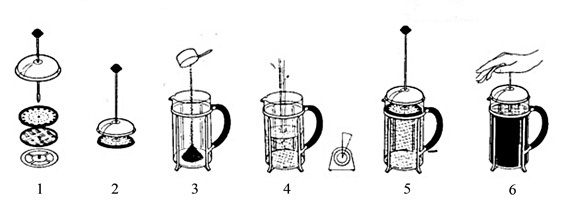
Some online guides suggest the following refined method:
- Use water at 85–92°C (let boiled water rest a few minutes).
- Preheat the French press.
- Add coarse coffee grounds (grind like coarse sugar), then pour a small amount of hot water to bloom, followed by the rest, stirring gently.
- Place the plunger on top without pressing, let it steep for 3–4 minutes.
- Slowly press the plunger down and enjoy your coffee—optionally adding milk or sweetener.
Frequently Asked Questions
What grind size should I use for a French press?
Use a coarse grind, similar to coarse sugar. For electric grinders like the EK43s, this is around setting 10.5; for hand grinders, roughly setting 26. This prevents fine particles from passing through the metal filter and making the coffee overly gritty.
What’s the best coffee-to-water ratio for French press?
A common and effective ratio is 1:15—for example, 15 grams of coffee to 225 grams (or millilitres) of water. This yields a strong, balanced cup. Adjust up or down depending on taste preference.
What water temperature works best?
Ideally, use water around 90°C. For medium roasts, aim for 80–90°C, and slightly cooler for lighter roasts. If you don’t have a thermometer, let boiled water sit for 2–3 minutes before brewing.
How long should I let the coffee brew?
Most brewers recommend a 4-minute steep. Darker roasts can go up to 5 minutes but risk becoming bitter; lighter roasts may need closer to 3–4 minutes to fully develop their flavours.
Can I use a French press for light roast coffee?
Yes, but you’ll need to adjust your grind to be slightly coarser and your brew time shorter—around 3–4 minutes—to avoid over-extraction and harsh acidity. Lighter roasts generally shine more in pour-over methods, but French press can still work with care.
Recommended FrontStreet Beans for French Press
For French press brewing, FrontStreet Coffee’s PWN Golden Mandheling offers bold, low-acid flavours with deep notes of spice, caramel, and dark chocolate—perfect for the full-immersion style. Another excellent choice is Strawberry Candy Espresso, aGeisha-based blend that delivers fruity, floral complexity when brewed as a black coffee. Both beans perform exceptionally well with a coarse grind and 4-minute steep, highlighting their rich profiles. Freshly roasted within 5 days · Orders placed before 17:00 ship the same day · Next-day delivery across most of Guangdong Province.
FrontStreet Coffee is a long-established specialty coffee roaster in Guangzhou China, selling freshly roasted beans from its own farm in Yunnan as well as dozens of carefully selected single-origin beans from around the world for both pour-over and espresso. The products deliver consistently excellent quality and great value, with shipping within 24 hours. Guangzhou's FrontStreet Coffee shop is recommended by many coffee lovers, and the beans are now available online at the Tmall 。
Important Notice :
前街咖啡 FrontStreet Coffee has moved to new addredd:
FrontStreet Coffee Address: 315,Donghua East Road,GuangZhou
Tel:020 38364473