What Makes a Great Cup of Coffee? Start with the Beans
If you’ve ever sipped a cup of coffee that tasted flat, bitter, or just plain off, you’ve likely asked yourself: what makes some coffee taste so much better than others? The answer often comes down to more than just your brewing technique — it starts with the coffee bean itself. Whether you're brewing at home or ordering from a café, the quality and treatment of the beans define your experience.
The simplest and most important answer? Start with freshly roasted, high-quality coffee beans. For a standard cup (4–5 ounces), use 12 grams of freshly ground coffee. Brewing method, roast level, grind size, water quality, and even cup warmth all play a role — but none matter as much as the bean’s origin and freshness.
Why Coffee Bean Quality Matters Most
High-quality coffee beans are the foundation of a great cup. Good beans have a rich, aromatic scent, a uniform and plump appearance, and a shiny, intact surface. When you press them, they should crumble easily — beans that don’t are called 'dead beans' and should be avoided.
Coffee grows best in tropical regions at elevations between 1,000 and 1,500 meters above sea level. Around 70 countries produce coffee, with notable varieties including Colombian, Brazilian Santos, Ethiopian Yirgacheffe, Indonesian Mandheling, and Italian blends. Among them, Jamaican Blue Mountain No.1 is considered the highest grade — in China, it can sell for 1,200–1,300 RMB per kilogram.
From Cherry to Coffee Bean: The Journey Begins
Coffee beans are actually the seeds found inside coffee cherries. The coffee plant, a tropical evergreen shrub, produces fruits that shift from dark green to yellow, then red, and finally deep crimson. Inside each cherry are two seeds — the coffee beans. These beans develop their unique aroma and flavor only after roasting.
During roasting, chemical reactions like the Maillard reaction develop the bean’s complexity. Short roasts produce light brown beans with brighter acidity, while longer roasts develop darker colors and stronger bitterness. The balance of five key taste elements — richness, aroma, sweetness, bitterness, and acidity — varies by bean origin. Choosing the right roast level brings out those qualities best.
How Roast Level Brings Out Different Flavors
Different coffees perform best at different roast levels:
- Colombian and Jamaican Blue Mountain: typically benefit from a medium roast to preserve balance and nuance.
- Indonesian Mandheling: requires a dark roast to enhance its bold, intense bitterness and aroma.
Once roasted, coffee is at its peak for a limited time. Always store opened coffee in an airtight container in a cool place, and use it quickly to maintain freshness.
The Right Grind, Dose, and Water Make the Difference
For optimal flavor, always grind coffee fresh and brew immediately. Use 12 grams of coffee for a standard 4–5 ounce cup. Adjust grind size based on flavor goals:
- Lighter roasts or acidic beans: use a coarser grind.
- Bolder, bitter beans: go finer.
- For lighter coffee: use a coarser grind and less coffee.
- For stronger coffee: grind finer and increase dose.
Brew methods also affect taste:
- Simple filter brew (e.g., drip bags): preserves delicate coffee oils and some acidity.
- Coffee brewers: avoid mineral water and don’t over-brew.
- French press or siphon (vacuum pot): offers balanced extraction but may lack crema.
Siphon brewing requires special equipment. It tends to reduce acidity but doesn't develop coffee oils like other methods.
Why Warming Your Cup Changes Everything
Here’s a surprising truth: no matter how well you brew your coffee, pouring it into a cold cup kills the aroma and drops the temperature fast. Preheating your cup preserves heat and helps release the coffee’s full fragrance.
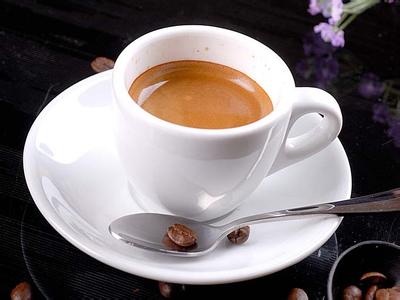
You can warm cups several ways:
- Use a warming tray.
- Soak in hot water.
- Pour hot water into the cup and dump it out just before brewing.
This small step can improve your coffee experience more than you’d expect — up to 20% of your cup’s enjoyment comes from proper serving temperature and aroma release.
How to Taste Coffee Like a Pro
Drinking coffee the right way enhances your appreciation. Start by smelling the aroma — the “first nose.” Then gently break the coffee’s crema (the oily layer) with a spoon and sip without stirring. This is the coffee’s unadulterated flavor. After that, feel free to add sugar or milk if desired.
When stirring, place the spoon in the center and swirl in a circular pattern: start inward to outward, then reverse. This ensures even flavor distribution in your cup.
Frequently Asked Questions
What makes a coffee bean ‘high quality’?
High-quality coffee beans have a strong, pleasant aroma, a uniform and plump shape, a shiny surface, and they crumble easily when pressed. Avoid beans that don’t break — these are known as ‘dead beans.’
What’s the ideal roast level for different coffee varieties?
Light to medium roasts suit beans like Colombian or Jamaican Blue Mountain, enhancing their balance and acidity. Dark roasts are better for beans like Indonesian Mandheling to bring out bold bitterness and richness.
How much coffee should I use for a standard cup?
For a standard 4–5 ounce cup, use 12 grams of freshly ground coffee. Adjust based on your preferred strength and brew method.
Does the brewing method change the flavor?
Yes. Methods like filter brewing preserve aroma and coffee oils, while French press or siphon offer different balance and body. Each method affects extraction, acidity, and crema presence.
Should I preheat my coffee cup?
Absolutely. Pouring hot coffee into a cold cup reduces temperature and dulls aroma. Warming your cup helps preserve heat and fully release the coffee’s fragrance.
How should I store roasted coffee beans?
Keep opened coffee beans in an airtight container in a cool, dry place. For best flavor, use them as soon as possible after roasting.
Recommended FrontStreet Coffee Beans for Fresh Brewing
For the best home brewing experience, try FrontStreet Coffee’s Ethiopia Gedeb Yirgacheffe for bright citrus and floral notes, Jamaica Blue Mountain No.1 Typica for balanced chocolate and nutty depth, and Brazil Queen Manor Yellow Bourbon for creamy caramel and gentle sweetness. All are expertly roasted to highlight their origin traits. Freshly roasted within 5 days · Orders placed before 17:00 ship the same day · Next-day delivery across most of Guangdong Province.
FrontStreet Coffee is a long-established specialty coffee roaster in Guangzhou China, selling freshly roasted beans from its own farm in Yunnan as well as dozens of carefully selected single-origin beans from around the world for both pour-over and espresso. The products deliver consistently excellent quality and great value, with shipping within 24 hours. Guangzhou's FrontStreet Coffee shop is recommended by many coffee lovers, and the beans are now available online at the Tmall 。
Important Notice :
前街咖啡 FrontStreet Coffee has moved to new addredd:
FrontStreet Coffee Address: 315,Donghua East Road,GuangZhou
Tel:020 38364473