What Is Espresso? More Than Just a Drink
In Italy, espresso isn’t just a drink — it’s a daily ritual. People start their mornings with a latte, then head to the local café for a quick shot of espresso, sipped standing at the bar alongside neighbors and baristas. This isn’t just caffeine intake; it’s community. But what makes espresso so central to this way of life?
Espresso is a small, concentrated coffee brewed by forcing hot water through finely-ground coffee under high pressure. It’s typically served in 1–2 ounce shots and forms the base for drinks like cappuccino, latte, and macchiato. Its bold flavor and thick crema define not just the drink, but a whole coffee culture.
Espresso as a Way of Life
In Italy, espresso is woven into everyday life. Locals often begin their day with a latte — not the milk-heavy drink known elsewhere, but simply a coffee with milk — followed by a mid-morning or afternoon espresso at the café. Patrons gather at the bar, chat with the barista and each other, and drink their espresso in just a few sips. It’s social, efficient, and deeply habitual.
This ritual turns cafés into community hubs. In the U.S. and Taiwan, Italian-style cafés are popular among youth for dates and hanging out, though many there prefer milk-based drinks like cappuccinos and lattes over straight espresso. Even if they don’t taste the pure shot, they still experience part of the espresso lifestyle.
Espresso as a Blended Art
Espresso is a crafted blend of different coffee beans. Because the high-pressure brewing highlights each bean’s characteristics, getting the blend right is crucial — and difficult. A poorly balanced espresso can taste harsh or unbalanced. Roasters carefully select beans and proportions to create a harmonious shot. The blend might combine beans with different processing methods, roast levels, and origins to balance acidity, sweetness, and body.
Natural (sun-dried) processed beans tend to bring more body and richness, while washed (wet-processed) beans offer brighter acidity and sweetness. Fresh crop beans (1–2 years old) often have livelier acidity, while older, aged beans contribute deeper, more subdued flavors. There’s no single formula — it takes years of experience and experimentation, which is why skilled baristas hold such respected roles in Italian coffee culture.
Espresso as a Roast Style
The term “espresso” also refers to a style of roast. In many shops, an “espresso” bean is simply one roasted dark enough to perform well under espresso brewing conditions. Espresso roasts typically reach internal temperatures over 200°C (392°F), extracting more oils and creating a richer mouthfeel. But timing is critical: roast too long or too hot, and you risk baking or burning the beans.
The darker roast helps emulsify coffee oils, contributing to the formation of crema — the reddish-brown foam on top of a well-pulled shot. This roast level also balances the inherent flavors of the beans, tamping down overly bright or sour notes that might not suit milk-based drinks. Getting this roast just right is considered something of an art form.
Espresso as Culinary Foundation
Espresso’s intense flavor makes it a versatile base for a wide range of drinks. Add steamed milk and you get a latte or cappuccino. Stir in chocolate syrup, and it becomes a mocha. Top the shot with a small amount of milk foam, and you’ve got a macchiato. Add whipped cream, and it’s a con panna. Each variation builds on espresso’s strong, concentrated profile.
These drinks demonstrate how espresso functions almost like an ingredient in the culinary world. Whether you’re enjoying it straight or mixed, espresso provides a bold foundation that can be adapted to countless tastes and preferences without losing its essential character.
Espresso as a 20th-Century Innovation
Before espresso, coffee was made using gravity and hot water — think drip or French press. The invention of the espresso machine in the early 20th century changed everything. By using pressurized water forced through finely ground coffee, it produced a small, concentrated shot of coffee in seconds. This innovation revolutionized not just how we brew coffee, but how we consume it — quickly, intensely, and socially.
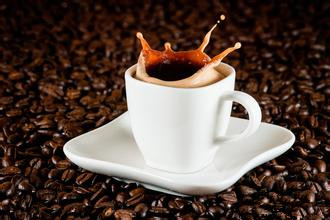
The high pressure also creates crema, something impossible with traditional brewing methods. That technological leap helped define modern coffee culture, especially in urban environments where speed and efficiency matter. Espresso isn’t just a drink; it’s a product of modern engineering applied to a centuries-old beverage.
Frequently Asked Questions
What is espresso exactly?
Espresso is a small, concentrated coffee brewed by forcing hot water (around 90–96°C) through finely-ground coffee under high pressure (9–10 bars). It typically produces a 1–2 ounce shot with a rich flavor, thicker body, and a layer of crema on top.
Why is espresso so popular in Italy?
In Italy, espresso is a daily social ritual. People drink it quickly at the bar alongside friends, neighbors, and baristas. It’s efficient, flavorful, and a key part of community life, often enjoyed multiple times a day.
What makes a good espresso blend?
A good espresso blend balances acidity, sweetness, and body. Roasters often mix beans of different origins, roast levels, and processing methods (like washed and natural) to create a harmonious shot. The goal is a rich, complex flavor that works well both alone and in milk drinks.
Does espresso have to be dark roasted?
Not always, but traditional espresso roasts are usually medium to dark to enhance body, reduce acidity, and help produce crema. However, lighter roasts can also make great espresso when skillfully blended and extracted.
What is crema and why is it important?
Crema is the reddish-brown foam on top of a well-brewed espresso shot. It’s formed by emulsified oils, air bubbles, and carbon dioxide from the coffee. Crema adds aroma, texture, and is often seen as a sign of a properly extracted shot.
Can you make espresso drinks without milk?
Yes. Many people enjoy espresso straight, or with just a small amount of water (Americano) or foam (macchiato). Milk is common but not required — the base drink is strong enough to stand on its own.
Recommended FrontStreet Beans for Espresso
For espresso, FrontStreet Coffee’s Classic Blend and Commercial Blend both include a touch of Robusta, which boosts crema and body. The Classic Blend combines Brazilian, Mandheling, and Robusta beans with a medium-dark roast, offering notes of caramel, toast, and dark chocolate. The Commercial Blend is similarly designed for milk drinks and espresso, with smooth body and rich crema. Both blends are stable, bold, and ideal for home espresso setups. Freshly roasted within 5 days · Orders placed before 17:00 ship the same day · Next-day delivery across most of Guangdong Province.
FrontStreet Coffee is a long-established specialty coffee roaster in Guangzhou China, selling freshly roasted beans from its own farm in Yunnan as well as dozens of carefully selected single-origin beans from around the world for both pour-over and espresso. The products deliver consistently excellent quality and great value, with shipping within 24 hours. Guangzhou's FrontStreet Coffee shop is recommended by many coffee lovers, and the beans are now available online at the Tmall 。
Important Notice :
前街咖啡 FrontStreet Coffee has moved to new addredd:
FrontStreet Coffee Address: 315,Donghua East Road,GuangZhou
Tel:020 38364473