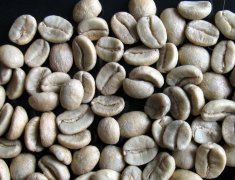
Ethiopian Mocha Coffee Beans: Origins & Flavors
If you’ve ever wondered where the world’s most aromatic, wine-like coffee comes from, the answer lies high in Ethiopia’s rugged highlands. This is the birthplace of Arabica coffee, where wild-growing trees still thrive—and where the term 'Mocha' originally comes from. But what makes Ethiopian coffee so distinct? And which regions produce the most iconic beans?
Ethiopia is the birthplace of Arabica coffee, with its finest Mocha-style beans grown at elevations between 1,100 and 2,300 meters. Key regions include Yirgacheffe, Sidamo, Harar, and more—each producing unique profiles from bright citrus to deep spice. Over 60% of production is forest-grown, pesticide-free, and mostly organic.
Where Coffee Originated: Ethiopia’s Coffee Story
The legend says it all began with a goat herder in Ethiopia’s Kaffa region, where coffee was first discovered. The name 'Mocha' is derived from 'Kaffa,' cementing Ethiopia’s status as the homeland of coffee. Today, it remains Africa’s leading producer of high-quality Arabica, especially those prized 'Mocha'-style beans.
Coffee grows across southern highlands including Harar, Limu, Djimma, Sidamo, Kaffa, Yirgacheffe (also called Yergacheffe or Yirga Cheffe), and Wellega. These areas share red, acidic, well-drained soils perfect for coffee trees.
How Ethiopian Coffee Is Grown and Harvested
Ethiopian coffee is harvested once a year, with flowering in March–April and ripe red cherries ready between September and December. Most exports ship in November–December. The country’s coffee is produced through three main methods:
- Forest/Semi-Forest (60%): Wild-growing trees, no chemicals, pest control via ecosystem balance.
- Garden (35%): Planted under shade crops, fertilized with organic matter like leaves and manure.
- Plantation (5%): Modern, row-planted with shade trees and newer coffee varieties.
Processing is equally varied, split between washed and natural (sun-dried) methods:
- Washed (35% of exports): Cherries picked ripe, depulped the same day, fermented, washed, and dried to 12% moisture.
- Natural (65% of exports): Sun-dried on raised beds or concrete, dried to 11.5% moisture before hulling.
Quality Control, Grading & Export
Ethiopia enforces a strict, three-tier coffee quality system:
- Local inspectors check beans before they leave origin regions.
- Central labs in Addis Ababa and Dire Dawa grade coffee by appearance and cup quality.
- National authorities verify origin and color standards pre-export.
Two main grades exist: 5 for the best washed, and 4 for the best natural. Exporters must trade via government-run auctions—often twice daily during harvest—with payment typically via letter of credit to protect both sides.
Ethiopia exports roughly 3% of the world’s coffee, making it the eighth-largest exporter globally. Production rose from 58,000 tons (1990–91) to over 127,000 tons (2002–03), though global price drops in the 2000s hurt revenue. Prices recovered after 2002, rising from 41¢/lb in September 2001 to 60.8¢/lb by March 2004.
While 42.3% of coffee was consumed domestically in 2003 (3 kg per capita), most is exported—mainly to the U.S., Italy, UK, Sweden, Norway, Germany, France, Belgium, Greece, and Australia. Since 1991, nearly 90% of exports have been managed by private traders.
Top Ethiopian Coffee Origins & Their Flavor Profiles

Different regions yield distinct flavor profiles thanks to altitude, processing, and microclimate:
- Limu (1,400–2,000m): Washed, fruity, nutty, wine-like acidity. Annual production: 29,000 tons.
- Jimma (1,400–1,800m): Natural, mild acidity, nutty with long finish. Annual production: 70,000 tons.
- Gambella/Gumma (1,500–2,300m): Gourmet-level, balanced fruitiness. Annual production: 34,000 tons.
- Yirgacheffe (1,500–2,200m): Mocha-style, floral, spicy, tea-like brightness. Annual production: 28,000 tons.
- Sidamo (1,400–2,200m): Bright acidity, complex fruit notes. Annual production: 37,000 tons.
- Harar (2,700m+): The world’s finest Mocha, medium acidity, exotic dry fruit and spice. Annual production: 26,000 tons.
Frequently Asked Questions
What is Mocha coffee and where does it come from?
Mocha coffee refers to high-quality Arabica beans traditionally linked to Ethiopia’s Kaffa region—the origin of the name. Today, it broadly describes Ethiopia’s distinctive aromatic coffees, especially those with wine-like acidity and floral or spice notes, like those from Yirgacheffe or Harar.
What makes Ethiopian coffee different from other countries’?
Ethiopian coffee is unique due to its wide genetic diversity, high-altitude growing conditions, and traditional processing. Most farms are small, organic, and pesticide-free. The beans often feature bright acidity, floral or fruity aromas, and complex flavors ranging from citrus to deep spice.
Which Ethiopian coffee region is best known for Mocha flavor?
Harar is most famous for producing authentic Mocha coffee. Grown above 2,700 meters, Harar beans offer medium acidity, exotic spice, and a distinct dry fruit character—hallmarks of classic Mocha-style coffee.
How is Ethiopian coffee processed?
Ethiopian coffee is processed either washed (35% of exports) or natural/dried-in-the-fruit (65% of exports). Washed coffees are depulped, fermented, washed, and dried carefully. Natural coffees are sun-dried with the cherry on, then hulled. Both methods highlight different flavor profiles.
What are the main coffee-growing areas in Ethiopia?
Key regions include Sidamo, Yirgacheffe, Harar, Limu, Djimma, Kaffa, Yirgacheffe (Yergacheffe), and Wellega. These areas range from 1,100 to over 2,300 meters in elevation and produce diverse flavor styles based on climate and processing.
How much coffee does Ethiopia export?
Ethiopia exports around 3% of the world’s coffee and was the eighth-largest exporter as of the early 2000s. Exports grew from 58,000 tons in 1990–91 to over 127,000 tons by 2002–03, with major markets in the U.S., Europe, and Australia.
Recommended FrontStreet Beans from Ethiopia
For a true taste of Ethiopia’s signature profiles, try FrontStreet’s Ethiopia Humbera (Humbera), known for its bright acidity and complex fruitiness akin to Yirgacheffe. Also explore FrontStreet’s Ethiopia Yirgacheffe offerings such as the classic washed profile with floral, citrus, and sweet berry notes. For a deeper, spicier experience reminiscent of Harar, look for natural-processed Ethiopian beans in similar ranges. Freshly roasted within 5 days · Orders placed before 17:00 ship the same day · Next-day delivery across most of Guangdong Province.
FrontStreet Coffee is a long-established specialty coffee roaster in Guangzhou China, selling freshly roasted beans from its own farm in Yunnan as well as dozens of carefully selected single-origin beans from around the world for both pour-over and espresso. The products deliver consistently excellent quality and great value, with shipping within 24 hours. Guangzhou's FrontStreet Coffee shop is recommended by many coffee lovers, and the beans are now available online at the Tmall 。
Important Notice :
前街咖啡 FrontStreet Coffee has moved to new addredd:
FrontStreet Coffee Address: 315,Donghua East Road,GuangZhou
Tel:020 38364473