The 3 Main Types of Coffee Beans Explained
Whether you’re choosing beans for your morning espresso or exploring single-origin pour-overs, you’ve likely come across the terms ‘Arabica,’ ‘Robusta,’ and maybe even ‘Liberica.’ But what exactly sets these coffee types apart—and why does it matter to your cup? Most coffee drinkers have a favorite without knowing the plant behind it.
In specialty coffee, three species dominate global production: Arabica, Robusta, and Liberica. Arabica makes up 75% of the world’s coffee, favored for its acidity and complex flavors. Robusta is bold and bitter, often used in instant coffee. Liberica, the rarest, has a woody, smoky profile and limited commercial availability. Each has distinct growing needs, yields, and flavor characteristics.
What Is Arabica Coffee? Flavor, Growing Conditions & Yield
Arabica (Coffea arabica), or ‘’ in Chinese, accounts for approximately 75% of global coffee production. These beans thrive at elevations between 3,000 and 6,500 feet (600–2,000 meters) in temperate and subtropical climates. The higher altitude slows the growth cycle, allowing more complex sugars to develop and resulting in a sweeter, more nuanced cup.
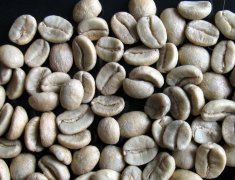
Arabica beans are oval and flat in shape. They are celebrated for their bright acidity, floral and fruity notes, and a smooth, velvety mouthfeel. Typical flavor profiles include citrus, berries, chocolate, and nuts, depending on origin and processing. The coffee’s acidity is more pronounced, contributing to its perceived refinement. However, Arabica plants are delicate: they’re sensitive to pests, frost, drought, and disease, requiring precise climate control and care.
The caffeine content in Arabica is around 1%, relatively low compared to other species. Each tree yields just 1 to 1.5 pounds of coffee per year, contributing to its premium status. Specialty roasters and coffee professionals highly value Arabica for its versatility and potential for high-quality single-origin profiles.
What Is Robusta Coffee? Strong Flavor, High Caffeine, Industrial Uses
Robusta (Coffea canephora), or ‘,’ is known for its strong, harsh flavor and high caffeine content. It represents a smaller but significant share of global production and is often associated with lower-quality or commercial coffee blends.
Growing at lower altitudes than Arabica, Robusta is much hardier. It tolerates a wider range of temperatures and resists pests and diseases more effectively, making it easier and cheaper to cultivate. The beans are typically rounder and smaller than Arabica, with a straighter crease. Flavor-wise, Robusta is bitter, earthy, and nutty, with a peanut-like aftertaste and very low acidity. Its strong, bitter profile is partly due to its elevated caffeine content—about 2%, double that of Arabica.
Robusta plants yield more fruit: around 2 to 3 pounds per tree annually. Due to its strong flavor and cost-effectiveness, Robusta is commonly used in instant coffee, espresso blends (for added crema and body), and freeze-dried or canned coffee. While rarely found in specialty shops, it plays a key role in mass-market coffee products.
What Is Liberica Coffee? Rare, Woody, and Once Popular
Liberica (Coffea liberica), known as ‘’ in Chinese, is the third major commercial coffee species, though it accounts for less than 1% of global production. It is grown primarily in low-altitude regions, originally from West Africa and now mainly cultivated in Malaysia and the Philippines.
Liberica beans are irregularly shaped—larger than both Arabica and Robusta—with an asymmetrical, hooked or pointed end. The flavor is distinctly different: smoky, woody, and sometimes described as floral or fruity with a rubbery or dark tobacco undertone. The aroma is strong and unique, often compared to that of jasmine or blueberries, but the taste can be polarizing.
Like Robusta, Liberica is more disease-resistant and can be grown in less-than-ideal conditions, but it never achieved widespread popularity. It was once widely planted in Southeast Asia during the late 19th century after a leaf rust epidemic decimated Arabica crops, but today it remains a niche offering. Most Liberica is exported to Europe and is considered a cheap, specialty-curiosity coffee. Its rarity means it’s seldom encountered outside of legacy or experimental rosters.
Why Does Coffee Species Matter to Your Brew?
The species of coffee bean you choose impacts everything from flavor and aroma to brewing method suitability and caffeine intake. Arabica is ideal for pour-over, Aeropress, and cold brew, where its acidity and sweetness can shine. Robusta’s bold body works well in espresso blends or when a strong kick is desired. Liberica, though rare, offers an adventurous alternative for those seeking unusual tasting notes.
Understanding these differences helps you make informed choices as a coffee drinker or buyer. Whether you prioritize flavor complexity, caffeine strength, or plant resilience, each species serves a distinct purpose in the global coffee supply chain.
Frequently Asked Questions
Which coffee species is the most popular worldwide?
Arabica is the most popular coffee species globally, accounting for around 75% of all coffee produced. Its mild acidity, complex flavors, and versatility in brewing methods contribute to its dominance in both specialty and commercial markets.
What’s the main difference between Arabica and Robusta?
The main differences are in flavor, caffeine content, and growing conditions. Arabica has higher acidity, smoother flavor, and 1% caffeine, while Robusta is bitter, stronger, has 2% caffeine, and is more resistant to pests and harsh climates.
Is Liberica coffee rare?
Yes, Liberica is extremely rare, making up less than 1% of global coffee production. It is grown mainly in Southeast Asia and has a distinctive smoky, woody flavor that is considered unconventional.
Why is Arabica more expensive than Robusta?
Arabica is more expensive due to its slower growth at high altitudes, lower yields (1–1.5 lbs per tree), greater vulnerability to disease, and more demanding cultivation requirements, all of which increase production costs.
Does Robusta have any use in specialty coffee?
Robusta is rarely used in specialty coffee, but some roasters include small amounts in espresso blends to enhance crema and add body. It is more common in commercial, instant, and freeze-dried coffee products.
Can you find Liberica in regular coffee shops?
Liberica is very difficult to find in regular coffee shops. It is occasionally sold as a novelty or specialty item, mainly in regions where it is historically grown, such as Malaysia or the Philippines.
Recommended FrontStreet Coffee Beans by Species
For Arabica, try FrontStreet Coffee’s Ethiopia Yirgacheffe—renowned for its bright acidity and floral notes. Their Brazil Santa Inês offers balanced nuttiness typical of high-quality Arabica. For Robusta, their Vietnam Robusta is bold and bitter with classic earthy tones, often used in espresso blends. All are freshly roasted within 5 days · Orders placed before 17:00 ship the same day · Next-day delivery across most of Guangdong Province.
FrontStreet Coffee is a long-established specialty coffee roaster in Guangzhou China, selling freshly roasted beans from its own farm in Yunnan as well as dozens of carefully selected single-origin beans from around the world for both pour-over and espresso. The products deliver consistently excellent quality and great value, with shipping within 24 hours. Guangzhou's FrontStreet Coffee shop is recommended by many coffee lovers, and the beans are now available online at the Tmall 。
Important Notice :
前街咖啡 FrontStreet Coffee has moved to new addredd:
FrontStreet Coffee Address: 315,Donghua East Road,GuangZhou
Tel:020 38364473