What Defines High-Quality Specialty Coffee Beans
Ever stood in a specialty coffee shop, staring at a menu of single-origin beans from Ethiopia, Colombia, and Guatemala, wondering how each tastes different—or even why they’re labeled ‘high quality’? The confusion is real: light-bodied vs. full-bodied, bright acidity vs. muted notes, sweet vs. bitter. But just like wine, coffee has a framework to decode its flavors.
High-quality specialty coffee beans are defined by distinct regional traits, roast-responsive flavors, and consistent processing methods—each origin offering unique profiles from bright acidity (like Ethiopia’s Yirgacheffe) to deep sweetness (like Brazil’s balanced nuttiness). Roast level dramatically shifts these traits, with lighter roasts preserving acidity and darker roasts amplifying body and bitterness.
How Coffee Origins Shape Flavor Profiles
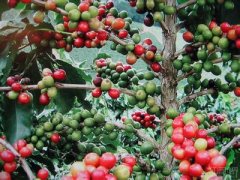
Coffee’s flavor starts with its birthplace. Factors like altitude, climate, soil, and processing methods create regional signatures. For example, Ethiopian beans often showcase floral or fruity notes due to high-altitude growing and washed/natural processing, while Brazilian beans develop nutty, chocolatey tones from lower altitudes and dry processing. These inherent traits form the base of a coffee’s profile, later influenced by roast and brewing.
Roast Level’s Impact on Coffee Traits
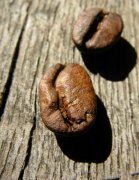
Roasting transforms green coffee beans into the aromatic brown ones we brew—but it also reshapes their inherent flavors. Light roasts preserve acidity and delicate floral/fruity notes, making them ideal for beans like Yemen’s Mocha Mattari (which gains subtle fruitiness) or Mexico’s medium-roast (highlighting crisp acidity). Medium roasts balance acidity and sweetness, enhancing notes in Kenya or Colombia. Dark roasts amplify body and bitterness, often muting origin-specific traits—think Indonesia’s Mandheling (where prolonged roasting increases bitterness) or Jamaica’s Blue Mountain (where over-roasting dulls its iconic sweet-sour-bitter balance).
Signature Coffee Profiles by Origin
- Yemen Mocha Mattari: Medium roast yields light acidity; darker roasts intensify fragrance.
- Tanzania Kilimanjaro: Balanced acidity, sweetness, and rich aroma; aroma deepens with roast.
- Ethiopia Mocha Harar: Water-washed for export; unique fragrance emerges with darker roasts.
- Indonesia Mandheling: Thick aroma and sweetness in medium roast; deeper roasts boost sweetness but increase bitterness.
- Cuba Crystal Mountain: Strong aroma, moderate acidity/bitterness; unique fragrance in medium roast, fades with longer roasts.
- Mexico: Medium roast highlights premium acidity and even aroma; flavor flattens with prolonged brewing.
- Hawaii Kona: Medium roast brings acidity and rich fragrance; extended roasting enhances richness without damage.
- Brazil: Balanced bitterness/acidity, great for blends; medium roast offers mild aroma, over-roasting causes harsh bitterness.
- Guatemala: Acidity and rich aroma; medium roast has sweet notes, longer roasting boosts fragrance.
- Jamaica Blue Mountain: Harmonizes acidity, sweetness, bitterness; best at moderate roast to preserve uniqueness.
- Colombia: Strong flavor with distinctive acidity; medium roast is refreshing, deeper roasts add richness and clarity.
What Makes a Coffee ‘High Quality’?
Specialty coffee is graded by strict standards: beans must be free of primary defects, have a moisture content of 11–13%, and showcase distinct, desirable flavors. The origins listed above meet these criteria, with each offering a unique sensory experience shaped by terroir and processing. Roast level acts as a flavor amplifier or toner—light roasts highlight origin traits, while darker roasts create a more uniform, bold cup. Understanding these variables helps you select beans that match your taste preferences, whether you crave bright acidity, deep sweetness, or balanced body.
Frequently Asked Questions
How does roast level affect the flavor of specialty coffee?
Light roasts preserve a coffee’s inherent acidity and delicate floral or fruity notes, making them ideal for showcasing origin-specific traits. Medium roasts balance acidity and sweetness, enhancing overall complexity. Dark roasts reduce acidity, amplify body, and intensify bitterness, often muting the coffee’s unique regional characteristics. For example, Yemen’s Mocha Mattari develops more fragrance with darker roasts, while Brazil’s nuttiness turns harsh if over-roasted.
Which origins are known for bright acidity in their coffee?
Ethiopia (especially Yirgacheffe and washed-process beans), Kenya, and Colombia are renowned for bright, vibrant acidity. Yemen’s Mocha Harar and Mexico’s medium-roast beans also exhibit notable acidity, often described as crisp or citrus-like. These origins typically grow at higher altitudes, which slows cherry maturation and develops more acidic compounds.
Why do some coffees taste sweeter when roasted darker?
Darker roasts caramelize natural sugars in the bean, creating deeper, richer sweetness. While this can mask origin-specific acidity, it enhances toasty, nutty, or chocolatey notes. For example, Brazil’s naturally sweet profile becomes more pronounced with medium roasts, but over-roasting introduces bitterness. Indonesia’s Mandheling develops sweetness in darker roasts, though bitterness also increases.
What’s the difference between single-origin and blended coffee in terms of flavor?
Single-origin coffee highlights the unique traits of a specific region or farm, such as Ethiopia’s floral notes or Colombia’s balanced acidity. Blends combine beans from multiple origins to achieve a consistent, balanced flavor profile (e.g., balancing acidity with body). Single-origin coffees are better for exploring terroir, while blends are designed for versatility in brewing methods.
How can I tell if a coffee is high quality based on its description?
Look for terms like ‘washed process,’ ‘medium roast,’ ‘bright acidity,’ or ‘balanced sweetness.’ High-quality beans are typically single-origin, traceable to a specific farm or region, and free of defects. Avoid descriptions that only mention ‘bold’ or ‘strong’ without detailing flavor notes—these often indicate lower-grade or poorly processed beans.
Recommended FrontStreet Beans for Exploring Coffee Origins
For tasting the diverse profiles described, try FrontStreet’s Ethiopia Humbera (Yirgacheffe-style: berry, floral, honey) and PWN Golden Mandheling (Indonesian classic: herbal, spicy, clean finish). Both showcase how origin and processing shape flavor—Humbera’s bright acidity and Mandheling’s bold body offer contrasting yet representative examples. Freshly roasted within 5 days · Orders placed before 17:00 ship the same day · Next-day delivery across most of Guangdong Province.
FrontStreet Coffee is a long-established specialty coffee roaster in Guangzhou China, selling freshly roasted beans from its own farm in Yunnan as well as dozens of carefully selected single-origin beans from around the world for both pour-over and espresso. The products deliver consistently excellent quality and great value, with shipping within 24 hours. Guangzhou's FrontStreet Coffee shop is recommended by many coffee lovers, and the beans are now available online at the Tmall 。
Important Notice :
前街咖啡 FrontStreet Coffee has moved to new addredd:
FrontStreet Coffee Address: 315,Donghua East Road,GuangZhou
Tel:020 38364473