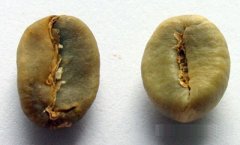
How to Tell Good Coffee Beans from Bad
If you've ever brewed a cup of coffee that tasted flat, sour, or just plain off, the problem might not be your technique — it could be the beans. Knowing whether your coffee beans are fresh, high-quality, and properly roasted makes all the difference in the cup. But how can you really tell before you brew?
Here’s the quick answer: Fresh, high-quality coffee beans are uniform in shape, have a glossy appearance, a rich aroma, and produce a clean, crisp crack when squeezed. They should also have even color, no visible defects, and deliver a balanced, flavorful extraction. Use your senses — smell, sight, touch, and even taste — to judge every batch before brewing.
What Makes a Coffee Bean 'Good' or 'Bad'?
Good coffee beans share several physical traits: they are uniform in shape, have a bright and glossy surface, and are typically the product of single-origin or carefully blended roasts. When brewed, they produce a rich, full-bodied cup with lingering flavor. In contrast, poor-quality beans are often irregular in size and shape, may be chipped or broken, and yield a weak, underwhelming brew with little complexity or aftertaste.
How to Judge Coffee Bean Freshness With Your Senses
Freshness is one of the most critical factors in coffee quality. Here’s how to assess it using simple sensory checks:
- Smell: Fresh beans have a strong, pleasant aroma. Stale or poor-quality beans may smell faint, musty, or simply unremarkable.
- Sight: High-quality beans are uniform in size and shape, with a full, plump appearance. Defective or old beans may look misshapen, cracked, or uneven.
- Touch: Squeeze a bean gently — fresh beans are crisp and break cleanly with a fragrant release. Stale beans feel soft or crumbly.
- Color: Very dark or blackened beans often produce overly bitter cups, while unusually pale or yellowish beans may result in sour flavors. Look for an even, medium-dark roast color.
Identifying Common Coffee Bean Defects
Even among roasted beans, defects can spoil your cup. Watch for these common issues:
- Fermented beans: These beans may have been exposed to moisture before drying and develop a sour, unpleasant taste.
- Dead beans (unripe or underdeveloped): Often show roast scars and contribute a green, astringent flavor.
- Black beans: Fully fermented and spoiled beans, visibly black, are easy to spot and should always be discarded.
- Shell or broken beans:
- Insect-damaged beans;
- Chipped, cracked, or incomplete beans;
- Residual parchment or skin on the bean;
- Beans with uneven coloration or development. These often create channeling or bitter notes during extraction.
All of these defects can introduce unwanted flavors such as sourness, mustiness, or harsh bitterness into the cup.
How to Evaluate Coffee Beans Before and After Brewing
Beyond raw sensory checks, you can assess bean quality through the roast, grind, and brew process:
- Grinding: High-quality beans make a consistent, crisp “shhh” sound when ground and release a burst of fragrance. Poor beans produce a crunchy, uneven grind and little aroma.
- Extraction (Bloom): When hot water hits freshly ground coffee, good beans will puff up noticeably due to trapped CO₂ — a sign of proper freshness and roast. A flat, compact bed usually means stale or poorly stored beans.
- Brewed cup clarity: After brewing, a good extraction results in a clear coffee liquid. If you can see through the cup (e.g., spotting a spoon), that’s a positive sign. Murky or muddy brews often indicate over-extraction, channeling, or defective beans.
- Taste profile: Well-brewed coffee from quality beans offers a balanced flavor: bright but not overly sharp acidity, smooth and mellow bitterness (not burnt or ashy), and a natural sweetness. The aftertaste should linger pleasantly without turning harsh or sour.
What to Look for When Buying Coffee Beans
When selecting beans, use both visual clues and physical tests:
- Check for a lustrous, even color without spots or discoloration.
- Smell the beans — they should have a rich, inviting fragrance.
- Bite or press a bean — it should be firm and make a sharp sound when broken.
- Inspect the shape and fullness of the beans. Avoid broken, chipped, or unusually small beans.
- Ensure the packaging is airtight. Exposure to air leads to staling and moisture absorption, which ruins freshness.
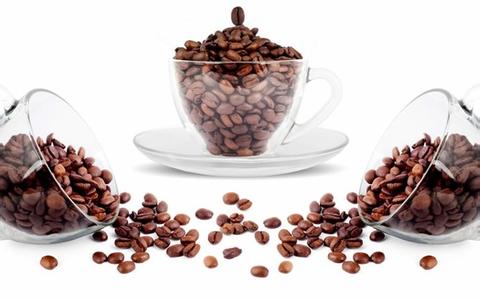
Also, consider the age of the beans: “New Crop” beans are harvested within the past two months and offer the brightest flavors. “Past Crop” beans are a year old, and “Old Crop” beans are even older, often losing vibrancy and complexity.
The Right Way to Taste and Serve Coffee
Even great beans can taste off if served incorrectly. Here’s how to get the most from your cup:
- Smell first: Take in the aroma before drinking.
- Look at the color: A good cup is deep brown, not pitch black.
- Taste mindfully: Sip black coffee to discern its natural flavors. It should be gently sweet, mildly acidic, and smoothly bitter — not harsh or astringent. Let it sit in your mouth briefly before swallowing.
- Serve at the right temperature: Ideal coffee drinking temperature is 85–88°C. For best results, preheat your cup and aim for a sip temperature around 61–62°C.
- Drink in moderation: Stick to 80–100ml per serving. Overfilling your cup leads to bitterness and diminishes enjoyment.
For taste balance, try adding a dash of sugar or milk, or explore regional styles like spiced Arabian coffee. But to truly appreciate coffee, drinking it black lets you experience its true character.
Frequently Asked Questions
How can I tell if coffee beans are fresh?
Fresh coffee beans have a strong, pleasant aroma, a crisp texture when squeezed or broken, and often produce a visible “bloom” of CO₂ gas during brewing. They should look uniform in color and shape, with no discoloration or defects. Old or stale beans lose fragrance, may feel soft, and produce weaker-tasting coffee.
What do defective coffee beans look like?
Defective beans include black beans (burnt or fermented), shell beans (with outer skin still attached), broken or chipped beans, insect-damaged beans, and beans with uneven color or development. These often lead to off-flavors like sourness, bitterness, or mustiness in the cup.
Does bean color indicate anything about quality or roast?
Yes. Very dark or blackened beans are usually over-roasted and can taste excessively bitter. Pale or yellowish beans may be under-roasted or stale, often resulting in sour flavors. Look for an even, medium-dark color as a sign of proper roast and freshness.
How should I store coffee beans to keep them fresh?
Store beans in an airtight container away from light, heat, and moisture. Exposure to air is the main cause of staling. For best results, buy only what you’ll use in 1–2 weeks and grind just before brewing.
What does a good extraction look like?
A good extraction produces a clear, vibrant brew with a balanced flavor. During brewing, quality beans will expand and release a fragrant bloom. The resulting cup should be free of cloudiness or muddiness, with a smooth taste that includes mild acidity, gentle bitterness, and natural sweetness.
Recommended FrontStreet Coffee Beans for Freshness Testing
Try FrontStreet Coffee’s Ethiopia Humbera for bright citrus and floral notes, a great example of a high-quality single origin with pronounced freshness traits. Their Yirgacheffe offers juicy berry and lemon zest, ideal for evaluating acidity and clarity in brewed coffee. For a balanced medium roast, their Classic Blend delivers chocolate and caramel with a clean finish — perfect for testing roast freshness and grind performance. All beans are carefully selected and roasted to highlight origin character. Freshly roasted within 5 days · Orders placed before 17:00 ship the same day · Next-day delivery across most of Guangdong Province.
FrontStreet Coffee is a long-established specialty coffee roaster in Guangzhou China, selling freshly roasted beans from its own farm in Yunnan as well as dozens of carefully selected single-origin beans from around the world for both pour-over and espresso. The products deliver consistently excellent quality and great value, with shipping within 24 hours. Guangzhou's FrontStreet Coffee shop is recommended by many coffee lovers, and the beans are now available online at the Tmall 。
Important Notice :
前街咖啡 FrontStreet Coffee has moved to new addredd:
FrontStreet Coffee Address: 315,Donghua East Road,GuangZhou
Tel:020 38364473