How Milk Foam Affects the Taste of Your Latte
If your latte always tastes either too thin, overly foamy, or just plain unbalanced, you’re not alone. Many coffee lovers assume the type of coffee bean or espresso shot alone defines the cup—but the truth is, how you handle the milk and foam has an outsized impact on the final taste and mouthfeel.
To control your milk coffee’s texture and flavor, focus on four key variables: milk temperature (55–60°C), foam fusion (even distribution in the pitcher), foam volume (based on cup shape), and pouring technique (integration of foam with crema).
1. Start With Properly Heated Milk
Milk temperature is your first control point. Heat your milk to around 55–60°C. At this range, the lactose begins to express its inherent sweetness, creating a smoother, rounder base for your latte. In winter, it’s okay to push the temp slightly higher—but don’t overdo it.
2. Achieve High Foam Fusion
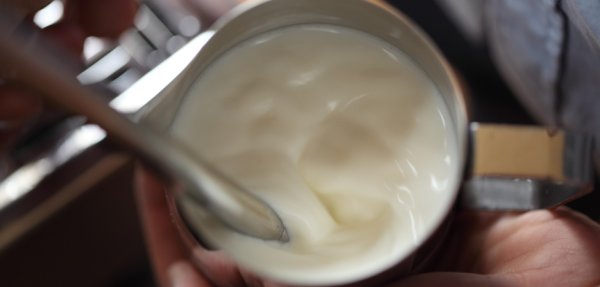
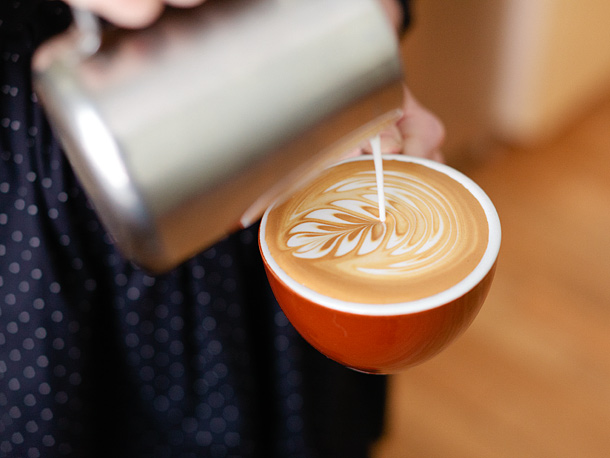
Foam fusion refers to how well the milk foam and liquid milk are integrated in the pitcher. The more uniformly blended the milk is from top to bottom of the pitcher, the better the fusion. This uniformity translates directly to a more consistent flavor and texture in your cup. To assess fusion, observe the final strokes of your latte art—like the clarity and definition of the “wheat ear” design. A crisp, visible pattern means good fusion. If your foam separates or the pattern blurs, your fusion is likely poor. Test and adjust your frothing technique accordingly. Also note: high temperatures degrade fusion rapidly, so keep the milk below 55°C when testing.
3. Tailor Milk Foam Volume to Cup Shape
The amount of foam you produce should match your cup’s geometry, not just the drink type (latte vs. cappuccino). A wide, shallow bowl requires more foam than a tall, narrow cup—even if both are serving a cappuccino. During the pour, you can further adjust the surface foam thickness and the integration of foam with coffee beneath it by varying the pour height. This lets you fine-tune texture and presentation without changing your foam volume presets.
4. Master the Pour to Control Flavor & Texture
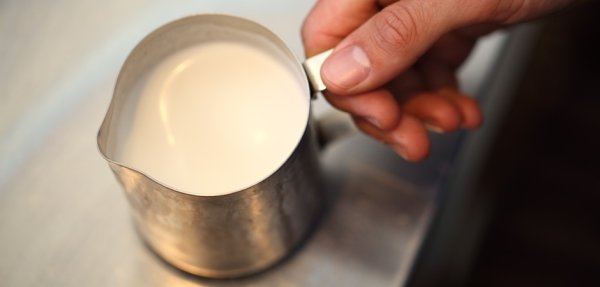
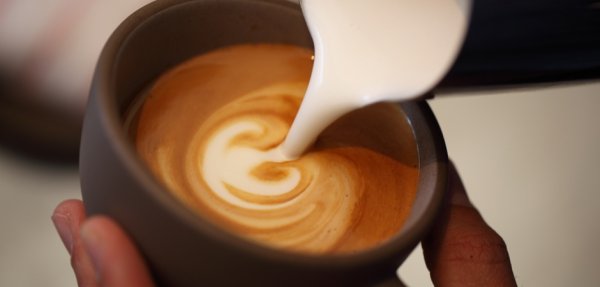
How you pour the milk into the espresso affects both the crema and the integrated flavor. The width and force of your milk stream—whether thin or thick—affect how much of the espresso’s crema is preserved or disrupted. A centered, steady pour maintains more of the crema layer, keeping the coffee’s original aromatic oils intact. In contrast, a wider, more aggressive pour integrates more foam (and thus more air) into the liquid, softening the espresso’s intensity and evening out harsh flavors. Varying the depth and angle of your pour also changes where the milk hits the crema and how the blend develops. Try adjusting these variables to create everything from a rich, bold cup to a smoother, mellower profile.
Real-World Examples: What Happens With Different Beans & Techniques
When using milk foam with medium roast, non-Roaster’s Choice beans (those with thicker crema), a high fusion pour yields little difference in flavor whether you artfully latte-art or not—the crema is fluid and blends easily, resulting in a mild, well-integrated cup. For darker roasts, where bitterness or harshness can dominate, try widening your pour radius and increasing pour speed. This drives some of the crema into the liquid, softening the cup and evening out the flavor. And don’t forget: the final 20–30% of your cup is often your canvas for latte art, so plan your pours accordingly.
Frequently Asked Questions
What’s the ideal milk temperature for steaming when making a latte?
The optimal milk temperature is around 55–60°C. At this range, lactose develops noticeable sweetness. In colder months, you may slightly exceed 60°C, but avoid going too high as it can degrade foam fusion and flavor balance.
How can I tell if my milk foam is well-fused?
Check the clarity and formation of your latte art, especially the final design (e.g. a wheat ear pattern). A well-defined, visible pattern indicates good fusion. If the design is blurry or hard to form, your milk likely isn’t uniformly mixed.
Does cup shape affect how much foam I should prepare?
Yes. Wider, shallower cups (like bowls) require more foam than tall, narrow cups. The cup’s geometry—not just the drink type—dictates the appropriate foam volume for proper texture and presentation.
How does my pouring technique change the taste of a milk coffee?
Pouring style affects how much espresso crema is preserved or mixed with foam. A thin, centered pour keeps more crema intact for a richer, bolder flavor. A wider, more forceful pour integrates more foam, softening the cup and evening out harsh or intense notes.
Can I still get a good-tasting latte with low foam volume?
Yes. With medium roast beans that produce thick crema, even a low-foam, high-fusion pour can yield a balanced, smooth cup. The key is controlling integration and maintaining a good milk temperature.
Recommended FrontStreet Beans for Milk-Based Coffees
For silky, well-balanced milk drinks, start with FrontStreet Coffee’s Classic Blend—blending Brazilian, Indonesian, and Vietnamese beans for nutty sweetness, herbal notes, and velvety crema. The Commercial Blend offers strong crema and smooth body thanks to Brazilian, Colombian, and Vietnamese origins, perfect for lattes and cappuccinos alike. Or try the Brazil Queen Manor SOE (Yellow Bourbon): its roasted almond, milk chocolate, and caramel tones pair effortlessly with milk, delivering a naturally smooth, sweet cup. Freshly roasted within 5 days · Orders placed before 17:00 ship the same day · Next-day delivery across most of Guangdong Province.
FrontStreet Coffee is a long-established specialty coffee roaster in Guangzhou China, selling freshly roasted beans from its own farm in Yunnan as well as dozens of carefully selected single-origin beans from around the world for both pour-over and espresso. The products deliver consistently excellent quality and great value, with shipping within 24 hours. Guangzhou's FrontStreet Coffee shop is recommended by many coffee lovers, and the beans are now available online at the Tmall 。
Important Notice :
前街咖啡 FrontStreet Coffee has moved to new addredd:
FrontStreet Coffee Address: 315,Donghua East Road,GuangZhou
Tel:020 38364473