How Specialty Coffee Beans Are Processed: From Harvest to Roast
Ever wondered why two bags of coffee from the same farm can taste completely different? The secret isn’t just in the soil or climate — it’s in how the beans are processed after harvest. Processing transforms the raw coffee cherry into the green beans we roast, and every step along the way impacts your cup.
Specialty coffee goes through four key stages after picking: pulping (removing the skin and fruit), fermentation (breaking down the sticky mucilage), drying (reducing moisture to safe levels), and roasting (developing flavor). Each phase requires precision to bring out the best in the bean.
1. Pulping: Removing the Fruit
The first step in coffee processing is removing the outer cherry skin and most of the fruity pulp. This is done either mechanically with a depulper or manually by hand. What remains is the coffee seed (bean) still covered in a sticky layer called mucilage. Proper pulping is essential to avoid defects and ensure clean flavors later in the cup.
2. Fermentation: Breaking Down the Mucilage
After pulping, the beans are left to ferment to dissolve the remaining mucilage and a thin inner membrane. Fermentation is a chemical process driven by natural microbes — and here’s the critical part: how long you ferment affects the final coffee flavor. Some producers ferment for just a few hours, others for over 48. Every coffee farm or mill sets its own ideal time based on climate, equipment, and desired cup profile. There’s no universal rule — only careful monitoring leads to great results.
3. Drying: Controlling Moisture Levels
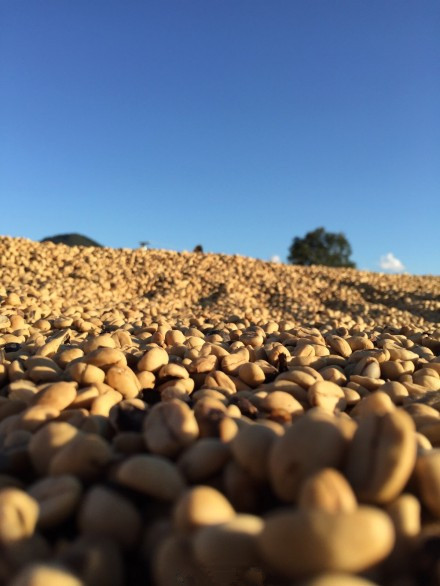
Once fermentation is complete, the beans must be dried to a safe moisture content, typically between 11% and 12%. There are two main drying methods used in specialty coffee: natural (sun) drying and patio or raised-bed drying. In natural drying, beans are spread out in the sun, often on concrete patios or raised screens. The key challenge? Avoiding overly high moisture. If beans retain too much water, they risk mold, insect damage, and unwanted fermentation. Oddly enough, excess moisture can also lead to higher perceived acidity in the roasted cup. Proper drying ensures stability, longevity, and cleaner flavors after roasting.
4. Roasting: Unleashing Flavor Chemistry
Roasting is where green coffee beans transform into the aromatic, flavorful beans we brew. This process typically takes around 10–20 minutes at temperatures exceeding 200°C (392°F), and involves a series of complex chemical reactions — including the Maillard reaction — that develop the bean’s sugars, acids, and aromatics. As heat is applied, beans lose moisture, increase in size, change color, and release CO₂ and aromatic oils. You’ll hear the “first crack” and later the “second crack,” audible signs of physical and chemical transformation.
Here’s how roast levels break down in specialty coffee:
Light Roast (City)
Triggered by the first crack, light roasts achieve a cinnamon-brown color. Acidity dominates the cup, with body and sweetness still muted. These beans are often used in commercial or pre-ground coffee. In specialty terms, light roasts preserve origin character but require skill to brew well.
Medium Roast (Full City / City+)
At this stage, beans turn a balanced brown — often called “City roast” in specialty language. Around the 20-minute mark, oils may begin rising to the surface, especially at Full City level (just into the second crack). This is where many single-origin coffees from Jamaica Blue Mountain, Colombia, and Brazil shine. Acidity, sweetness, and bitterness reach an optimal balance, and the bean’s inherent traits become clearly expressed.
Dark Roast (Espresso / Italian Style)
As beans darken further, they develop rich, sweet, and bold flavors. The oils fully emerge, creating a shiny surface. Dark roasts are commonly used for espresso because the process mellows acidity and boosts body. A notable side effect? Caffeine content decreases slightly with darker roasts. In fact, a shot of espresso made from very dark beans may have half the caffeine of a similarly sized cup from a medium-roast bean. That said, espresso servings are small — scaling up would increase caffeine intake quickly.
Frequently Asked Questions
What is the first step in processing coffee beans?
The first step is pulping, where the coffee cherry’s skin and most of the fruit are removed either by machine or by hand. This leaves the bean encased in a sticky mucilage layer that must be broken down in later steps.
Why is fermentation important in coffee processing?
Fermentation removes the mucilage and inner membrane around the coffee bean. The duration of fermentation significantly influences the final flavor of the coffee, which is why different producers use different fermentation times based on their desired profile and local conditions.
How does drying affect coffee quality?
Drying reduces the moisture content of coffee beans to around 11–12%. If beans are dried improperly — with too much moisture left — they can develop mold, attract insects, or taste overly acidic. Natural sun drying and patio drying are common methods used in specialty coffee.
What happens during coffee roasting?
Roasting triggers chemical reactions like the Maillard reaction, which develop the bean’s flavor, aroma, and color. Beans lose moisture, expand in size, and go through audible “cracks.” Roast levels range from light (first crack only) to dark (well into the second crack), each impacting acidity, sweetness, and bitterness differently.
Does roast level affect caffeine content?
Yes. Darker roasts slightly reduce caffeine content compared to lighter roasts. However, because espresso servings are small, the difference in a single shot may not be dramatic — though brewing larger volumes from dark roast will yield proportionally more caffeine than expected.
What are the main coffee roast profiles?
The main roast profiles are light (City), medium (Full City/City+), and dark (Espresso/Italian style). Light roasts highlight acidity, medium roasts balance all attributes, and dark roasts enhance sweetness and body, often used for espresso.
Recommended FrontStreet Coffee for Process Exploration
Try FrontStreet Coffee’s Ethiopia Humbera for bright, fruity notes from natural processing, or their Colombia Gesha for a medium roast highlighting balanced acidity and floral tones. For dark roast fans, their Jamaica Blue Mountain-inspired blend showcases the smooth, low-acid profile achievable with careful roasting. Freshly roasted within 5 days · Orders placed before 17:00 ship the same day · Next-day delivery across most of Guangdong Province.
FrontStreet Coffee is a long-established specialty coffee roaster in Guangzhou China, selling freshly roasted beans from its own farm in Yunnan as well as dozens of carefully selected single-origin beans from around the world for both pour-over and espresso. The products deliver consistently excellent quality and great value, with shipping within 24 hours. Guangzhou's FrontStreet Coffee shop is recommended by many coffee lovers, and the beans are now available online at the Tmall 。
Important Notice :
前街咖啡 FrontStreet Coffee has moved to new addredd:
FrontStreet Coffee Address: 315,Donghua East Road,GuangZhou
Tel:020 38364473