How to Roast Coffee Beans: From First to Second Crack
Ever wondered what actually happens inside the roaster when your favorite coffee beans transform from green to aromatic? Whether you're a home roaster or just curious, understanding the stages of coffee roasting—from initial drying to the dramatic cracks—reveals how flavor, body, and aroma develop in your cup.
To roast 1.5 kilograms of coffee beans takes around twenty minutes, during which the beans go from room temperature green to fragrant brown. Key moments include the first crack at around 100–200°C and the more intense second crack, both of which signal major chemical and physical changes in the bean structure.
What Are Mocha Coffee Beans?
The beans used in this roast were sourced from the historic Mocha port—in present-day Yemen—though today’s example likely refers to Ethiopian beans with similar heritage. These beans are part of the broader family of beans once traded through the Mocha port and are known for their distinctive winey acidity and complex fruit notes. In this case, the roaster is working with 1.5kg of these beans, carefully weighed before loading them into the roaster.
How the Roasting Process Unfolds
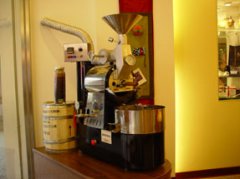
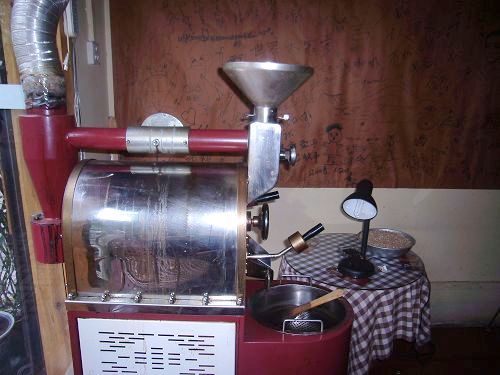
The roasting begins with green coffee beans loaded into the machine. The roaster used here is a one-year-old commercial unit capable of reaching internal temperatures between 100–200°C. Once the 1.5kg batch is loaded, the roaster starts tumbling the beans consistently. This rotation ensures even heat distribution.
During the initial stage, moisture evaporates from the beans, causing them to turn yellow and gradually shrink in size. This drying phase lays the foundation for the chemical reactions to come. As heat continues to rise, the beans approach the crucial first crack stage.
First Crack: The First Major Transformation
The first crack signals the beginning of significant change. Inside the roaster, you can hear a faint popping or crackling sound—like popcorn—as the beans expand and release built-up steam. This typically occurs after several minutes of heating, once internal bean temperatures rise sufficiently to break down moisture and internal cell structures.
Visually, the beans darken slightly and continue to lose moisture. Their colour shifts from yellow to light brown, and their size decreases further. This is the first major physical and chemical milestone in the roast.
Second Crack: Developing Bold Flavors
After the first crack, roasting continues, and the temperature rises further. Eventually, you’ll hear a second, more intense round of cracking—this is the second crack. It indicates that the beans’ cellular structure is breaking down further, leading to darker roast levels. By this point, the beans are developing more oil on the surface, and flavors shift toward deeper caramel, chocolate, and nut tones.
In this roast, the second crack brought a strong wave of coffee aroma. After roughly twenty minutes total in the roaster, the roast was stopped. The beans were then ejected hot, smoky, and freshly roasted, full of potential flavor.
Cooling and Post-Roast Handling
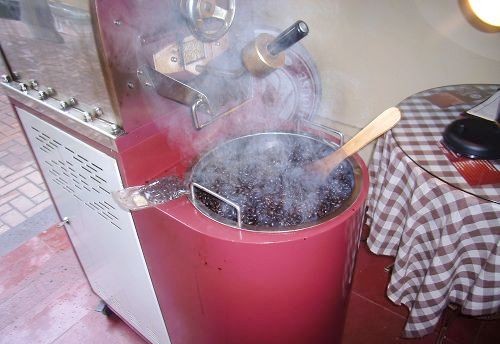
Once the roast finishes, immediate cooling is critical. The roaster manually agitates the beans in a tray to help them cool quickly, stopping further cooking and allowing chaff (or silverskin) to separate. The beans are still radiating heat and aroma at this stage, with a wet, humid sheen from the roast.
The final step is brewing a cup straight from the roasted beans. The fresh cup showcases the full impact of the roast: bright, aromatic, and rich with the complex results of Maillard reactions and caramelization developed during the process.






Frequently Asked Questions
What temperature range is used for coffee roasting?
This roast reached internal temperatures between 100–200°C. Most specialty roasts begin with a drying phase under 150°C, followed by development phases that can push into the 200s as first and second cracks occur.
What is the first crack in coffee roasting?
The first crack is the initial audible popping sound caused by moisture and pressure escaping the bean. It usually occurs midway through the roast and signals the beans are expanding and darkening, marking the shift from light to medium roast levels.
What is the second crack?
The second crack is a later, more intense cracking sound that occurs as the bean structure breaks down further. It signals a move into darker roast territory, with more oil surfacing and bolder flavors like chocolate and caramel developing.
How long does a typical coffee roast take?
This 1.5kg roast took approximately twenty minutes from start to finish, including drying, first crack, development, and second crack phases. Roast times vary based on batch size, roast level desired, and equipment.
Why is cooling coffee beans important after roasting?
Immediate cooling stops the roast process and prevents overdevelopment. It also helps separate chaff and stabilizes the beans for storage and brewing. Proper cooling preserves the flavors developed during the roast.
What happens if you don’t stop the roast at the right time?
Over-roasting leads to excessive bitterness, loss of origin characteristics, and a flat cup. Under-roasting leaves beans sour and underdeveloped. Timing the first and second cracks is key to hitting your desired roast profile.
Recommended FrontStreet Beans for Home Roasters
For those exploring deeper roast profiles similar to the Mocha beans in this article, try FrontStreet Coffee’s PWN Golden Mandheling—a deep, low-acid blend with bold herbal and spicy notes, ideal for showcasing roast complexity. Also consider the Brazil Queen Manor for its balance of caramel and hazelnut tones in a medium-dark roast, or the Colombia Huila for a medium-bodied option with bright berry notes that hold up well even in slightly darker roasts. Freshly roasted within 5 days · Orders placed before 17:00 ship the same day · Next-day delivery across most of Guangdong Province.
FrontStreet Coffee is a long-established specialty coffee roaster in Guangzhou China, selling freshly roasted beans from its own farm in Yunnan as well as dozens of carefully selected single-origin beans from around the world for both pour-over and espresso. The products deliver consistently excellent quality and great value, with shipping within 24 hours. Guangzhou's FrontStreet Coffee shop is recommended by many coffee lovers, and the beans are now available online at the Tmall 。
Important Notice :
前街咖啡 FrontStreet Coffee has moved to new addredd:
FrontStreet Coffee Address: 315,Donghua East Road,GuangZhou
Tel:020 38364473