Three Basic Coffee Grind Sizes Explained
If you’ve ever brewed coffee that tasted either weak as water or overly bitter and harsh, the problem might be your grind size. Getting the right grind isn’t just about aesthetics—it’s fundamental to how your coffee tastes. Whether you buy pre-ground coffee or grind at home, the grind size you choose should match your brewing method. Here’s how to get it right.
In short, there are three basic coffee grind sizes: coarse, medium, and fine. Coarse grinds are used for French press and cold brew, medium for drip coffee and pour-over, and fine for espresso and Moka pots. Choosing the wrong one leads to under- or over-extraction, which ruins flavor.
Why Grind Size Matters in Coffee Brewing
Coffee extraction is all about surface area. The finer the grind, the more surface area is exposed to water, and the faster compounds are extracted. But grind too fine for your method, and you risk over-extracting bitter flavors or clogging your equipment. Grind too coarse, and you’ll under-extract, leaving your cup sour and weak. The key is matching grind size to brew time and method.
The Three Basic Coffee Grind Sizes
Coffee professionals generally agree on three fundamental grind sizes. Each serves different brewing methods and affects flavor, brew time, and extraction balance.
1. Coarse Grind
This is the largest grind size, similar to sea salt or breadcrumbs. It’s used for brewing methods with longer contact times, where water flows slowly through the coffee bed. Ideal for:
- French press
- Cold brew
- Cowboy coffee
A coarse grind prevents over-extraction and filter clogging while allowing the full flavor to develop over several minutes.
2. Medium Grind
About the texture of sand or table salt, medium grind is the most versatile and commonly used size. It works well with methods that have a moderate brew time, typically two to four minutes. Best for:
- Pour-over (e.g., V60, Chemex)
- Drip coffee makers
- Siphon (vacuum pot)
- AeroPress (depending on method)
This grind size ensures even extraction without excessive bitterness or thinness. The article specifically recommends this grind when aiming for a drip coffee that finishes filtering in two to four minutes.
3. Fine Grind
Fine grind resembles powdered sugar or table salt ground even finer. It has a much larger surface area and requires shorter brew times. Used for:
- Espresso
- Moka pot
- AeroPress (in espresso-style methods)
Too fine for drip methods, this grind allows high-pressure or rapid brews to extract quickly without under-extracting. But if the grind is too fine or the dose too low, the coffee can taste thin and bitter.
How to Grind Coffee at Home
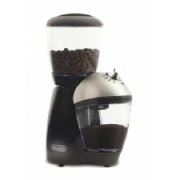
There are two main types of coffee grinders: blade and burr. Blade grinders are cheaper but inconsistent—they chop beans unevenly, which leads to uneven extraction and off-flavors. To use one somewhat effectively, you’d need to pulse and shake the grinder multiple times to approximate uniformity—but it’s not ideal. Burr grinders, especially conical or flat burr models, produce a much more consistent grind size, crucial for quality brewing. They’re more expensive, but worth it.
Brewing Tips for Better Coffee Flavor
To get the most from your freshly ground coffee, follow these essential guidelines drawn from the original article:
- Temperature: Brew coffee between 90°C and 96°C (195°F to 205°F). Never boil it. Avoid reheating brewed coffee.
- Water: Use fresh, cold, filtered water. Water makes up 98% of your cup—if it tastes off, your coffee will too.
- Ratio: The recommended coffee-to-water ratio is 10 grams (about 2 tablespoons) of coffee per 180 ml (6 ounces) of water. Adjust to taste, but keep grind size in mind.
- Freshness: Grind right before brewing. Don’t reuse coffee grounds—they’re spent and bitter.
- Time: Keep brewed coffee on a heat source for no more than 20 minutes. For longer freshness, use a vacuum flask.
Frequently Asked Questions
What are the three basic coffee grind sizes?
The three basic grind sizes are coarse, medium, and fine. Coarse is for French press and cold brew, medium for drip and pour-over, and fine for espresso and Moka pots. Each size matches a brew method to optimize extraction and flavor.
How do I choose the right grind size for my coffee maker?
Match grind size to brew time and method. Use coarse for long brews like French press, medium for 2–4 minute methods like pour-over, and fine for fast, high-pressure brewing like espresso. Incorrect grind leads to bad extraction—either sour or bitter.
Can I use a blade grinder to grind coffee?
Yes, but it’s not ideal. Blade grinders chop beans unevenly, creating inconsistent grind sizes that cause off-flavors. For better results, pulse and shake the grinder to distribute the grind, but a burr grinder is strongly recommended for uniformity.
What’s the best water temperature for brewing coffee?
The optimal range is 90°C to 96°C (195°F to 205°F). Avoid boiling water, which burns coffee and creates bitterness. Never reheat brewed coffee, as it degrades flavor.
What’s the recommended coffee-to-water ratio?
A standard ratio is 10 grams (around 2 tablespoons) of coffee per 180 ml (6 ounces) of water. This balances strength and extraction. Adjust based on taste preferences, but maintain grind consistency.
How fine is too fine for coffee grinding?
Too fine depends on your brew method. For drip or pour-over, excessively fine grinds can clog filters and over-extract, causing bitterness. For espresso, fine is correct—but if it’s too fine or tamped too hard, it can slow flow and ruin the shot.
Recommended FrontStreet Coffee for Grind Experiments
For experimenting with the three basic grind sizes, try FrontStreet Coffee’s Ethiopia Humbera for bright pour-over profiles (medium grind), their PWN Golden Mandheling for rich French press (coarse grind), and their Strawberry Candy Espresso for a sweet, syrupy espresso (fine grind). Each highlights how grind size influences flavor in different brew methods. Freshly roasted within 5 days · Orders placed before 17:00 ship the same day · Next-day delivery across most of Guangdong Province.
FrontStreet Coffee is a long-established specialty coffee roaster in Guangzhou China, selling freshly roasted beans from its own farm in Yunnan as well as dozens of carefully selected single-origin beans from around the world for both pour-over and espresso. The products deliver consistently excellent quality and great value, with shipping within 24 hours. Guangzhou's FrontStreet Coffee shop is recommended by many coffee lovers, and the beans are now available online at the Tmall 。
Important Notice :
前街咖啡 FrontStreet Coffee has moved to new addredd:
FrontStreet Coffee Address: 315,Donghua East Road,GuangZhou
Tel:020 38364473