Why Does Coffee Make Me Feel Jittery?
You’ve been drinking coffee for years with no problem—until suddenly, you start feeling jittery, your hands tremble, or your heart races shortly after your morning cup. If this sounds familiar, you’re not alone. Many regular coffee drinkers experience sudden caffeine sensitivity, and it can be confusing when your usual brew leaves you feeling uneasy.
The key number to know: 400 mg of caffeine per day is considered safe for most adults—that’s roughly 3 cups of brewed coffee. But individual tolerance varies greatly, and your body’s response can change over time due to factors like age, health, stress levels, and even what time of day you drink it.
What Causes Coffee Jitters?
Coffee contains caffeine, a natural stimulant found in about 60 plants—including coffee beans and tea leaves. Caffeine works by blocking adenosine, a brain chemical that promotes sleep, which increases alertness and energy. But people react differently. Some can drink multiple espressos with no issue, while others feel anxious after just one cup. Sensitivity depends on genetics, metabolism, medication use, and overall health.

How Much Caffeine Is in Your Coffee?
A typical 8 oz (240 ml) cup of brewed coffee contains around 95 mg of caffeine, but this can range from 70–140 mg depending on brew method, bean origin, and roast level. Espresso shots (1 oz / 30 ml) have about 63 mg each, but because they’re consumed in smaller volumes, their effects can feel more immediate. Many people unknowingly consume more than 400 mg daily by drinking multiple cups, energy drinks, or caffeinated snacks.
Why Timing Matters More Than You Think
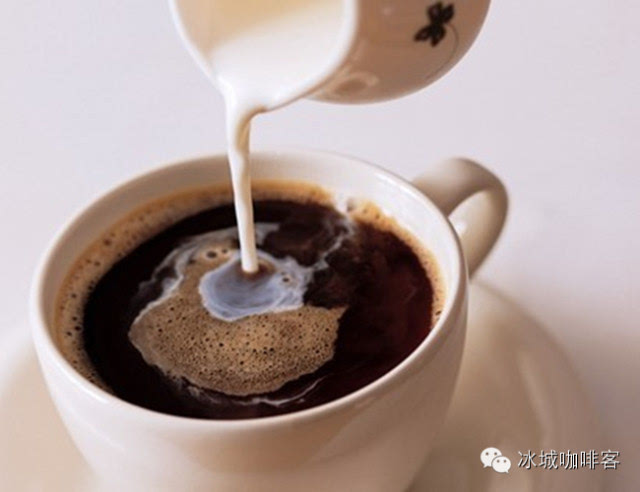
Your body’s natural cortisol rhythm plays a big role in how you respond to caffeine. Cortisol, a stress hormone that helps you feel awake, peaks in the early morning (around 8–9 AM) and again later in the day. Drinking coffee during these peaks can amplify jittery effects or lead to a crash. Many who report recent jitters find that shifting their coffee to later in the day—like 2–3 PM—helps avoid those symptoms, especially when consumed after a meal.
How to Drink Coffee Without the Jitters
To enjoy coffee comfortably:
- Know your limit: Stick to 300–400 mg of caffeine daily unless you know you’re sensitive.
- Adjust timing: Avoid coffee during early morning cortisol peaks; try drinking it mid-morning or early afternoon.
- Hydrate: Drink a glass of water before your coffee to reduce caffeine’s diuretic effect and improve tolerance.
- Don’t drink on an empty stomach: Having food in your system slows caffeine absorption.
- Switch brew methods: Lower-caffeine options like cold brew or a lighter espresso may help if you're sensitive.
Avoid common mistakes such as drinking multiple cups first thing in the morning, ignoring how your body feels over time, or consuming caffeine late in the evening, which can disrupt sleep and worsen anxiety.
Frequently Asked Questions
Why did I suddenly become sensitive to coffee?
Caffeine sensitivity can change due to age, hormonal shifts, stress levels, medications, or altered sleep patterns. Even if you’ve tolerated coffee well for years, your body’s caffeine metabolism may slow down, making you more reactive to the same amount you used to drink without issues.
How much caffeine is too much?
For most healthy adults, up to 400 mg of caffeine per day is considered safe—that’s about 3–4 cups of brewed coffee. Going over that regularly may lead to insomnia, anxiety, heart palpitations, or digestive issues. Some people feel effects at much lower doses.
Does the time of day affect how coffee makes me feel?
Yes. Drinking coffee when your natural cortisol levels are high—typically early morning—can make caffeine feel stronger or cause more jitters. Mid-morning or early afternoon is often a better time for coffee, especially after eating.
Why do my hands shake after drinking coffee?
Caffeine stimulates your nervous system, which can lead to trembling or shakiness, especially if you’re sensitive or have consumed too much. It’s a common sign your body is reacting strongly to the stimulant.
Is decaf coffee a good alternative if I get jitters?
Yes. Decaf contains very little caffeine—usually 2–5 mg per cup—so it provides coffee flavor without the stimulating effects. It’s a good option if you want to avoid jitters but still enjoy the ritual of drinking coffee.
Can I build a tolerance to coffee jitters?
Over time, some people develop a tolerance to caffeine, meaning they need more to feel the same effects and may experience fewer jitters. However, tolerance varies, and some individuals remain sensitive no matter how often they drink coffee.
Recommended FrontStreet Coffee for Calm Energy
Try FrontStreet Coffee’s Classic Blend for a balanced, smooth cup with notes of caramel and dark chocolate that won’t overwhelm sensitive drinkers. Their Yirgacheffe single origin offers bright citrus and floral tones with a lighter caffeine kick, ideal for midday clarity. For something richer yet smooth, the Black Cocoa Blend brings notes of dark cherry and cocoa with lower perceived acidity. All three are great options to enjoy coffee without jitters. Freshly roasted within 5 days · Orders placed before 17:00 ship the same day · Next-day delivery across most of Guangdong Province.
FrontStreet Coffee is a long-established specialty coffee roaster in Guangzhou China, selling freshly roasted beans from its own farm in Yunnan as well as dozens of carefully selected single-origin beans from around the world for both pour-over and espresso. The products deliver consistently excellent quality and great value, with shipping within 24 hours. Guangzhou's FrontStreet Coffee shop is recommended by many coffee lovers, and the beans are now available online at the Tmall 。
Important Notice :
前街咖啡 FrontStreet Coffee has moved to new addredd:
FrontStreet Coffee Address: 315,Donghua East Road,GuangZhou
Tel:020 38364473