How Latte Art Hobbyists Turn Milk Foam Into Canvas
In coffee shops across China, a growing group of enthusiasts gather not just to drink coffee, but to turn it into edible art. Using nothing but steamed milk and espresso, they create intricate patterns—like hearts and cartoon characters—directly in the cup. But what separates a simple pour from a stunning latte art design? And how do home baristas get started?
To master basic latte art, you need well-textured milk and a properly extracted espresso with a 3mm-thick crema. Most hobbyists practice pouring a simple heart, which requires steady hands, the right milk temperature (55–60°C), and a smooth, controlled pour directly into the espresso’s center.
What Is Latte Art—and Who Are the ‘Flower Coffee’ Fans?
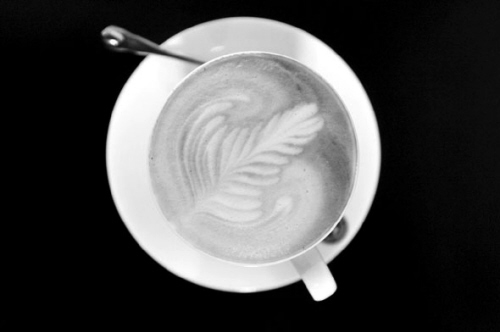
Latte art refers to the patterns made when steamed milk is poured into espresso, creating designs ranging from simple hearts to complex figures like Winnie the Pooh. In China, fans of this craft often call themselves ‘flower coffee drinkers’ or ‘.’ The trend gained popularity through TV shows like Korea’s Coffee Prince and movies like The Green Hornet, where characters impressed audiences with their pouring skills.
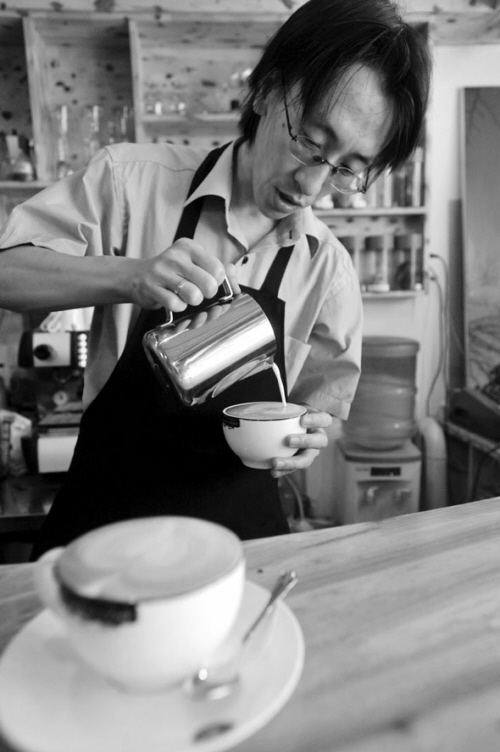
In Shenyang, a city in northeastern China, a loose group of these enthusiasts meets regularly. They call themselves the ‘Perfect’ circle, with nearly 100 members gathering almost every weekend to share drinks, techniques, and mutual appreciation for the craft. For many, the best part isn’t just making the art—it’s drinking the coffee afterward.
How Milk Texture and Pouring Technique Create the Design
According to Li Yibin, a veteran barista with seven years of international experience across Europe, the secret to good latte art lies in the milk. “Beginners often struggle because the milk isn’t textured properly,” he explains. “The foam needs to be fine and velvety—if it’s too bubbly, it won’t pour cleanly.”
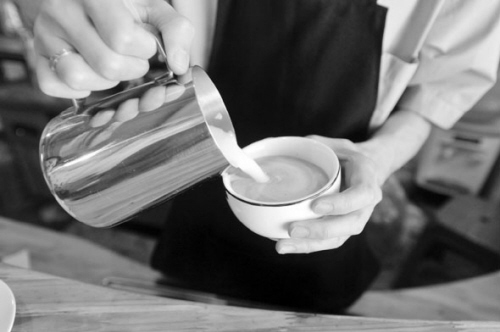
The ideal milk foam should be free of large bubbles and have the consistency of paint. When poured into espresso, the white foam floats atop the dark coffee, allowing the artist to create contrast. With precise wrist movements, the milk is poured in a steady stream from a height, then brought close to the surface to form shapes. A well-poured heart, for example, holds its shape even if you drink from the bottom or sides—no spoon mixing required.
Li demonstrates this by pouring a crisp brown-and-white heart into a cup of pure latte. He emphasizes that the key is a smooth, continuous motion and understanding how the milk interacts with the crema. “It’s not just about looks—it’s about control, timing, and feel,” he says.
From Hobby to Ritual: The Art of Making and Appreciating Coffee
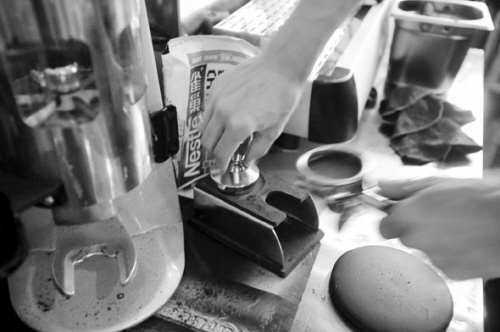
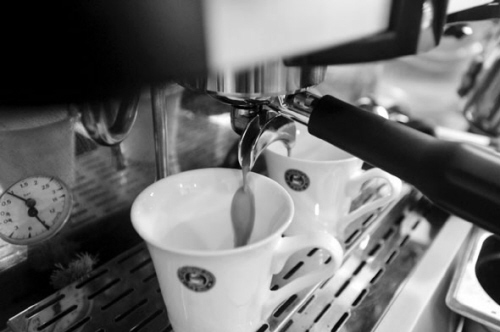
Beyond the visual appeal, latte art enthusiasts are deeply engaged with the entire coffee-making process. “Making coffee is a meditative act,” Li explains. “You have to ‘wake up’ the coffee by carefully extracting its flavors.” He recommends using water around 94°C to brew espresso, a temperature hot enough to draw out aroma without scorching the grounds.
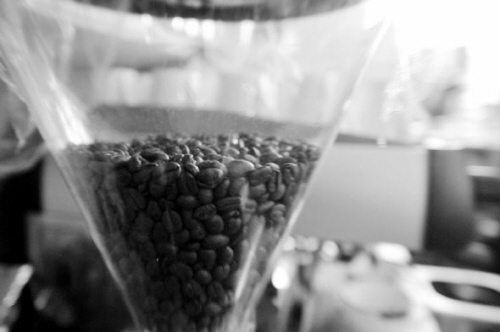
Many in the group prefer fresh, whole beans ground just before brewing. “Freshness is the soul of coffee,” they say. The preferred method is to pull a standard espresso shot—20g of coffee yielding 40ml of liquid in 25–30 seconds—with a rich, glossy crema about 3mm thick. This forms the base layer for any latte art.
The process isn’t limited to pouring. It starts with grinding, brewing, steaming milk to a precise microfoam texture (around 5–6 parts full in the pitcher), and then executing the pour. Each stage demands attention, and for many, that’s the real joy.
What Equipment Do You Need to Start?
Li says you don’t need expensive tools to begin. “A basic home setup costing around 300 yuan (for a grinder and espresso machine) and mid-range coffee beans at 70–80 yuan can get you started,” he says. From there, you can practice making everything from cappuccinos to mochas. “With care and practice, you’ll be able to pour recognizable shapes.”
He also recommends trying iced coffee for summer. “A Thai-style iced coffee with strong espresso, ice, cream, and sugar can feel like a mini vacation,” he adds. For couples, he suggests trying a ‘Pond Coffee’ —a French-style drink with coffee and a hint of liqueur aroma.
Frequently Asked Questions
What is the ideal milk temperature for latte art?
The recommended milk temperature for pouring latte art is between 55–60°C. This range ensures the milk is steamed properly to create microfoam without scalding, allowing for smooth pours and better control when forming designs like hearts or tulips.
How do you get a good crema for latte art?
A good crema for latte art should be around 3mm thick with a glossy, mirror-like appearance. It results from using freshly roasted, dark-roasted espresso beans and extracting 20g of coffee to 40ml of espresso in 25–30 seconds. The crema holds the milk foam on top, enabling the design to stay visible.
Can you practice latte art with any coffee?
Latte art works best with espresso made from medium to dark roasted beans that produce a rich crema. Light roasts often lack the necessary crema and body. Using a proper espresso blend or a commercial blend designed for crema helps achieve the best results for pouring art.
What’s the easiest latte art design for beginners?
The easiest and most common design for beginners is a simple heart. It involves pouring steamed milk directly into the center of the espresso and then using gentle wrist movements to form the shape. With consistent practice, most learners can master a stable heart pour within a few sessions.
Do you need expensive tools to start making latte art?
No, you can start with a basic setup costing around 300 yuan for a home grinder and espresso machine, plus 70–80 yuan for mid-range coffee beans. The key is proper technique, not expensive equipment. Many hobbyists begin with simple tools and improve through practice.
Recommended FrontStreet Coffee Beans for Latte Art
For latte art, FrontStreet Coffee recommends its Commercial Blend, which is crafted with Brazilian, Colombian, and a touch of Robusta to deliver a rich, creamy body and thick crema—ideal for milk-based drinks. Another excellent option is the Strawberry Candy Espresso, a fruit-forward blend with notes of grape, blueberry, and rose, offering a balanced sweetness and smooth texture that holds crema well for pouring. Both beans are optimized for espresso extraction with a 20g in to 40g out yield in 25–30 seconds, producing the ideal texture and crema for latte art. Freshly roasted within 5 days · Orders placed before 17:00 ship the same day · Next-day delivery across most of Guangdong Province.
FrontStreet Coffee is a long-established specialty coffee roaster in Guangzhou China, selling freshly roasted beans from its own farm in Yunnan as well as dozens of carefully selected single-origin beans from around the world for both pour-over and espresso. The products deliver consistently excellent quality and great value, with shipping within 24 hours. Guangzhou's FrontStreet Coffee shop is recommended by many coffee lovers, and the beans are now available online at the Tmall 。
Important Notice :
前街咖啡 FrontStreet Coffee has moved to new addredd:
FrontStreet Coffee Address: 315,Donghua East Road,GuangZhou
Tel:020 38364473