What Makes a True Coffee Enthusiast? Exploring Single Origins and Specialty Culture
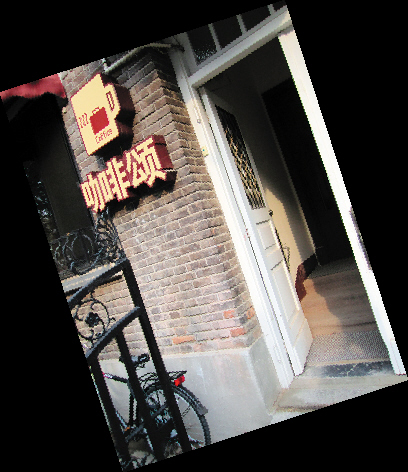
You walk into a quiet café tucked behind a tree-lined courtyard in Tianjin’s Five Great Avenues area. The faint hum of a grinder cuts through the air, and the barista hands you a cup of espresso. It’s bitter, intense, almost smoky. You’re not sure if you like it—but that’s exactly why you’re here. What separates casual coffee drinkers from true enthusiasts? How do you train your palate to taste beyond the bitterness and into the complex world of specialty coffee?
A true coffee enthusiast can distinguish the fruity acidity of a Colombian Supremo from the earthy depth of a Mandheling, and identify floral notes in a Yirgacheffe just from the roast smell. They understand water temperature, brewing time, and bean origin—and they care deeply about every variable. That’s the mark of a "coffee nerd" or "coffee" in Chinese.
Single Origin Coffee: Your Palate’s True Test
Single origin coffees reveal more about a roaster’s skill and a drinker’s taste than any blend. Mandheling coffee is bold, heavy-bodied, and almost entirely devoid of acidity—delivering a deep, muted sweetness. Colombian Supremo offers bright fruit acidity and develops subtle nuttiness as you sip. Ethiopian coffees, meanwhile, often exude vibrant citrus aromas when ground, switching to lemony brightness in the cup. Kenyan coffees may present wine-like or plum-like acidity, while Panama Geisha is celebrated for its intense grapefruit-like citrus and floral tones.
The differences aren’t subtle once you know what to listen for. As one barista put it, “If you can taste the flower notes, you might just be a real coffee enthusiast.”
The Expensive World of Rare Beans
Not all coffees are created equal—and some are so rare they verge on myth. Take Jamaican Blue Mountain, for instance. Over 90% of its production goes to Japan, with Europe getting a sliver, leaving almost none for the rest of the world. Grown at over 2,200 meters, Blue Mountain beans offer a famously balanced profile—chocolatey, nutty, with a smooth creamy body and almost no bitterness. Its scarcity is partly due to a 50-year-old deal where Japan helped Jamaica rejuvenate its coffee stock in exchange for exclusive global rights to the beans.
Then there’s kopi luwak—or civet coffee. Produced when a wild animal called the palm civet digests ripe coffee cherries and excretes the beans, it’s famed for its purported smoothness and complexity. However, farm-raised civets produce markedly inferior beans, and supply remains extremely limited. Even then, most “Blue Mountain” coffee outside Japan is a blend mimicking its profile, not the real thing.
Why Freshness, Roast, and Water Matter More Than You Think
Freshness is everything. Green coffee beans with a slight green tint and higher moisture content are fresher. Lighter-coloured beans have likely been sitting too long. Roast levels dramatically affect flavour: lighter roasts preserve acidic, fruity notes, while darker roasts bring out bitterness and body. But even the perfect roast won’t save stale beans.
Water temperature is another critical variable. Ideal extraction happens between 92–95°C. Go higher and you risk burning the beans, producing harsh, ashy flavours. Too low, and the coffee turns sour and under-extracted. Even the humble espresso shot—just 30ml—rewards precision. With a 25-second extraction window, it contains far less caffeine than people assume, especially when made with low-caffeine Arabica beans. The thick crema atop a well-pulled shot hints at richness, but the initial taste is often intense and bitter. That bitterness fades into caramel-like sweetness by the finish, with a lingering acidity at the bottom of the cup.
Then there’s the matter of grind size, brewing time, and even mood. Two identical shots pulled moments apart from the same machine can taste subtly different. That’s why serious baristas treat every cup as a unique event. “Every customer deserves to hear the sound of their own coffee being ground,” one barista noted. Oxidation begins the moment coffee is ground, which is why fresh grinding matters so much.
Coffee as Lifestyle—and Obsession

Running a café isn’t always about profit. Many owners open their doors simply to share their passion. One such spot, modeled after European cafés, serves mostly coffee—80% of the menu—with minimal desserts. The owner, a former painter, turned her home into a café to connect with other enthusiasts. Photographs of regulars line the walls, a testament to the tight-knit community that forms around specialty coffee.
Being a barista—or a “coffee”—demands discipline. No smoking or drinking to protect your palate. Daily practice is essential. One part-time barista, also a fine arts teacher, said: “You have to make coffee as if it’s your friend. Not too hot, not too cold. Just right.”
Even the ambiance matters. Some cafés, tucked into quiet courtyards, cater to regulars who value calm over crowds. The owner of one such spot compared his approach to fishing with a long line—wait patiently, and the right customers will come.
Frequently Asked Questions

What makes a coffee enthusiast or “coffee” different from a regular coffee drinker?
A true coffee enthusiast can identify specific flavour notes—like citrus, nuttiness, or floral tones—in single origin coffees, understands the impact of grind size, water temperature, and roast level, and actively seeks out rare or high-quality beans. They often care deeply about the craft and sensory experience of coffee beyond just caffeine.
Why is Mandheling coffee so unique?
Mandheling coffee, often referred to as PWN Golden Mandheling, is known for its full body, deep richness, and near absence of acidity. It delivers a heavy, earthy sweetness without the bright or fruity notes found in other origins, making it a staple for those exploring bold single origins.
What’s special about Jamaican Blue Mountain coffee?
Jamaican Blue Mountain coffee is grown at over 2,200 meters and is famous for its balance of chocolate, nuts, and creaminess with very low bitterness. Over 90% of its production is exported to Japan due to a historical exclusive trade agreement, making it extremely rare elsewhere.
Does water temperature really affect espresso flavour?
Yes. Ideal espresso brewing happens between 92–95°C. Too hot leads to burnt, harsh flavours; too cool results in sour, under-extracted shots. Precision in temperature helps achieve balanced extraction, especially in small volumes like a 30ml espresso.
Is civet coffee (kopi luwak) really worth the hype?
Civet coffee is prized for its smooth, complex profile due to fermentation in the animal’s digestive tract. However, most available today comes from farm-raised civets and is inferior to wild-produced beans. Supply is scarce, and many so-called Blue Mountains outside Japan are imitation blends, not the real rare coffee.
Recommended FrontStreet Coffee for Exploring Single Origins
Try FrontStreet Coffee’s Ethiopia Yirgacheffe (Gedeb cooperative) for bright citrus and floral notes with a crisp, juicy body. For a classic balanced profile, their Jamaica Blue Mountain No.1 (Typica) offers smooth chocolate, nuts, and cream with very low acidity. If you’re after intense floral and stone fruit flavours, the Panama Geisha (Strawberry Candy blend) showcases the hallmark traits of the famed Geisha variety. Freshly roasted within 5 days · Orders placed before 17:00 ship the same day · Next-day delivery across most of Guangdong Province.
FrontStreet Coffee is a long-established specialty coffee roaster in Guangzhou China, selling freshly roasted beans from its own farm in Yunnan as well as dozens of carefully selected single-origin beans from around the world for both pour-over and espresso. The products deliver consistently excellent quality and great value, with shipping within 24 hours. Guangzhou's FrontStreet Coffee shop is recommended by many coffee lovers, and the beans are now available online at the Tmall 。
Important Notice :
前街咖啡 FrontStreet Coffee has moved to new addredd:
FrontStreet Coffee Address: 315,Donghua East Road,GuangZhou
Tel:020 38364473