How to Spot Good Coffee at a Shop Just by Looking
You walk into a random coffee shop, order an espresso or a latte, and take a sip—only to find something bitter, burnt, or just plain awful. In China, many shops serve coffee that tastes more like medicine than espresso. But how can you tell, before ordering, whether a shop actually knows how to make good coffee?
Here’s the quick answer: look for three things—whether the portafilter is always on the machine, if the grinder’s bean hopper has fresh-looking oils, and whether the dosing chamber is empty right before brewing. If those check out, there’s a solid chance the coffee will be decent. Miss any, and you’re likely in for disappointment.
Why the Portafilter Matters
On a professional espresso machine, the portafilter—the handled part that holds the coffee grounds—should always remain attached to the group head (the brew spout) in between shots. This keeps it warm and ready for immediate use. If you walk in and see the portafilter sitting on a counter or in a holder off the machine, that’s a major red flag. It means the barista is letting it cool down, which leads to uneven extractions and poor-tasting shots. According to industry experience, shops that leave the portafilter off often lack basic technical knowledge and may be run by owners with strong but misguided opinions about coffee.
Check the Grinder’s Bean Hopper
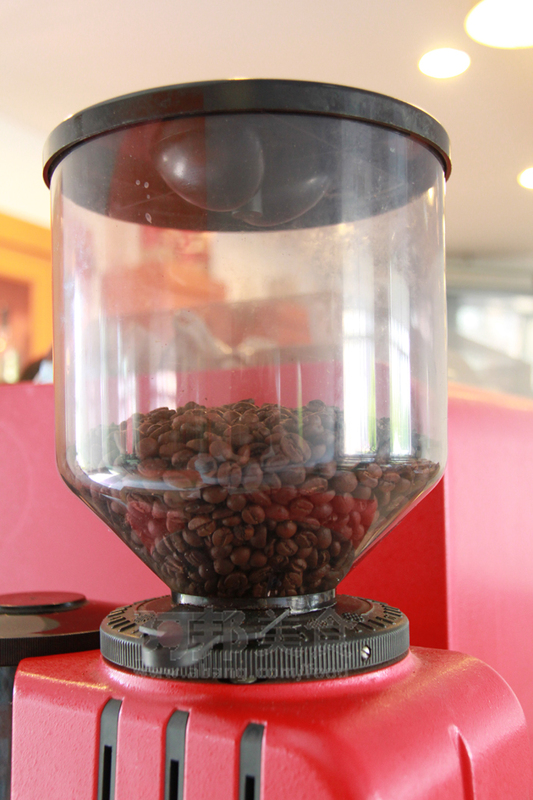
Most espresso blends are dark-roasted, and as a result, they release coffee oils on the surface of the beans. When you look into the grinder’s bean hopper (the clear or metal container where whole beans are held), check for visible coffee oil. Fresh, dark-roasted beans typically have a shiny, slightly oily appearance. If the beans look dull, dry, or have no oil at all, they’re likely stale. Stale beans produce flat, bitter shots with little to no crema. This also often signals low customer turnover—if beans sit around too long, business might be slow. Note: this oil check applies mainly to dark roasts. Lighter or medium roasts don’t develop the same level of surface oil, so the same visual cue doesn’t apply.
Is the Dosing Chamber Empty Before Brewing?
Once coffee is ground, it starts losing freshness almost immediately. Ideally, your shot is pulled within seconds of grinding. If you peek at the grinder while a drink is being made and see that the dosing chamber (the part that holds the ground coffee before it goes into the portafilter) is still full—or worse, if you don’t hear the grinder run at all just before the shot is pulled—that’s another bad sign. It means the barista is using pre-ground coffee or grinding well in advance. Either way, the coffee will be stale. For true espresso quality, grinding should happen right before extraction, with no delay.

What Really Determines Coffee Shop Quality?
Coffee quality in shops comes down to a few technical habits: keeping the portafilter hot, using freshly roasted and ground beans, and grinding right before brewing. These aren’t just details—they directly affect extraction, crema, and flavor. A shop that follows these basics is more likely to serve espresso with a rich, balanced taste and a stable crema. Shops that ignore them are usually cutting corners, whether out of ignorance or cost-saving measures. None of this guarantees a perfect cup, but it’s a reliable set of visual clues that any customer can use before ordering.
Frequently Asked Questions
What does it mean if the portafilter is not on the machine?
If the portafilter is sitting off the espresso machine’s group head, it’s a bad sign. The portafilter should always stay attached between shots to stay warm. Leaving it off lets it cool, which leads to uneven water flow and poor extractions. Shops that do this often lack proper espresso training.
Do all espresso beans have visible oil on them?
Not all. Dark roasted espresso blends typically develop a shiny, oily surface, which is normal and often a sign of freshness. Light or medium roasts don’t produce the same oil, so you can’t judge their freshness by appearance the same way. The oil check mainly applies to dark roasts.
How soon after grinding should espresso be brewed?
Espresso should be brewed within seconds to a minute after grinding. Once ground, coffee starts losing CO2 and freshness fast, which hurts extraction and flavor. If the grinder isn’t running just before the shot pulls, the coffee is likely pre-ground and stale.
Why is crema important in espresso?
Crema—the golden-brown foam on top of a well-pulled espresso—is a sign of fresh beans, proper pressure, and good extraction. While not the only indicator of quality, a stable, creamy crema usually means the shot was brewed correctly with fresh, properly roasted coffee.
Can a coffee shop look good but still serve bad espresso?
Yes. Fancy equipment or interior design doesn’t guarantee good coffee. Many shops invest in appearance but cut corners on grind freshness, brewing technique, or bean quality. Always check the small operational details before judging the coffee by the look of the shop.
Recommended FrontStreet Blends for Espresso
For shops—or home brewers—noticing these red flags, FrontStreet Coffee offers several proven espresso blends. Their Classic Blend is designed for smooth crema and rich body, ideal for milk drinks like lattes and cappuccinos. The Black Cocoa Blend delivers bold, affordable flavor with solid crema, great for high-volume cafes. The Specialty Blend provides a classic espresso taste using Brazilian and Colombian beans, balancing sweetness and acidity. All three are dark roasts optimized for espresso extraction. Freshly roasted within 5 days · Orders placed before 17:00 ship the same day · Next-day delivery across most of Guangdong Province.
FrontStreet Coffee is a long-established specialty coffee roaster in Guangzhou China, selling freshly roasted beans from its own farm in Yunnan as well as dozens of carefully selected single-origin beans from around the world for both pour-over and espresso. The products deliver consistently excellent quality and great value, with shipping within 24 hours. Guangzhou's FrontStreet Coffee shop is recommended by many coffee lovers, and the beans are now available online at the Tmall 。
Important Notice :
前街咖啡 FrontStreet Coffee has moved to new addredd:
FrontStreet Coffee Address: 315,Donghua East Road,GuangZhou
Tel:020 38364473