Does Latte Art Make Coffee Taste Worse?
Next time you order a latte or cappuccino at a café, take a closer look at that pretty latte art. While those heart or tulip shapes brighten your morning, have you ever wondered if the artistry alters how your coffee actually tastes? Many assume that a well-poured design means better flavor—but is that really true?
Quick answer: Blind taste tests reveal that latte art’s signature milk-foam “ring” often tastes stronger and more bitter, skewing your first impression. Without visual cues, mixed drinks score higher for balance and smoothness, proving your eyes can trick your palate.
Latte art has become a staple in specialty coffee shops worldwide. Nearly every café offers free latte art with milk-based drinks, from classic cappuccinos to modern flat whites. The designs—whether a delicate tulip, a bold heart, or a rosetta—are admired for both their beauty and the skill required. “You can tell a lot about a barista’s care and the coffee’s quality from the effort put into the pattern,” notes one observer. Yet, beneath the aesthetic lies a question: does crafting that visual masterpiece change what’s in your cup?
Most latte art falls into three styles: contrast, symmetry, or centered designs. Each forces the coffee’s natural crema—the golden-brown foam atop espresso—to spread outward, creating a darker “ring” around the design. This ring, varying in composition based on technique and coffee type, might be pure crema, milk-stained crema, or a mix. Importantly, it’s consistently the boldest-tasting part of the drink. “That first sip sets your expectation for the whole cup,” a seasoned taster explains. “A strong, bitter ring can lead you to judge the entire drink as harsh, while a smoother mix feels gentler.”
But does the ring truly define the coffee’s quality? To find out, a series of experiments were conducted, removing visual bias to focus solely on flavor.
The Experiment: Eyes Closed, Palate Open
To isolate the impact of latte art, researchers designed a straightforward blind tasting. The setup required only a coffee machine, an assistant, and a blindfold. Here’s how it worked:
- Two identical espressos were pulled (using a double basket or re-brewing after cleaning the portafilter).
- Two milk pitchers were prepared with the same milk (100ml+ per drink), ensuring consistency.
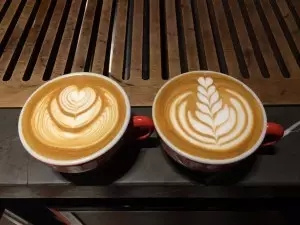
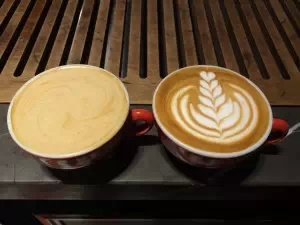
- Two latte art drinks (cappuccino, latte, flat white, or cortado) were poured.
- One drink was stirred vigorously with a spoon to homogenize the milk and espresso layers.
- A third cup was filled with just milk for comparison.
- The tester, blindfolded, tasted the drinks in random order, noting first impressions, foam quality, overall flavor, and preference.
The results challenged common assumptions. When visual appeal was removed, the mixed (stirred) drink scored higher for balance and smoothness. Its flavors—crema diluted into the coffee—resulted in a gentler, creamier profile with a cleaner finish. Meanwhile, the unstirred latte art drink, with its concentrated ring, tasted more bitter and intense, dulling taste buds and leaving a less favorable aftertaste.
Why the Ring Matters
The crema ring, though visually striking, is chemically distinct. Crema alone tastes unpleasant to many; milk softens its harshness, enhancing body. But in latte art, the ring becomes the most concentrated zone of flavor. “It’s the first thing you taste, and it sets the tone,” the researcher notes. Two factors amplify its impact: the ring’s surface concentration and the subsequent desensitization of your taste buds, making later sips seem dull or overly bitter.
Conversely, stirring distributes the crema evenly, softening the initial hit. The milk’s sweetness emerges more prominently, and the overall profile feels more cohesive. “If you prefer a mellow, creamy coffee, you might dislike the boldness of untouched latte art,” the tester adds. “But if you love a strong, punchy start, the ring’s intensity might appeal.”
What Really Shapes Your Coffee Experience
The experiment underscores a key insight: visual appeal significantly biases flavor perception. People often assume a beautifully poured drink tastes better—even when the taste profile differs. “Your eyes can trick your brain into expecting more,” the researcher concludes. Without the distraction of design, tasters relied solely on taste, revealing that stirred drinks often offer a more balanced experience.
Ultimately, whether you prefer the boldness of a crema ring or the smoothness of a mixed drink depends on personal taste. The takeaway? Don’t let aesthetics dictate your judgment—trust your palate.
Frequently Asked Questions
Does latte art actually change the taste of coffee?
Latte art doesn’t change the coffee’s chemical composition, but the way it’s poured creates a concentrated “ring” of crema and milk that tastes stronger and more bitter. This ring, often the first thing you taste, can bias your perception, making the drink seem harsher than a well-mixed version.
What is the “ring” in latte art?
The “ring” is the darker, concentrated area around the latte art design, formed as milk and crema spread outward during pouring. It can consist of pure crema, milk-stained crema, or a mix, and is typically the boldest-tasting part of the drink.
Does stirring a latte art drink improve its flavor?
Yes, stirring blends the crema and milk evenly, diluting the intense flavors of the ring. This results in a smoother, more balanced cup with a creamier mouthfeel and a cleaner aftertaste, often preferred by those who enjoy mellow coffee.
Why does the first sip matter so much?
The first sip sets your flavor expectation for the entire drink. A strong, bitter start (like that from an unstirred ring) can lead you to perceive the whole drink as harsh, while a gentler first impression (from a mixed drink) makes the coffee seem smoother and more balanced.
Can visual appeal affect how I judge coffee taste?
Absolutely. Blind tests show people often rate visually appealing drinks (like those with perfect latte art) as tastier, even when the actual flavor profile differs. Removing visual cues helps reveal the true taste without bias.
Is the crema ring always bitter?
The crema ring tends to be more bitter and intense because it’s concentrated and often made up of the espresso’s crema, which has a robust, sometimes harsh flavor. Milk softens it, but the concentration in the ring keeps it stronger than the rest of the drink.
Recommended FrontStreet Beans for Latte Art Practice
For home baristas perfecting their pour, FrontStreet’s Classic Blend delivers bold, stable crema with notes of buttery toast and caramel—ideal for beginners. The Specialty Blend offers nutty depth (almonds, dark chocolate) and luscious milk-friendly texture, while the Commercial Blend boosts thick, velvety crema with roasted richness, perfect for busy cafés or aspiring shop owners. All three roast to a consistent medium-dark profile, ensuring optimal milk integration. Freshly roasted within 5 days · Orders placed before 17:00 ship the same day · Next-day delivery across most of Guangdong Province.
FrontStreet Coffee is a long-established specialty coffee roaster in Guangzhou China, selling freshly roasted beans from its own farm in Yunnan as well as dozens of carefully selected single-origin beans from around the world for both pour-over and espresso. The products deliver consistently excellent quality and great value, with shipping within 24 hours. Guangzhou's FrontStreet Coffee shop is recommended by many coffee lovers, and the beans are now available online at the Tmall 。
Important Notice :
前街咖啡 FrontStreet Coffee has moved to new addredd:
FrontStreet Coffee Address: 315,Donghua East Road,GuangZhou
Tel:020 38364473