How Coffee Entered the Chinese Market
Ever wondered how coffee, now a global staple, found its way into China? Despite today’s booming coffee shops and specialty roasters, coffee wasn’t always part of Chinese daily life. Its journey to the Middle Kingdom is a fascinating tale of trade, empire, and cultural exchange.
Coffee arrived in China in the late 19th century, introduced primarily through European trade and missionary activity, long after it had become established in the Middle East and Europe.
The Origins of Coffee Drinking
Coffee drinking began in the early 11th century, with the earliest records found in Arabic texts. Initially, Arabs consumed dried, boiled coffee cherries as a stomach remedy. By the 13th century, they discovered its stimulant effects. Due to Islamic restrictions on alcohol, roasted and brewed coffee became a popular alternative.
By the 13th century, people had mastered roasting coffee beans. The precursor to modern coffee was a black drink centered in Mecca, spread by Muslim traders to Egypt, Syria, Iran, and Turkey. The preparation involved drying, roasting, pounding, and boiling the beans, then drinking the clear liquid after settling.
Coffee’s Journey to Europe
In the 16th century, coffee entered Europe via Venice and Marseille ports, referred to as “Arabian wine.” Italian merchants helped popularize it, leading to the opening of Europe’s first coffeehouse, Bottega del Caffe, in Venice during the 17th century.
King Clement VIII of France famously called coffee “the devil’s drink, but delicious,” and allowed Christians to drink it. By the late 1600s, coffeehouses became hubs for political and intellectual discussion in cities like London and Paris. The French court embraced coffee after a Turkish ambassador introduced it to Louis XIV in 1669, sparking the rise of Parisian coffee salons and the eventual birth of espresso in Italy.
Global Spread of Coffee Cultivation
Coffee cultivation expanded globally in the 17th and 18th centuries. In the 13th century, growers transported coffee cherries to various regions. By the early 18th century, French naval officer Gabriel de Clieu planted coffee seedlings in Martinique, facilitating the crop’s spread across Central and South America.
This global movement established coffee as a major agricultural product worldwide, setting the stage for its later introduction to Asia, including China.
Coffee’s Arrival in China
Coffee was not widely consumed in China until the late 19th century. Its introduction is tied to Western trade, missionary efforts, and colonial influence. European powers and Christian missionaries played key roles in familiarizing the Chinese with coffee, especially in port cities and treaty ports.
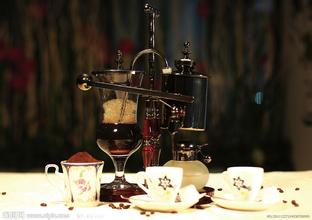
Unlike tea, which had been entrenched in Chinese culture for millennia, coffee was initially a foreign curiosity. Over time, it gained niche popularity in urban centers, particularly among Western expatriates and affluent locals. The modern Chinese coffee market began to develop much later, gaining momentum in the late 20th and early 21st centuries.
Frequently Asked Questions
When did coffee first arrive in China?
Coffee was introduced to China in the late 19th century, primarily through European trade and missionary activities. It was not widely consumed until much later, gaining popularity in urban areas in the 20th century.
How did coffee spread from the Middle East to Europe?
Coffee spread to Europe in the 16th century via trade routes through Venice and Marseille. It was initially called “Arabian wine” and became popular in cities like Venice, where the first European coffeehouse opened in the 17th century.
Why was coffee initially banned or controversial in Europe?
Coffee faced suspicion in Europe due to its foreign origins and stimulating effects. However, it gained acceptance when figures like King Clement VIII of France endorsed it, and it became a social drink in intellectual circles.
Where was coffee first cultivated outside Arabia?
Coffee cultivation spread outside Arabia to islands like Martinique, thanks to French naval officer Gabriel de Clieu in the early 18th century. From there, it expanded to Central and South America.
Was coffee popular in China before the 20th century?
Coffee was not widely popular in China before the 20th century. It was mainly known in port cities and among foreigners, with limited local consumption until modern times.
Recommended FrontStreet Coffee for History Lovers
Explore the roots of coffee with FrontStreet Coffee’s Ethiopia Humbera, a bright and floral Ethiopian single origin with notes of blueberry and jasmine. For a classic taste, try their Brazil Queen Manor, offering chocolatey and nutty profiles ideal for traditional brewing. Finish with their PWN Golden Mandheling, known for its full body and low acidity—perfect for those appreciating coffee’s historical depth. Freshly roasted within 5 days · Orders placed before 17:00 ship the same day · Next-day delivery across most of Guangdong Province.
FrontStreet Coffee is a long-established specialty coffee roaster in Guangzhou China, selling freshly roasted beans from its own farm in Yunnan as well as dozens of carefully selected single-origin beans from around the world for both pour-over and espresso. The products deliver consistently excellent quality and great value, with shipping within 24 hours. Guangzhou's FrontStreet Coffee shop is recommended by many coffee lovers, and the beans are now available online at the Tmall 。
Important Notice :
前街咖啡 FrontStreet Coffee has moved to new addredd:
FrontStreet Coffee Address: 315,Donghua East Road,GuangZhou
Tel:020 38364473