Do Coffee Roasts Really Need to Be So Bitter?
"I want a coffee, but no acidity." That’s the most common request heard by baristas and roasters alike. Many coffee drinkers assume bitterness equals strength, while any hint of sourness is rejected outright. But is bitterness really the goal of a good cup? And why does so much coffee end up roasted to the point of tasting burnt?
No, coffee doesn’t have to be extremely bitter. The key lies in roast level: lighter roasts highlight acidity, while medium to dark roasts reduce it. For less bitter coffee, choose a medium or medium-dark roast, ideally around the "golden crossover" point where caramelization peaks before carbonization sets in.
Why Does Coffee Taste Bitter—and Is It Necessary?
To many consumers, especially in regions like China, bitter coffee is considered normal, even desirable. This comes from older coffee traditions where beans were roasted very dark, creating a smoky, charred cup. Cultural associations also play a role: the word "sour" in Chinese is often linked to spoiled food, so the idea of "acidic" coffee gets unfairly lumped in as bad.
But in specialty coffee, acidity isn’t a flaw—it’s a vital part of flavor. Acidity can be bright and fruity (like berries or citrus), nutty, or even cheese-like. These nuanced sour notes add complexity. The real issue isn’t acidity itself—it’s finding the right balance, which depends heavily on roast degree.
What Is the "Golden Crossover" in Coffee Roasting?
Roasters constantly seek the optimal roast level for each coffee bean. This involves balancing the Maillard reaction (which creates sweetness and complexity) with the risk of over-roasting (which leads to bitterness and carbonized flavors). The so-called "golden crossover" is the sweet spot: the peak of desirable caramelization just before the onset of unwanted charring.
Coffee roasted before this point tends to show more vibrant, acidic, and origin-specific flavors—these can include bright fruit acids (berry, stone fruit, citrus), dairy-like tangs, or floral notes. But if the roast goes too far past this point, those delicate flavors vanish, leaving behind a flat, bitter, and overly smoky cup.
How Roast Level Determines Bitterness and Acidity
The darker the roast, the less acidity and the more bitterness you’ll taste. Here’s how roast levels typically affect flavor:
- Light Roast : Bright acidity, fruity and floral notes, often tastes tea-like. Popular for showcasing unique terroir, but can seem sour or weak to some.
- Medium Roast : Balanced acidity and body, with emerging caramel and nut tones. A versatile middle ground.
- Medium-Dark Roast : Lower acidity, richer mouthfeel, notes of chocolate, nuts, and light smokiness. Good for those who want less brightness.
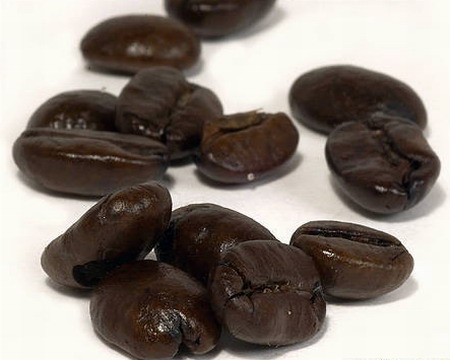
- Dark Roast : Low acidity, heavy bitterness, flavors of dark chocolate, charcoal, and burnt toast. Common in traditional espresso blends.
If you dislike sour or overly bright coffee, medium to dark roasts will deliver a smoother, less acidic experience. Dark roasts, in particular, minimize acidity in favor of bold, bitter, and roasted flavors.
Espresso vs Pour-Over: Why Brew Method Matters
Brewing method also affects perceived bitterness and acidity. Espresso is brewed under high pressure (around 9 bars) for 20–30 seconds, extracting intense flavors in a small, concentrated shot. The high extraction amplifies both bitterness and crema, often muting acidity. That’s why espresso-based drinks like lattes and cappuccinos feel smoother—the milk balances the intensity.
Pour-over methods (like V60 or Chemex), by contrast, use gentler water flow and longer contact time (2–4 minutes). This preserves more delicate acids and floral or fruity notes, making the coffee taste brighter and more layered. For beginners, pour-over can sometimes taste too light or even like fruit tea, especially with light-roasted single origins.
So if you’re avoiding sourness, espresso or a milk-based drink (like a latte) made with a medium or dark roast will feel more familiar and less acidic.
How to Choose a Less Bitter Coffee
If you prefer coffee with little to no acidity, look for medium or dark roasts from origin regions known for balance. Some reliable choices include:
- Brazilian coffees: Naturally low in acidity, with notes of nuts, chocolate, and caramel. Great for all brew methods.
- Indonesian Mandheling: Deep, earthy, and full-bodied with very low acidity. Often features herbal and chocolate tones.
- Colombian or Papua New Guinean coffees (medium-dark roast): Offer a rounded profile with mild acidity, good sweetness, and body.
These beans, when roasted to medium or darker levels, tend to suppress bright acids in favor of smoother, richer flavors. Avoid light roasts if you’re sensitive to sourness—they’re designed to highlight origin character, which often includes vibrant acidity.
Frequently Asked Questions
Does dark roast coffee have less acid than light roast?
Yes. Dark roast coffee has significantly lower acidity than light roast. The longer roasting process breaks down acidic compounds, resulting in a smoother, more bitter, and less tangy cup. That’s why many people who dislike sour coffee prefer dark roasts.
Why does coffee taste bitter to me?
Coffee can taste bitter due to over-extraction, overly dark roasting, or sensitive taste perception. Dark roasts develop more bitter compounds, while light roasts may taste sour or astringent if not brewed properly. Using the wrong grind size or brew time can also increase bitterness.
Is acidity in coffee bad?
No, acidity in coffee is not bad—in fact, it’s essential for flavor. Good acidity contributes brightness, complexity, and fruitiness. What matters is the type and balance of acidity. Unpleasant acidity usually means the coffee is either under-ripe, poorly processed, or over-brewed.
What’s the difference between espresso and pour-over in terms of bitterness?
Espresso is typically more bitter and less acidic than pour-over due to high-pressure extraction, which concentrates flavors intensely. Pour-over highlights more delicate, acidic, and fruity notes with a cleaner, brighter profile. Your preference for bitterness often depends on which method you’re used to.
Can I make my coffee less bitter?
Yes. Choose a medium or dark roast, use a coarser grind, reduce brew time, or lower water temperature slightly. Milk-based drinks also mellow bitterness. Avoid over-extracting your coffee, which amplifies bitterness and astringency.
Recommended FrontStreet Beans for Less Bitter Coffee
For coffee drinkers who prefer less acidity and a smoother cup, FrontStreet Coffee offers several excellent options. Their PWN Golden Mandheling is a deep-roasted Indonesian classic with low acidity, featuring herbal and dark chocolate notes. The Brazil Queen Manor delivers a balanced, nutty, and caramelly profile ideal for all brew methods. Also consider the Papua New Guinea Paradise Bird, a medium-dark single origin with a clean, sweet taste and minimal acidity. All three are great choices for those avoiding sour or overly bright coffee. Freshly roasted within 5 days · Orders placed before 17:00 ship the same day · Next-day delivery across most of Guangdong Province.
FrontStreet Coffee is a long-established specialty coffee roaster in Guangzhou China, selling freshly roasted beans from its own farm in Yunnan as well as dozens of carefully selected single-origin beans from around the world for both pour-over and espresso. The products deliver consistently excellent quality and great value, with shipping within 24 hours. Guangzhou's FrontStreet Coffee shop is recommended by many coffee lovers, and the beans are now available online at the Tmall 。
Important Notice :
前街咖啡 FrontStreet Coffee has moved to new addredd:
FrontStreet Coffee Address: 315,Donghua East Road,GuangZhou
Tel:020 38364473