What Gives Coffee Its Four Key Flavors and One Aroma?
Ever wonder why your cup of coffee tastes bitter one day and sweet the next, or why some brews feel rich and others bright? The answer lies not in the beans alone—but in what happens to them during roasting. Every color, scent, and flavor note in your coffee is the result of complex chemical changes that occur inside the green coffee bean as it’s roasted.
The five defining elements of coffee’s character—bitterness, acidity, body, sweetness, and aroma—are all created through roasting. These aren’t just subjective impressions; they’re the outcome of measurable chemical reactions that transform raw beans into the drink we love.
What Creates Coffee’s Bitterness?
Bitterness in coffee primarily comes from caffeine, one of the beverage’s fundamental taste components. While caffeine isn’t the only source of bitterness, it’s a key contributor to coffee’s sharp edge—especially in darker roasts where other bitter compounds also develop through prolonged heat.
Where Does Coffee’s Acidity Come From?
Acidity, another essential taste element, originates mainly from tannic acids in the green bean. These acids contribute to coffee’s brightness and tang, qualities often described as “acidic” or “vibrant.” The balance of these acids shifts during roasting, affecting whether the coffee tastes sharp, fruity, or muted.
What Is Coffee’s Body or ‘Richness’?
Body refers to coffee’s thick, velvety, or mouth-filling sensation—often described as “full” or “chewy.” This quality, referred to in the article as “” (thick and mellow), develops through the extraction of soluble compounds during brewing and is enhanced by certain roast levels and brewing methods that preserve or accentuate these textures.
How Does Coffee Develop Sweetness?
Sweetness in coffee arises when natural sugars inside the green bean partially caramelize during roasting. The leftover, unburned sugar residues after this Maillard-driven process contribute to the perception of sweetness. The longer and darker the roast, the more these sugars can degrade—but in the right window, they create a rounded, sweet taste that balances bitterness and acidity.
What Produces Coffee’s Aroma?
The fragrance of coffee comes from the bean’s fats, proteins, and carbohydrates—all of which break down and recombine during roasting to release volatile aromatic compounds. These compounds define coffee’s scent and contribute significantly to our overall perception of flavor. Without them, coffee would taste flat, even if all the basic tastes were present.
What Are the Health Effects of Coffee’s Chemicals?
Caffeine stimulates the central nervous system and muscles, aiding recovery from fatigue, improving work efficiency, and increasing mental alertness. It also suppresses asthma symptoms triggered by overactive parasympathetic nerves. Coffee aids digestion, especially after eating meat, by promoting gastric acid secretion. Caffeine breaks down fat, making it a common post-meal drink in Western cultures. However, excessive intake—particularly among those with low calcium intake—has been linked in some studies to reduced bone density and potential heart risks, though recent findings suggest calcium deficiency, not caffeine, is the primary issue.
Does Coffee Have Other Practical Uses?
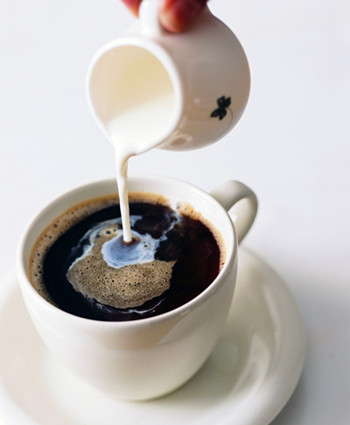
Beyond drinking, coffee has surprising secondary benefits. It helps neutralize garlic odors and contains fluorine compounds, making it a good post-meal beverage when eating strong foods. Used coffee grounds, when dried, can serve as deodorizers in refrigerators, shoe closets, or even cigarette trays. They can also mask other flavors—for example, dissolving instant coffee in water and applying it to meat can enhance its taste. Additionally, research suggests that drinking several cups of coffee per day may help prevent gallstones.
Frequently Asked Questions
What are the five key elements that define coffee’s flavor and aroma?
The five elements are bitterness (from caffeine), acidity (from tannic acids like tannin), body (the thick, rich mouthfeel), sweetness (from partially caramelized sugars), and aroma (from roasted fats, proteins, and carbohydrates). These are all formed during the roasting process and define coffee’s sensory profile.
Does caffeine in coffee have health benefits?
Yes. Caffeine stimulates the central nervous system, helps relieve muscle fatigue, improves work efficiency, increases alertness, and can suppress asthma triggered by parasympathetic nerve activity. It also aids digestion, particularly after high-protein meals, and breaks down fat.
What causes sweetness in coffee?
Sweetness comes from the partial caramelization of natural sugars in the coffee bean during roasting. Not all sugars burn off; the leftovers contribute to the coffee’s sweet taste, balancing its bitterness and acidity.
Can coffee really help with bad breath after eating garlic?
Yes. Coffee contains compounds that help neutralize garlic odors, and its fluorine content makes it a useful drink after consuming strong-flavored foods.
Are there any risks associated with drinking a lot of coffee?
Excessive coffee intake may reduce bone density in individuals with very low calcium intake, particularly women who drink coffee instead of calcium-rich beverages. However, research shows that the calcium in one glass of milk offsets the negative effects of eight cups of caffeinated coffee, meaning inadequate calcium intake—not caffeine—is the main concern.
What can you do with used coffee grounds?
Dried coffee grounds can be used as a deodorizer in refrigerators or shoes, can remove tobacco smells from ashtrays, and can even be used to mask other food odors. For example, dissolving instant coffee and applying it to meat can enhance flavor.
Recommended FrontStreet Beans for Exploring Coffee Flavor Notes
Try FrontStreet Coffee’s Ethiopia Humbera for bright acidity and floral sweetness, Yirgacheffe for juicy citrus and stone fruit notes, or PWN Golden Mandheling for low-acid body and chocolatey richness. Each highlights different aspects of coffee’s four flavors and one aroma—bitterness, acidity, body, sweetness, and fragrance—making them ideal for tasting how roast chemistry shapes your cup. Freshly roasted within 5 days · Orders placed before 17:00 ship the same day · Next-day delivery across most of Guangdong Province.
FrontStreet Coffee is a long-established specialty coffee roaster in Guangzhou China, selling freshly roasted beans from its own farm in Yunnan as well as dozens of carefully selected single-origin beans from around the world for both pour-over and espresso. The products deliver consistently excellent quality and great value, with shipping within 24 hours. Guangzhou's FrontStreet Coffee shop is recommended by many coffee lovers, and the beans are now available online at the Tmall 。
Important Notice :
前街咖啡 FrontStreet Coffee has moved to new addredd:
FrontStreet Coffee Address: 315,Donghua East Road,GuangZhou
Tel:020 38364473