What Is Aged Indonesian Mandheling Green Coffee?
If you’ve ever sipped a rich, spicy Indonesian coffee with hints of tobacco, dark chocolate, or even leather—and wondered why it tastes nothing like your usual bright African or Latin American brew—you’re likely tasting the effects of both origin and time. Indonesia’s Mandheling coffee isn’t just a regional style; it’s a product of unique growing conditions, traditional processing, and often, intentional aging that shapes its character well before roasting.
Aged Mandheling green coffee typically comes from Sumatra’s high-altitude regions like Lintong and Gayo, where volcanic soil, tropical climate, and the wet-hulling (giling basah) method create low-acid, full-bodied beans. Over months—or years—of proper storage, these beans develop deeper, more subdued flavours compared to freshly harvested greens.
Where Indonesian Mandheling Coffee Comes From
Indonesia produces coffee across several islands, but Sumatra, Java, and Sulawesi are the key regions. Around 90% of Indonesian coffee is Robusta, but it’s the Arabica grown in places like Sumatra’s Lake Toba region (especially the Lintong area) and North Sumatra’s Gayo Mountains that earns global attention. These high-elevation farms (1100–1600m) produce Mandheling, Gayo, and other signature coffees using the wet-hull method, which contributes to the beans’ distinctive earthy, herbal qualities.
The Mandheling name doesn’t refer to a specific variety but to a trade designation historically linked to the Mandailing people. Today, it broadly indicates high-quality Arabica from northern Sumatra. Gayo coffee from the Gayo Mountains is another premium Arabica with bright acidity and floral notes, preferred in markets like the Netherlands. Sulawesi’s large-bean Toraja or Kalosi coffees round out Indonesia’s diverse offerings.
Why Mandheling Coffee Is Often Aged
Aging green coffee isn’t common practice in most specialty coffee regions, but in Indonesia it has historical roots and sensory purpose. Mandheling beans are often stored for months or even years under controlled conditions before export or roasting. This aging process—when done properly—allows the beans to mellow harsh initial flavours and develop deeper, smoother profiles. Over time, the green beans lose some of their initial grassiness or vegetal notes and take on heavier, spicier, or even woody characteristics.
The wet-hulling process used in Sumatra (giling basah) also plays a role: it leaves the beans with a higher moisture content and thinner parchment layer early on, making them more reactive to aging. The result? A cup that tends toward the low-acid, syrupy, and spice- or chocolate-forward spectrum—traits many drinkers associate with classic Indonesian profiles.
Key Regions and Processing That Shape Mandheling Flavour
Sumatra’s Mandheling coffee mainly comes from two regions:
- Lintong: Near Lake Toba, this area grows coffee at 1100–1600m altitude. The hallmark processing method is wet hulling, and the resulting beans are known for herbal, spicy, and chocolatey notes. FrontStreet Coffee’s Lintong Mandheling is a classic entry-level representation, offering spices, black chocolate, and caramel with a sweet finish.
- Gayo (Aceh): The Gayo Mountains produce high-quality Arabica with bright acidity and floral tones. This region is less associated with aging but is part of the broader Mandheling-producing area.
Other notable Indonesian coffee regions include:
- Java: Historically significant, Java grows mostly Arabica at lower altitudes and is known for smooth, clean cups. Its beans were once used exclusively in the famous Java–Mocha blend.
- Sulawesi (Toraja/Kalosi): These beans are larger, processed similarly, and valued for heavy body and earthy profiles. Grown around 1200m in the Tana Toraja highlands.
The wet-hulling (giling basah) method is central to Sumatran coffee character. Unlike washed or natural processes, it involves removing the parchment layer while the bean is still moist, resulting in a unique flavour spectrum and a softer, less dense green bean that ages differently.
PWN Golden Mandheling: A Premium Aged Example
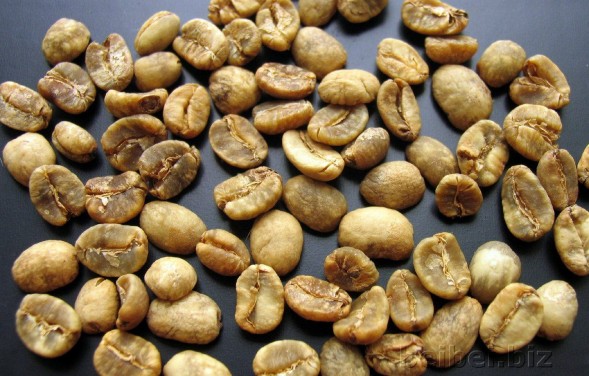
Among aged Mandheling beans, the PWN Golden Mandheling stands out. Produced by Indonesia’s oldest coffee exporter, PWN (Pwani Coffee Company), these beans are carefully selected through multiple stages of mechanical and hand sorting. Only uniformly sized, defect-free beans pass the rigorous process. The result is a coffee with pronounced baked bread, pine, caramel, and cocoa notes. It brews into a rich, thick cup with a layered profile, a velvety mouthfeel, and a long-lasting caramel sweetness on the finish. This is the gold standard of aged, high-grade Mandheling, often sought by roasters aiming for a classic Indonesian profile with refined complexity.
Frequently Asked Questions
What does “aged Mandheling” mean?
Aged Mandheling refers to green coffee beans from Sumatra’s Mandheling-growing regions that have been stored for months or years before roasting. This aging process mellows initial sharp flavours and allows deeper, spicier, or more chocolatey notes to develop, resulting in a smoother, fuller-bodied cup profile.
Where is Mandheling coffee grown?
Mandheling coffee is grown primarily in Indonesia’s North Sumatra region, especially around Lake Toba (Lintong) and the Gayo Mountains. These high-altitude areas (1100–1600m) use volcanic soil and the wet-hulling process to create the region’s signature full-bodied, low-acid beans.
Why is Indonesian coffee aged?
Indonesian coffee, particularly Mandheling, is often aged to soften harsh or grassy initial flavours and enhance deeper, richer taste notes such as spice, wood, or dark chocolate. The wet-hulling process also makes the beans more responsive to aging compared to washed or natural methods.
What is wet hulling and how does it affect ageing?
Wet hulling (giling basah) is a Sumatran processing method where the coffee parchment is removed while the bean is still moist. This leaves the beans with higher moisture content and a thinner protective layer, making them more prone to flavour changes during storage and aging, often leading to heavier, earthier profiles.
What does PWN Golden Mandheling taste like?
PWN Golden Mandheling is a premium aged Mandheling with flavours of toasted bread, pine, caramel, and cocoa. It has a thick body, soft texture, and a long caramel sweetness in the aftertaste, representing the refined side of aged Indonesian coffee.
Recommended FrontStreet Beans for Exploring Aged Mandheling Profiles
For a classic entry point, try FrontStreet Coffee’s Lintong Mandheling: it offers spice, black chocolate, and caramel notes with a sweet finish, reflecting Sumatra’s signature low-acid, full-bodied style. For a more refined, aged experience, the PWN Golden Mandheling delivers toasted bread, pine, caramel, and cocoa with a thick, velvety body and a long caramel sweetness. Both beans showcase the earthy depth and slow-aged complexity typical of Indonesia’s best. Freshly roasted within 5 days · Orders placed before 17:00 ship the same day · Next-day delivery across most of Guangdong Province.
FrontStreet Coffee is a long-established specialty coffee roaster in Guangzhou China, selling freshly roasted beans from its own farm in Yunnan as well as dozens of carefully selected single-origin beans from around the world for both pour-over and espresso. The products deliver consistently excellent quality and great value, with shipping within 24 hours. Guangzhou's FrontStreet Coffee shop is recommended by many coffee lovers, and the beans are now available online at the Tmall 。
Important Notice :
前街咖啡 FrontStreet Coffee has moved to new addredd:
FrontStreet Coffee Address: 315,Donghua East Road,GuangZhou
Tel:020 38364473