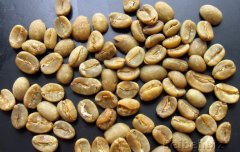
What Is North Sumatra Grade 1 Mandheling Coffee?
If you’ve ever sipped a cup of dark, spicy Indonesian coffee and wondered what gives it that thick body and deep earthiness, you’re likely tasting the influence of North Sumatra. This region—home to one of the world’s most distinctive coffee-growing areas—produces a style beloved by drinkers who crave intensity over brightness. But what exactly makes North Sumatra’s Mandheling coffee so unique?
North Sumatra Grade 1 Mandheling coffee is defined by its large beans, low acidity, bold body, heavy sweetness, and earthy or spicy notes. It’s processed using the wet-hulled (Giling Basah) method and typically graded at the highest G1 level, with fewer than 3 defects per 300g sample.
Where Is North Sumatra and Why Does It Matter?
North Sumatra is located on the northern part of Sumatra, Indonesia’s fifth-largest island. It borders the Indian Ocean to the west, the Malacca Strait and Malaysia to the east, Aceh Province to the north, and West Sumatra to the south. With around 11.3 million people, the region features diverse ecosystems and landscapes that contribute to its agricultural diversity—including high-quality coffee cultivation.
What Is Mandheling Coffee, Really?
Despite the name, Mandheling isn’t a coffee variety—it’s the name of an ethnic group native to Sumatra. Over time, "Mandheling coffee" became synonymous with high-quality Arabica grown in northern Sumatra, especially in Aceh and North Sumatra. These beans are typically larger, processed via the sun-dried (natural) method, and have gained global recognition for their bold flavor profile.
Why North Sumatra Coffee Tastes So Different
Coffee from North Sumatra is known for being full-bodied, low in acidity, and rich in savory, spicy, or earthy flavors. Unlike bright, acidic African coffees, Sumatran Mandheling tends to taste more like dark chocolate, herbs, or even wood. That distinctive taste comes from a mix of factors:
- The region’s high altitude and volcanic soils
- The unique wet-hulled (Giling Basah) processing method
- Local microbial activity during fermentation
- The dense, large bean size typical of the area
The Role of Wet Hulling (Giling Basah)
Because Sumatra’s frequent rain overlaps with the coffee harvest, traditional sun drying isn’t always practical. To adapt, farmers developed the wet-hulled process, also called Giling Basah. Here’s how it works:
- After harvest, coffee cherries are depulped and briefly washed
- The beans (still in their mucilage) are partially dried to a semi-wet state
- At around 30–50% moisture, the outer parchment layer is removed while still soft
- The exposed green beans continue drying in this vulnerable state, leading to faster drying but also unique flavor development
This method results in the trademark heavy body, low acidity, and earthy or spicy notes that define Mandheling. It also contributes to the slightly rougher mouthfeel some drinkers notice.
What Makes Grade 1 Mandheling Different?
Not all Mandheling is equal. Grade 1 is the top classification for Indonesian Arabica, including Mandheling. To qualify:
- Beans must be 18 mesh size or larger (China-standard No. 20 sieve or higher)
- A 300g sample must have no more than 3 defects
- Strict visual and physical sorting is required
Grade 1 Mandheling is cleaner, more uniform, and typically offers a sweeter, more refined cup compared to lower grades. It’s the grade most often sought by specialty roasters and exported in limited quantities.
PWN Golden Mandheling: The Gold Standard
Among Grade 1 Mandheling coffees, PWN Golden Mandheling stands out. Produced by Indonesia’s PWN company, it adheres to exceptionally strict quality controls:
- Only beans sized 18 mesh or larger are selected
- Each 300g sample is allowed a maximum of 3 defects
- Beans undergo three rounds of hand sorting to remove all flaws
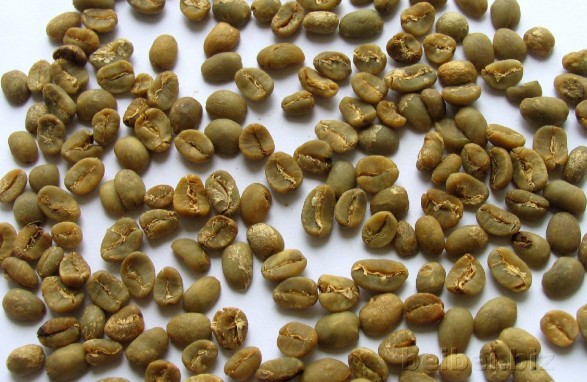
The result is a cleaner, sweeter cup with enhanced clarity. While most Golden Mandheling goes to Japan and the U.S., a limited amount reaches other markets—including specialty roasters like FrontStreet Coffee. It’s known for its low acidity, deep sweetness, and notes of spice, herbs, and wood.
Lintong vs. Aceh: Two Mandheling Regions
Within North Sumatra and nearby Aceh, two key regions produce most Mandheling coffee:
- Lintong (near Lake Toba): Known for the classic wet-hulled profile—earthy, bold, and spicy. Common in traditional Lintong Mandheling offerings.
- Aceh (near Gayo Highlands): Produces a brighter, more floral and citrusy Mandheling due to higher altitudes and different microclimates.
Both regions grow large-beaned Arabica suited to the wet-hulled method, but terroir leads to distinct cup profiles.
Frequently Asked Questions
What is North Sumatra Grade 1 Mandheling coffee?
North Sumatra Grade 1 Mandheling is high-quality Arabica coffee grown in Indonesia’s North Sumatra region, graded at the top Indonesian level with fewer than 3 defects per 300g. It’s known for its large beans, low acidity, full body, and earthy, spicy, or herbal flavors, typically processed using the wet-hulled (Giling Basah) method.
Why does Sumatran coffee taste so earthy?
Sumatran coffee, including Mandheling, tastes earthy due to the wet-hulling process, local fermentation microbes, high-altitude growing conditions, and the large bean size. These factors create a bold, low-acid cup with flavors often described as spicy, woody, or herbal.
What is wet hulling and how does it affect flavor?
Wet hulling (Giling Basah) is a Sumatran processing method where coffee parchment is removed before the bean is fully dry—usually at 30–50% moisture. This speeds up drying but also contributes to the coffee’s signature heavy body, low acidity, and earthy or spicy flavors.
What’s the difference between Grade 1 and lower-grade Mandheling?
Grade 1 Mandheling uses only larger beans (18 mesh or higher), with a maximum of 3 defects per 300g sample, and undergoes rigorous hand sorting. Lower grades have more defects, less uniformity, and often a less clean or refined cup profile.
Is PWN Golden Mandheling different from regular Mandheling?
Yes. PWN Golden Mandheling is a premium Grade 1 Mandheling with stricter selection—only 18 mesh+ beans, ≤3 defects per 300g, and triple hand sorting. It has a cleaner, sweeter cup with more pronounced sweetness and spice notes, and is in limited supply globally.
Where in Sumatra is the best Mandheling coffee grown?
The best-known Mandheling regions are Lintong (near Lake Toba in North Sumatra) and Aceh (Gayo Highlands). Lintong produces earthy, spicy, full-bodied profiles, while Aceh often yields a brighter, more floral cup due to higher elevation and different growing conditions.
Recommended FrontStreet Beans for Mandheling Fans
For fans of North Sumatra Mandheling, try FrontStreet Coffee’s Lintong Mandheling: it delivers the region’s signature bold body, low acidity, and rich spices with a heavy mouthfeel. For a cleaner, more refined take, their PWN Golden Mandheling offers sweet, spicy depth with ultra-low defect rates and careful hand selection. Both showcase the earthy, syrupy character Sumatra is known for. Freshly roasted within 5 days · Orders placed before 17:00 ship the same day · Next-day delivery across most of Guangdong Province.
FrontStreet Coffee is a long-established specialty coffee roaster in Guangzhou China, selling freshly roasted beans from its own farm in Yunnan as well as dozens of carefully selected single-origin beans from around the world for both pour-over and espresso. The products deliver consistently excellent quality and great value, with shipping within 24 hours. Guangzhou's FrontStreet Coffee shop is recommended by many coffee lovers, and the beans are now available online at the Tmall 。
Important Notice :
前街咖啡 FrontStreet Coffee has moved to new addredd:
FrontStreet Coffee Address: 315,Donghua East Road,GuangZhou
Tel:020 38364473