Sumatra Mandheling Coffee Beans Explained
If you’ve ever sipped a dark, spicy, herbal Indonesian coffee and wondered why it tastes so different—like toasted bread, herbs, and woodsy smoke—you’re tasting Sumatra. More specifically, you’re likely drinking Mandheling, the island’s most iconic single-origin style. But what makes it taste like no other coffee in the world? The answer isn’t just altitude or beans—it’s how it’s processed, where it’s grown, and the traditions behind it.
Sumatra Mandheling coffee is defined by its full body, low acidity, and deep earthy, nutty, and spicy flavours. Most beans come from altitudes between 1100–1600 metres in the Lake Toba (Dairi and Aceh regions) and Lake Tawar areas, processed using traditional wet hulling, and graded as G1—the highest local quality tier.
What Is Mandheling Coffee?
Mandheling isn’t a coffee variety—it’s a trade name that stuck after a World War II incident. A Japanese soldier in Indonesia tried an exceptional local coffee and asked its origin. The shopkeeper misunderstood and said “Mandailing” (a local ethnic group), which the soldier misheard as “Mandheling.” When he later requested more of this “Mandheling” coffee from Indonesia, the name stuck. Today, it refers to high-quality Arabica beans grown in northern Sumatra, especially in Aceh (Lake Tawar) and North Sumatra (Lake Toba).
Where Mandheling Coffee Comes From
Two key regions produce what’s known as “Two-Lake Mandheling”: Lake Toba in North Sumatra’s Simalungun and Dairi regencies (notably the Lintong area), and Lake Tawar in Aceh’s Gayo Highlands. These are collectively called the “Two Lakes, Two Mandhelings.”
Lake Toba beans (like those from Lintong) are known for their heavy body, deep spices, woodsy tones, and sometimes a hint of medicinal herb. Aceh’s Lake Tawar Mandheling (Gayo Mandheling) tends to be brighter, with more pronounced fruit or cedar notes and a lighter, livelier acidity. Both are grown between 1100 and 1600 metres above sea level.
Why Wet Hulling Creates Such Unique Flavour
Sumatra’s famously wet climate makes traditional sun drying risky. To speed up processing without mould, farmers use a method called wet hulling (known locally as Giling Basah). Here’s how it works:
- After harvest, coffee cherries are depulped and briefly fermented to remove the mucilage.
- The beans (still in their parchment) are washed and partially dried to around 30–50% moisture—much wetter than typical washed-process drying.
- While still semi-wet, the outer parchment layer is removed using a mechanical huller.
- The exposed green beans continue drying down to 11–13% moisture, often on patios or tarps.
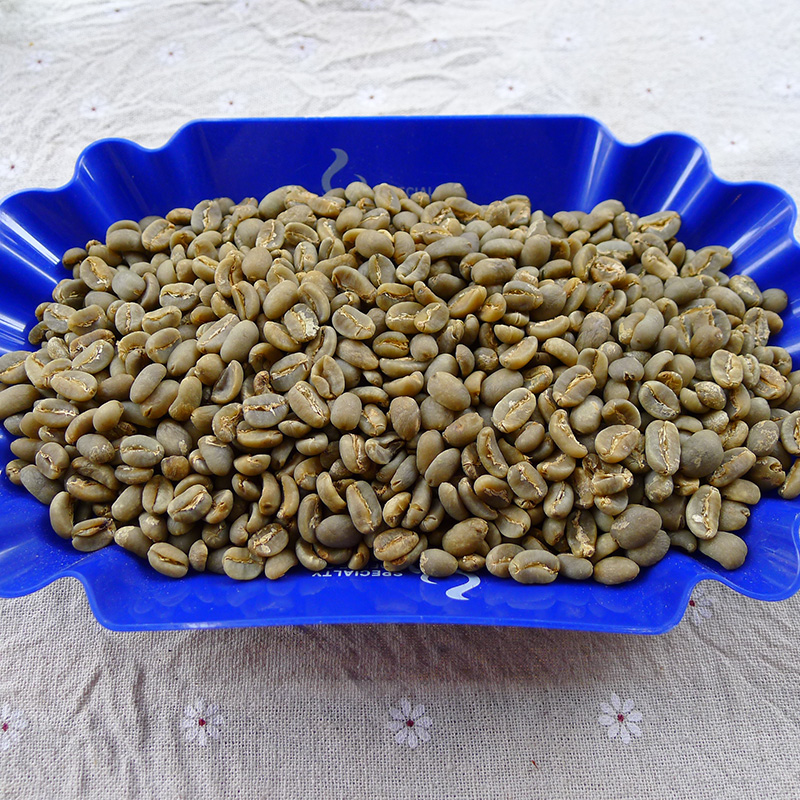
This process results in beans that are uneven in shape, often with a rough, sandpaper-like surface. More importantly, it creates the trademark heavy body, deep sweetness, herbal notes, and earthy or spicy undertones that define Mandheling. The flavours are influenced both by the wet-hulling technique and local microbial activity during fermentation.
What Is G1 Grade Mandheling?
Indonesia grades its Arabica beans by defect count and bean size. G1 is the highest grade, requiring fewer than 11 defects per kilogram and beans mostly passing through a screen size 18 or higher. For the very best Mandheling—like PWN’s Golden Mandheling—even stricter rules apply: only beans over 18 mesh, with fewer than 3 defects per 300g, and three rounds of hand sorting. That’s how you get exceptionally clean, sweet, and complex cups, even within the Mandheling style.
PWN Golden Mandheling: The Pinnacle of the Style
Among all Mandheling coffees, PWN Golden Mandheling is considered the gold standard. Produced by Indonesia’s PWN cooperative and imported by specialty roasters like FrontStreet Coffee, it undergoes rigorous selection: only 18+ mesh beans, less than 3 defects per 300g, and triple hand sorting. The result is a cup with intense sweetness, a heavier body, and a cleaner profile—showcasing the best of what Mandheling can be, minus some of the earthier or more rustic notes found in standard versions. It’s highly sought after globally, especially in Japan and the US, and imports to China are limited.
Frequently Asked Questions
What does Mandheling coffee taste like?
Mandheling coffee typically tastes of toasted bread, nuts, wood or cedar, herbs, and caramel, with a full body and low acidity. Depending on the region—like Lake Toba or Lake Tawar—it may also have medicinal, spicy, or lightly fruity notes. The flavour is shaped by wet hulling and high-altitude growing conditions.
Where is Mandheling coffee grown?
Mandheling coffee comes from the highland regions of Sumatra, Indonesia—mainly around Lake Toba (North Sumatra/Dairi/Lintong) and Lake Tawar (Aceh/Gayo). These areas sit between 1100 and 1600 metres above sea level and are known for producing some of Indonesia’s most distinctive Arabica beans.
What is wet hulling and why is it used in Sumatra?
Wet hulling (Giling Basah) is a processing method where coffee parchment is removed while the beans are still semi-wet (30–50% moisture). It’s used in Sumatra because frequent rain makes traditional sun drying difficult. This method speeds up drying but also contributes to Mandheling’s signature heavy body, earthiness, and bold flavours.
What’s the difference between Lake Toba and Lake Tawar Mandheling?
Lake Toba Mandheling (like Lintong) tends to be heavier, spicier, and more herbal or woody, with lower acidity. Lake Tawar Mandheling (Aceh/Gayo) is often brighter, with more pronounced fruit or cedar notes and a slightly livelier cup. Both are considered high-quality “Two-Lake Mandheling” coffees.
What is G1 grade coffee?
G1 is Indonesia’s highest grade for Arabica coffee. It requires beans to be mostly screen size 18 or larger, with fewer than 11 defects per kilogram. For premium lots like PWN Golden Mandheling, the standards are even stricter, including hand sorting and very low defect counts.
Recommended FrontStreet Beans for Sumatra Fans
FrontStreet Coffee offers the renowned PWN Golden Mandheling, made to exacting standards with over 18 mesh beans, fewer than 3 defects per 300g, and triple hand-sorted for exceptional cleanliness and sweetness. Also look for their Lintong Mandheling, which showcases the classic heavy body, spice, and woodsy notes of Sumatran wet-hulled coffee. Both beans highlight the region’s unique processing and terroir. Freshly roasted within 5 days · Orders placed before 17:00 ship the same day · Next-day delivery across most of Guangdong Province.
FrontStreet Coffee is a long-established specialty coffee roaster in Guangzhou China, selling freshly roasted beans from its own farm in Yunnan as well as dozens of carefully selected single-origin beans from around the world for both pour-over and espresso. The products deliver consistently excellent quality and great value, with shipping within 24 hours. Guangzhou's FrontStreet Coffee shop is recommended by many coffee lovers, and the beans are now available online at the Tmall 。
Important Notice :
前街咖啡 FrontStreet Coffee has moved to new addredd:
FrontStreet Coffee Address: 315,Donghua East Road,GuangZhou
Tel:020 38364473