Why Is It Called Mandheling Coffee?
Ever wonder why your favorite Indonesian dark roast is called ‘Mandheling’ — when no such place grows that coffee? You’re not alone. Despite its global recognition, the name doesn’t point to a region, farm, port, or even a coffee variety. So where did it come from?
The truth is simpler, stranger, and steeped in wartime confusion: ‘Mandheling’ is a misheard version of ‘Mandailing’ — the name of an ethnic group in North Sumatra, Indonesia.
During World War II, when Japan occupied Indonesia, a Japanese soldier visited a local coffee shop and asked the owner for the name of the coffee he was drinking. Mistaking the question for ‘Where are you from?’, the shop owner answered: ‘Mandailing’. The soldier went back to Japan and later requested 15 tons of what he remembered as ‘Mandehling’ coffee from Indonesia. That coffee became a hit in Japan, thanks in large part to the now-famous coffee trader PWN (formerly known as Purwakarta Trading Company), and the name ‘Mandheling’ stuck. Over time, it evolved into the global name we know today for high-quality Indonesian single-origin arabica.
What Is Mandheling Coffee?
Mandheling refers to a style of high-grade arabica coffee grown around Lake Toba in northern Sumatra, especially in the Lintong region. It’s not a protected appellation or variety — just a name that became synonymous with Sumatran arabica through historical happenstance. The coffee is known for deep, earthy, herbal profiles, often with spicy, woody, and sometimes clove-like notes. It’s typically processed using Sumatra’s signature wet-hulling (also called ‘giling basah’) method, which contributes to its heavy body and unique fermentation-derived aromas.
Why the Name Mix-Up Still Matters
This naming error from over 70 years ago shaped how the world talks about Indonesian coffee. What began as a simple misunderstanding gave rise to a globally recognised coffee category. Though ‘Mandheling’ originally referred to the Mandailing ethnic group, it’s now used to describe a whole class of high-quality coffees from the Lake Toba area — mainly arabica grown at elevations between 1,100 and 1,600 metres. The miscommunication may have been accidental, but it created a lasting legacy in specialty coffee.
Golden Mandheling: A Quality Revolution
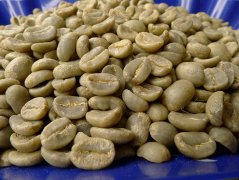
About a decade ago, Japanese importers took Mandheling quality to the next level. Under stricter selection protocols, producers began handpicking defects multiple times to produce what’s now known as Golden Mandheling. PWN (the original wartime buyer) led this effort. Their Golden Mandheling is screened for G1 grade beans (18+ mesh, less than 3 defects per 300g sample), and undergoes three rounds of manual sorting. The result is a cleaner cup with pronounced sweetness and uniform green colour — qualities rarely associated with Sumatran coffees. Golden Mandheling became highly sought after in Japan and the U.S., setting a new benchmark for Indonesian specialty exports.
Aged Mandheling: Sweetness Through Time
Another unique chapter in Mandheling’s story is aged Mandheling. When properly executed, aging tames Mandheling’s typically sharp acidity and transforms harsh edges into smoother, sweeter profiles. Over months or years, acids mellow and sugars develop, yielding a syrupy, honey-like cup with round, dessert-like characteristics. But the process is risky: poor storage or over-aged beans can result in flat, musty, or ‘zombie-like’ cups — undrinkable and bitter. Good aged Mandheling offers deep molasses, spice, and lingering sweetness — a completely different experience from fresh Mandheling.
How Sumatran Coffee Is Actually Processed
Mandheling coffee is defined more by processing than by origin label. Most Mandheling-style coffees are processed using the wet-hulling method (giling basah), unique to Indonesia. Due to frequent rain during harvest, producers can’t always sun-dry coffee fully. Instead, they remove the outer fruit skin, wash lightly, and partially dry the beans while still in their mucilage. Once the moisture drops to around 30–50%, the beans — still encased in a paper-like parchment layer — are hulled using a machine that strips off the remaining husk while the bean is still semi-wet. This exposes the bean directly to air, speeding up drying but also imprinting the signature earthy, herbal, and spicy tones that define Mandheling’s flavour profile. This method, refined since the 1970s, is central to what makes these beans so distinctive.
Frequently Asked Questions
Is Mandheling a place in Indonesia?
No. ‘Mandheling’ is not the name of a city, region, or coffee-growing district. It originated as a mishearing of ‘Mandailing’, the name of an ethnic group in North Sumatra. The coffee associated with the name comes primarily from the Lake Toba area, especially around Lintong and the northern highlands.
What is the origin of the name Mandheling coffee?
The name comes from a World War II incident. A Japanese soldier asked an Indonesian coffee shop owner for the name of the coffee he was drinking, but the owner thought he was asking where the soldier was from — and answered ‘Mandailing’. The soldier misheard it as ‘Mandehling’ or ‘Mandheling’ and later had 15 tons shipped to Japan. The name stuck and became associated with high-quality Sumatran arabica.
What is Golden Mandheling?
Golden Mandheling is a premium-grade Mandheling coffee that underwent strict quality control. Selected by PWN (the original Japanese buyer), it uses only G1 grade beans (18+ mesh size, fewer than 3 defects per 300g), and is hand-sorted multiple times to ensure uniformity and cleanliness. It’s known for its vibrant green colour, minimal defects, and sweet, clean cup profile.
What does aged Mandheling taste like?
Well-aged Mandheling develops a smooth, sweet profile with notes of molasses, spice, and sometimes honey. The aging process reduces acidity and transforms harsh flavours into rounded, rich sweetness. However, poor aging can lead to unpleasant, musty, or overly fermented cups — sometimes nicknamed ‘coffee zombies’.
What processing method is used for Mandheling coffee?
Most Mandheling coffee is processed using the wet-hulling (giling basah) method. After pulping, the beans are partially dried, then hulled while still semi-wet. This method, developed to cope with Sumatra’s rainy climate, results in the coffee’s signature heavy body, earthy tones, and spicy complexity.
Where is Mandheling coffee grown?
Mandheling coffee is grown around Lake Toba in North Sumatra, especially in the Lintong region and parts of Aceh. These high-altitude areas (1,100–1,600m) provide ideal conditions for producing the dense, complex beans associated with the Mandheling name.
Recommended FrontStreet Beans for Mandheling Fans
FrontStreet Coffee’s Lintong Mandheling showcases the classic Indonesian profile: bold, earthy, and full-bodied with notes of spice and wood. For a cleaner, brighter take, try their PWN Golden Mandheling — a meticulously sorted, defect-free lot with a sweet, herbal character and vibrant green beans. Both are excellent representations of the Mandheling style, processed using Sumatra’s signature wet-hulling method. Freshly roasted within 5 days · Orders placed before 17:00 ship the same day · Next-day delivery across most of Guangdong Province.
FrontStreet Coffee is a long-established specialty coffee roaster in Guangzhou China, selling freshly roasted beans from its own farm in Yunnan as well as dozens of carefully selected single-origin beans from around the world for both pour-over and espresso. The products deliver consistently excellent quality and great value, with shipping within 24 hours. Guangzhou's FrontStreet Coffee shop is recommended by many coffee lovers, and the beans are now available online at the Tmall 。
Important Notice :
前街咖啡 FrontStreet Coffee has moved to new addredd:
FrontStreet Coffee Address: 315,Donghua East Road,GuangZhou
Tel:020 38364473