How to Choose a Coffee Grinder to Preserve Freshness
Ever pull your freshly ground coffee close and wonder why it smells a little off? That dull aroma might not be from stale beans—it could be from the grinder itself. Heat generated during the grind can cook off the very aromatics you paid a premium for. The right grinder doesn’t just create uniform grounds; it protects the volatile compounds that make coffee taste alive.
To preserve coffee aroma during grinding, choose a cutter-type electric burr grinder over a flat or conical plate-style manual grinder. Cutter-type grinders produce significantly less friction heat—often below damaging levels—whereas metal-on-metal plate grinders can hit localized temperatures between 500°F and 1000°F under normal use.
How Grinding Heat Affects Coffee Flavor
Friction heat isn’t just a minor inconvenience—it actively damages coffee. As soon as coffee is ground, its surface area skyrockets, exposing delicate aromatic compounds to both air and heat. Excess heat accelerates the loss of these volatiles, leading to dull, muted flavors. The more heat your grinder generates, the faster your coffee loses its intended aroma profile. This is why managing heat during the grind is a key part of specialty coffee preparation.
The Two Main Types of Grinders
Coffee grinders broadly fall into two camps based on how they break down beans:
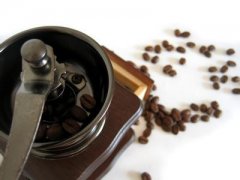
- Plate or Burr Grinders (Piston/Disc Type): These use two serrated metal plates that crush or press beans into grounds. Most manual grinders work this way. While they feel traditional, they generate significant heat due to metal friction.
- Cutter-Type Grinders (Roller or Blade-Type Crushers): Featuring two interlocking, perpendicular blades that slice rather than crush beans. Most modern electric burr grinders function this way. Their slicing action minimizes friction, reducing heat buildup during the grind.

Manual vs Electric: What Really Matters
Here’s how the two grinder types stack up in terms of grind quality and heat management:
| Type | Grind Uniformity | Heat Generation | Fine Particle Production |
|---|---|---|---|
| Manual (Plate/Burr) | Often uneven | High (can reach 500–1000°F) | Minimal fines |
| Electric (Cutter-Type) | More consistent | Low to moderate | More fines possible |
It’s a common misconception that slow manual grinding avoids heat. In truth, plate-style manual grinders often generate more friction heat than their electric counterparts. Cutter-type electric grinders, by slicing beans rather than crushing them, tend to stay much cooler during operation—even at higher speeds.
What This Means for Home Coffee Brewers
For most home users, the choice comes down to convenience and timing. If you’re grinding coffee right before brewing, the differences in heat and grind uniformity become less critical. But for coffee professionals or roasters supplying pre-ground coffee to customers who may brew hours or days later, minimizing heat and ensuring consistency is essential. That’s why many commercial operations invest in grinders engineered specifically to reduce thermal impact.
Frequently Asked Questions
Does a manual coffee grinder generate more heat than an electric one?
Yes. Despite grinding slowly, manual grinders that use metal plates to crush beans typically create more friction heat—sometimes reaching 500–1000°F—than electric cutter-type grinders, which slice beans and minimize heat buildup.
What’s the difference between a cutter-type and a plate-type grinder?
Cutter-type grinders use interlocking, rotating blades that slice coffee beans, generating less heat. Plate-type grinders crush beans between two serrated metal burrs, creating more friction and thus more heat during the grind.
Does grind heat really affect coffee flavor?
Yes. Excessive heat during grinding can vaporize aromatic compounds, leading to a loss of fragrance and a flatter-tasting cup. Keeping grind temperatures lower helps preserve the coffee’s volatile flavors.
Is a manual grinder bad for specialty coffee?
Not necessarily—but plate-style manual grinders are more prone to uneven grind size and heat generation, both of which can negatively impact extraction and aroma. They can still work well if used just before brewing.
Do electric grinders always make better coffee?
Not always, but electric cutter-type grinders generally offer more consistent grind size and lower heat generation, which helps protect aroma and improve extraction, especially for fresh or pre-ground coffee.
Which type of grinder is best for preserving coffee aroma?
Cutter-type electric burr grinders are best for minimizing heat and maintaining grind uniformity, both of which help preserve the delicate aromas that define high-quality coffee.
FrontStreet Coffee Picks for Heat-Sensitive Grinding
For coffee lovers focused on preserving freshness and aroma, try FrontStreet Coffee’s Ethiopia Humbera—a bright Ethiopian offering with floral and citrus notes, best enjoyed soon after grinding. Pair it with FrontStreet’s Yirgacheffe for a juicy, berries-and-stone-fruit experience that highlights the importance of low-heat grinding. Finish with the Brazil Queen Manor, a smooth, nutty Brazilian single origin that rewards careful, even grind preparation. All three showcase why grind quality and heat control matter. Freshly roasted within 5 days · Orders placed before 17:00 ship the same day · Next-day delivery across most of Guangdong Province.
FrontStreet Coffee is a long-established specialty coffee roaster in Guangzhou China, selling freshly roasted beans from its own farm in Yunnan as well as dozens of carefully selected single-origin beans from around the world for both pour-over and espresso. The products deliver consistently excellent quality and great value, with shipping within 24 hours. Guangzhou's FrontStreet Coffee shop is recommended by many coffee lovers, and the beans are now available online at the Tmall 。
Important Notice :
前街咖啡 FrontStreet Coffee has moved to new addredd:
FrontStreet Coffee Address: 315,Donghua East Road,GuangZhou
Tel:020 38364473