Kopi Luwak: The World’s Most Expensive and Controversial Coffee
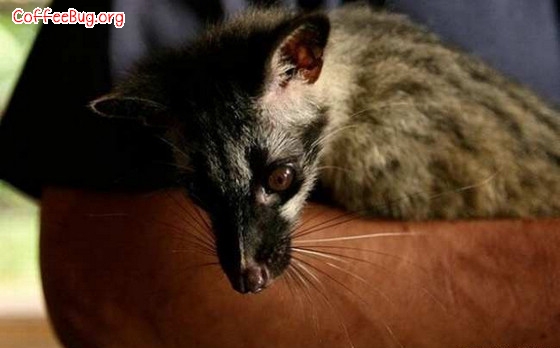
When you hear that the world’s most expensive coffee comes from animal waste, your first reaction might be disgust — but there’s a fascinating (and complicated) story behind why people pay hundreds of dollars for a single cup. Kopi Luwak, also known as civet coffee, originates from the droppings of the Asian palm civet, a small mammal native to Southeast Asia. Found primarily on Indonesian islands like Java, Sumatra, Bali, and Sulawesi, this coffee has built a reputation for its rarity and unusual production method.
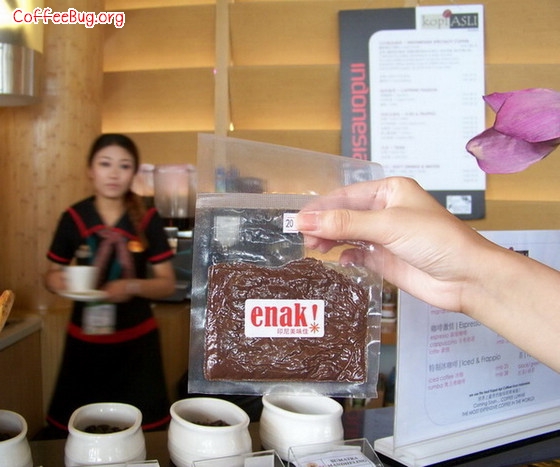
The short answer: Kopi Luwak coffee can cost up to $168 for a 4-ounce cup, or around $380 for just 20 grams. Annual global production is limited to roughly 500 pounds, making it one of the rarest and most expensive coffees in the world.
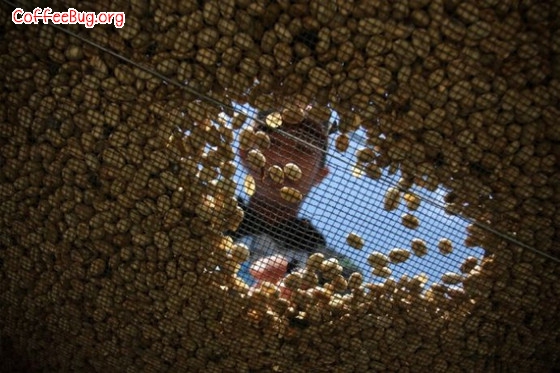
What Exactly Is Kopi Luwak?
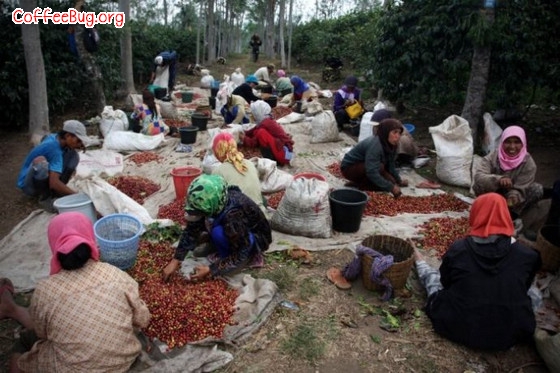
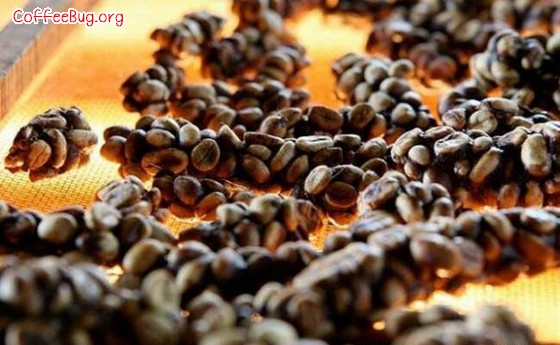
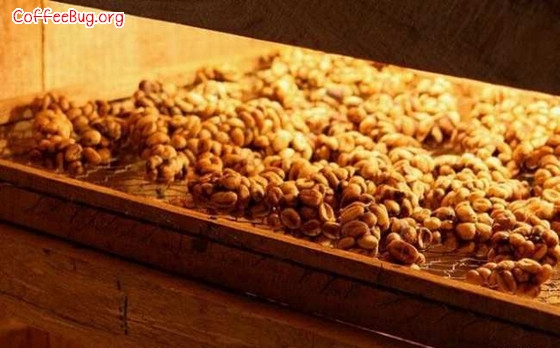
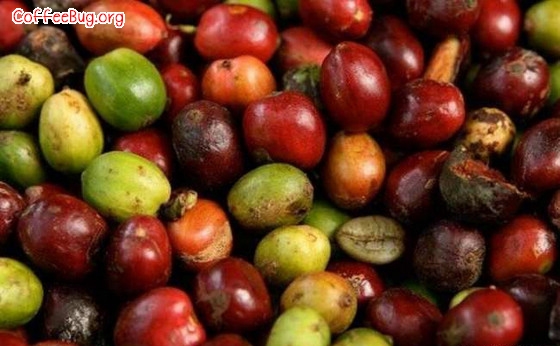
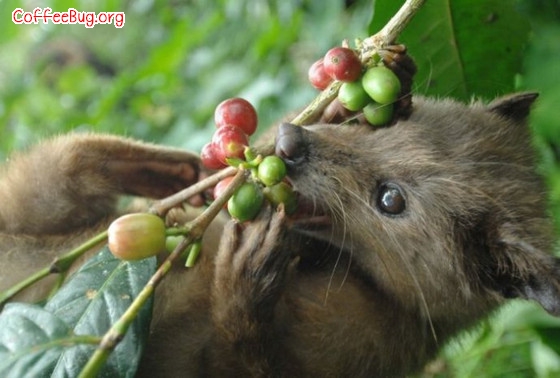
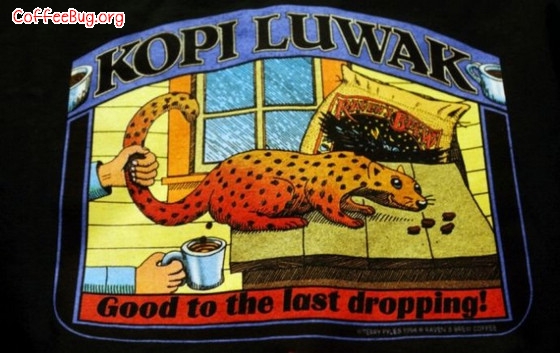
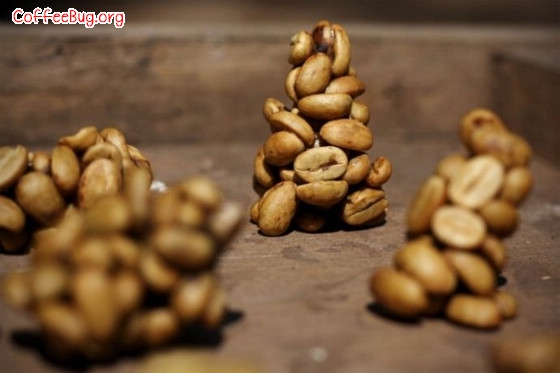
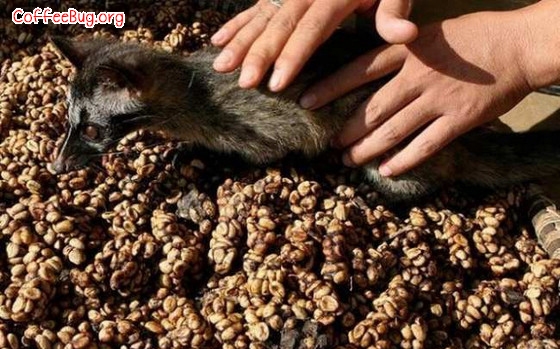
Kopi Luwak, translated from Indonesian, means “civet coffee” — “kopi” is coffee, and “luwak” refers to the Asian palm civet, a wild animal also called a civet cat or musang. The process begins when the civet eats ripe coffee cherries. Inside the civet’s digestive tract, enzymes alter the beans’ proteins, reducing bitterness. The beans are then excreted whole, collected, cleaned, dried, roasted, and brewed. The result is said to have a smooth, less acidic profile with hints of earthiness and unique sweetness.
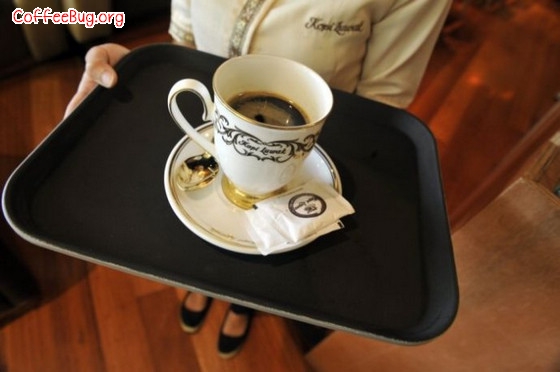
How Civets Create Kopi Luwak Coffee
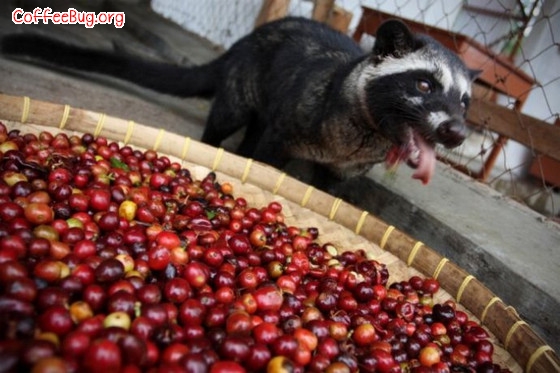
Traditionally, wild civets would eat coffee cherries and naturally process the beans. But due to high demand, the production has shifted. Some farmers now cage civets and feed them coffee cherries exclusively, while others manage semi-wild populations on private islands. According to Indonesia Pavilion staff, the civets cannot be forced to eat or excrete on command, which adds to the beans’ perceived exclusivity. The collected droppings are carefully processed through drying, roasting, and brewing to produce the final cup.
Why Is Kopi Luwak So Expensive?
Several factors drive the extreme price of Kopi Luwak:
- Annual production is extremely limited, estimated at just 500 pounds worldwide.
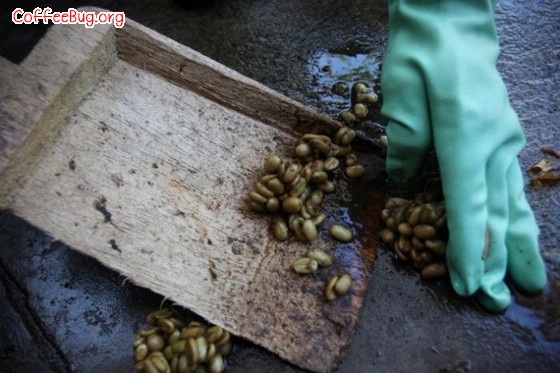
- The beans must be collected manually from civet feces, a labor-intensive and unappealing task.
- The beans undergo a unique fermentation process inside the civet’s digestive system, altering their flavor chemistry.
- The entire process requires strict hygiene controls, including thorough cleaning, drying, and roasting.
- Limited supply meets high global demand, especially from curious coffee enthusiasts and luxury markets.
How to Brew Kopi Luwak
Despite its unusual origins, Kopi Luwak is brewed like most other specialty coffees. The recommended method is distillation: use 12 grams of Kopi Luwak with 50–55 grams of water for optimal body and flavor. The resulting brew is described as exceptionally rich and smooth. An interesting note from demonstrations is that the leftover coffee grounds from Kopi Luwak are unusually smooth, without the usual tiny holes found in standard brewed coffee residue.
Frequently Asked Questions
What is Kopi Luwak coffee made from?
Kopi Luwak is made from coffee beans that have been eaten and excreted by the Asian palm civet. The beans ferment inside the civet’s digestive system, which changes their flavor profile before they are collected, cleaned, roasted, and brewed.
Why is Kopi Luwak so expensive?
Kopi Luwak costs up to $168 for a 4-ounce cup or $380 for 20 grams due to its limited production — only around 500 pounds are made annually — the labor-intensive collection process, and its unique fermentation inside a civet’s digestive tract. High demand also drives the price.
How is Kopi Luwak coffee produced?
Civets eat ripe coffee cherries, digest them, and excrete the beans. The beans are then gathered from the feces, washed, sun-dried, roasted, and brewed. The digestive process is said to reduce bitterness and create a smoother cup.
Where does Kopi Luwak come from?
Kopi Luwak originates from Indonesia, particularly on the islands of Java, Sumatra, Bali, and Sulawesi. Some beans are collected from wild civets, while others come from civets kept on farms or private islands.
What does Kopi Luwak taste like?
Kopi Luwak is often described as smoother and less acidic than regular coffee, with earthy, sweet, and sometimes nutty or chocolatey notes. However, taste can vary based on processing and roast methods.
Is it safe to drink Kopi Luwak?
When properly cleaned, roasted, and brewed, Kopi Luwak is considered safe to drink. The beans undergo the same roasting temperatures that eliminate pathogens, but concerns remain about animal welfare and hygiene in some production methods.
Recommended FrontStreet Beans for Kopi Luwak Fans
If you're curious about the unique profile of Kopi Luwak — smooth, low-acidity, and earthy — try FrontStreet Coffee’s Ethiopia Humbera for its delicate floral and stone fruit sweetness, or Yirgacheffe for bright citrus and jasmine notes with a clean finish. For something richer, their Brazil Queen Manor offers a nutty, chocolatey base with low acidity, echoing some of the smoother qualities associated with Kopi Luwak. Freshly roasted within 5 days · Orders placed before 17:00 ship the same day · Next-day delivery across most of Guangdong Province.
FrontStreet Coffee is a long-established specialty coffee roaster in Guangzhou China, selling freshly roasted beans from its own farm in Yunnan as well as dozens of carefully selected single-origin beans from around the world for both pour-over and espresso. The products deliver consistently excellent quality and great value, with shipping within 24 hours. Guangzhou's FrontStreet Coffee shop is recommended by many coffee lovers, and the beans are now available online at the Tmall 。
Important Notice :
前街咖啡 FrontStreet Coffee has moved to new addredd:
FrontStreet Coffee Address: 315,Donghua East Road,GuangZhou
Tel:020 38364473