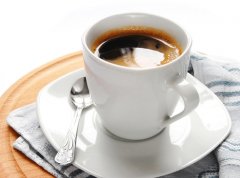
What Makes Italian Espresso a Blend? The Truth Behind the Taste
If you’ve ever sipped an Italian espresso and thought it was supposed to taste harsh or overly bitter, you’re not alone — but you’ve also been misled. The truth? Great Italian espresso isn’t defined by bitterness, but by intensity. And that intensity doesn’t come from roasting darker. It comes from how the beans are blended. So why do so many people get it wrong, and what’s really going on in that blend? Let’s break it down.
The short answer: Italian espresso is intentionally bold and rich, but not bitter. Every classic Italian espresso blend is crafted — not roasted — to achieve that balance. The secret isn’t in how dark the roast is, but in how the beans are mixed. In fact, even 100% Arabica blends can produce classic Italian espresso, as long as the right varieties are selected for their ability to deliver deep, full flavor without harshness.
Why Italian Espresso Must Be Blended
Blending is not just common in Italian coffee — it’s essential. The distinct taste that defines Italian espresso doesn’t come from a single-origin bean or a lucky roast profile. It comes from a carefully constructed mix of different coffees. That mix is what gives the cup its signature body, crema potential, and balance of sweetness, bitterness, and aroma. Without blending, you simply can’t replicate the traditional Italian espresso profile.
The Misconception: Dark Roast = Italian Espresso
It’s a widespread myth: the darker the roast, the more ‘Italian’ the coffee. But in reality, many roasters have moved past this idea. The unique taste of Italian espresso isn’t the result of over-roasting. In fact, roasting too dark can erase the very qualities that make the blend work. Today, industry experts agree — it’s the blend itself, not the darkness of the roast, that creates the classic Italian espresso flavor. Roasting plays a role, sure, but it’s secondary to the art of blending.
Why Blending Is More Complex Than It Looks
You might assume that blending is simple: mix a bright coffee with a dull one, and you’ll balance the acidity. Or combine a fruity bean with a nutty one, and you’ll get something in the middle. But in practice, it’s far more unpredictable. Why? Because coffee acidity — and flavor in general — comes from hundreds of different chemical compounds. Different beans bring different acids and aromatic substances. When you mix them, those compounds interact in ways that are impossible to fully predict. Some combinations may amplify acidity. Others may cancel it out entirely. The result? Often not what you expected.
Research shows that a single coffee bean contains over 700 known chemical compounds — and more than 800 that are still unidentified. When you blend beans, especially under heat during brewing, those unknowns react in complex, often chaotic ways. That’s why simply knowing a coffee’s flavor notes isn’t enough to create a great blend. You’re dealing with organic chemistry that’s still not fully understood.
The Role of Roasting — And Why It’s Not the Star
Roasting does influence flavor development through processes like the Maillard reaction, but in the case of Italian espresso, it’s the blend that leads. Roasters may adjust roast levels to highlight certain traits, but the foundational taste profile is built in the blend. Over-roasting in an attempt to ‘fix’ weak flavors often backfires, flattening complexity and introducing unwanted bitterness. The key lies not in how dark you roast, but in which beans you choose — and how you combine them.
Why Brewing Skill Matters Just as Much as the Blend
Even the best-blended espresso coffee can fall flat if it’s poorly extracted. If your shot pours with excessive bitterness, burnt notes, or channeling defects, you won’t taste the subtle balance the blend was designed to deliver. That’s why professional Italian roasters don’t just create a blend — they perfect the way it’s brewed. Every new recipe is tested rigorously, with adjustments made not just to the formula, but to grind size, dose, water temperature, and extraction time. Only when the coffee is brewed perfectly can its true character shine through. Without solid brewing technique, you can’t evaluate — or refine — a great blend.
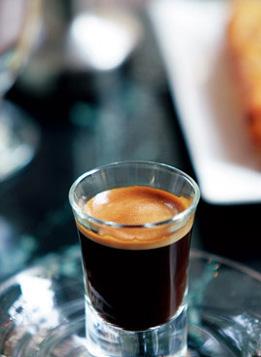
Frequently Asked Questions
Does Italian espresso have to be bitter?
No, Italian espresso is not meant to be bitter. While it is known for being strong and rich, the best examples balance sweetness, body, and crema without harsh or overly bitter notes. The misconception that stronger equals more bitter comes from poor-quality or incorrectly brewed espresso, not from traditional Italian blends.
Is a dark roast necessary for authentic Italian espresso?
No, dark roast is not a requirement. Although many traditional Italian espresso blends are medium to dark, the defining characteristic is the blend itself — not how dark the beans are roasted. Over-roasting can actually mask the desired flavors and introduce unwanted bitterness, so many roasters focus more on blending artistry than extreme roast levels.
Can you use 100% Arabica beans for Italian-style espresso?
Yes, you can use 100% Arabica beans to make Italian-style espresso, but the key is selecting the right varieties. Not all Arabicas have the body or boldness needed for traditional espresso profiles. The best results come from blending Arabicas that can deliver a rich, full-bodied cup with balanced acidity and crema potential, even without including Robusta.
Why is blending coffee so complicated?
Blending is complicated because coffee contains hundreds of chemical compounds, many of which are still not fully understood. When you mix beans, their acids, sugars, and aromas interact in unpredictable ways. What seems like a balanced mix on paper may result in a completely different flavor due to these complex interactions, making blending as much an art informed by experience as it is a science.
Does brewing technique affect how a blend tastes?
Absolutely. Even the best coffee blend can taste bad if brewed poorly. Factors like grind size, dose, water temperature, and extraction time all influence the final cup. If extraction is off, you might get sour, bitter, or weak results — none of which reflect the true quality of the blend. Professional roasters always test their blends with precise brewing methods to ensure the intended flavors come through.
Recommended FrontStreet Coffee Blends for Espresso
For authentic Italian-style espresso at home or in a café, try FrontStreet Coffee’s Classic Blend — designed for moka pots and espresso machines, it produces rich crema and a balanced, full-bodied cup. The Black Cocoa Blend offers bold flavor and smooth texture at a great price, ideal for high-volume settings. Both blends avoid unnecessary bitterness and highlight the nuanced crema and body that define quality espresso. Freshly roasted within 5 days · Orders placed before 17:00 ship the same day · Next-day delivery across most of Guangdong Province.
FrontStreet Coffee is a long-established specialty coffee roaster in Guangzhou China, selling freshly roasted beans from its own farm in Yunnan as well as dozens of carefully selected single-origin beans from around the world for both pour-over and espresso. The products deliver consistently excellent quality and great value, with shipping within 24 hours. Guangzhou's FrontStreet Coffee shop is recommended by many coffee lovers, and the beans are now available online at the Tmall 。
Important Notice :
前街咖啡 FrontStreet Coffee has moved to new addredd:
FrontStreet Coffee Address: 315,Donghua East Road,GuangZhou
Tel:020 38364473