How to Use a Siphon Coffee Maker: Step-by-Step Guide
If you’ve ever wanted to try a coffee brewing method that looks like a chemistry experiment, the siphon (or vacuum) coffee maker delivers just that—plus a uniquely flavorful cup. But its complexity and cleaning demands often scare beginners away. Here’s everything you need to know to make a proper siphon brew at home.
To brew one serving of siphon coffee, use 15g of medium-fine ground coffee (like sugar but slightly finer), 160ml of off-boil water, and follow a 1-minute process with two or three gentle stirs. It’s fast, theatrical, and produces a clean, aromatic cup—once you get the hang of it.
What Is a Siphon Coffee Maker?
Also called a vacuum or siphon pot, the siphon coffee maker was invented in Britain and refined in Japan. Before espresso machines became common, it was widely used in Europe—but its fragile glass construction led to its decline there. Today, it remains popular mainly in Japan, Taiwan, and China, where enthusiasts enjoy the precision and visual drama of the brew.
Why Use a Siphon Coffee Maker?
The siphon method produces a smooth, aromatic cup with clarity that highlights nuanced flavors in high-quality single-origin beans. Many users say it’s especially well-suited to beans like Jamaica Blue Mountain. The technique also allows you to adjust brew variables—like agitation and heat control—to highlight different characteristics in the coffee.
However, it requires some skill to operate, takes practice to master, and is more difficult to clean than other brewers. The glassware is fragile, and the cloth filter needs regular replacement. If you’re up for a little theatrical brewing—and don’t mind the cleanup—it’s a rewarding method.
How to Use a Siphon Coffee Maker (Step-by-Step)
Here’s a straightforward method to brew one cup of siphon coffee. All measurements, timings, and techniques come directly from experienced use.
What You’ll Need
- Coffee: 15g (add 10g per additional person; adjust to taste for specific beans)
- Grind Size: Medium-fine (slightly finer than table salt, akin to sugar but a bit more powdery)
- Water: 160ml (for one serving; use filtered or pure water, not boiling)
- Heat Source: Typically an alcohol lamp (pre-warm water if using alcohol to speed things up)
- Siphon Brewer: A standard 2-cup (300–400ml) siphon setup with a cloth filter and hook
Step 1: Prep the Lower Chamber
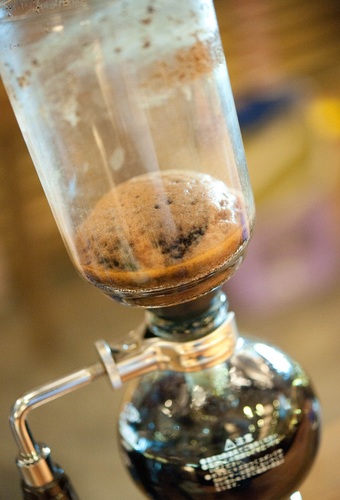
Pour 160ml of room-temperature or slightly pre-heated water into the lower chamber. If using an alcohol lamp, starting with hot water helps speed the boil. For your first tries, measure the water level directly rather than relying solely on markings, as these can vary by individual usage and brewer design.
Step 2: Wipe the Lower Globe
Use a dry cloth to thoroughly wipe any water droplets off the outside of the lower globe. Water left on the exterior can cause the glass to crack when heated.
Step 3: Assemble & Heat
Ignite the alcohol lamp (or other heat source) to begin heating the water in the lower chamber. While it heats, insert the cloth filter’s hook into the top chamber’s tube and secure it over the opening. Forgetting this step is a common error—it leads to an unsealed brew chamber and grounds in your coffee.
Step 4: Add Coffee & Attach Top Chamber
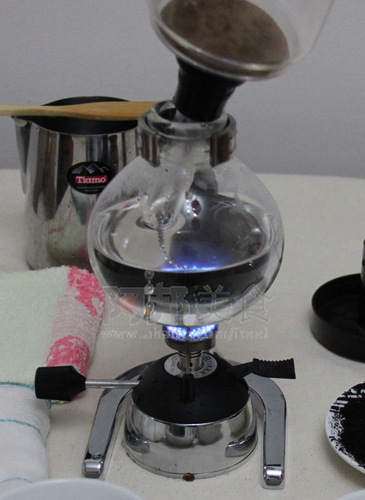
Add your 15g of medium-fine ground coffee to the upper chamber. Then attach the upper chamber to the lower one—but do not press it down fully. Insert it at an angle initially, allowing a slight gap so the seal isn’t completed yet.
Step 5: Initiate the Siphon Effect
Once you see a steady stream of bubbles rising in the lower chamber (indicating boiling), carefully push the upper chamber down until it seals fully. Soon, water will begin rising into the top chamber due to vapor pressure.
Step 6: First Stir (At ~2/3 Fill)
When about two-thirds of the water has risen into the upper chamber, begin your first stir. Use a gentle, circular motion—5 to 8 times is ideal for beginners. This ensures even contact between coffee grounds and water.
Step 7: Adjust Heat
After the first stir, reduce the flame slightly to maintain a calm, bubble-free extraction. Too little heat may cause the water to fall back down; too much risks bubbling and uneven extraction. Finding the balance takes practice.
Step 8: Second Stir (Optional)
At around the 25–30 second mark, perform a second stir. This one is optional, but if you choose to do it, use just 2–3 gentle circles. Keep the motion soft to avoid disrupting the extraction balance.
Step 9: Final Stir & Remove Heat
At 40–45 seconds total (roughly 15–20 seconds after the second stir), turn off the heat. Immediately perform a third, final stir—3 to 5 gentle circles. Some brewers prefer to stir just before turning off the heat, then stir again as the flame goes out.
Step 10: Cool & Trigger Drawdown
Right after turning off the heat, use a damp cloth to gently wipe the outer surface of the lower chamber. This speeds cooling and encourages faster drawdown of the coffee back into the bottom. Avoid wiping near the coffee liquid to prevent unnecessary cooling of the brew.
Step 11: Remove the Upper Chamber
Hold the base of the lower chamber securely (ideally with a finger on any tightening nut if present). With your other hand, grip the top chamber and gently swirl it while pulling upward. The upper chamber should release cleanly, leaving your brewed coffee in the lower globe.
That’s it—you’ve just brewed siphon coffee. The whole process typically takes under a minute of active time once the water is hot.
Cleaning & Maintenance
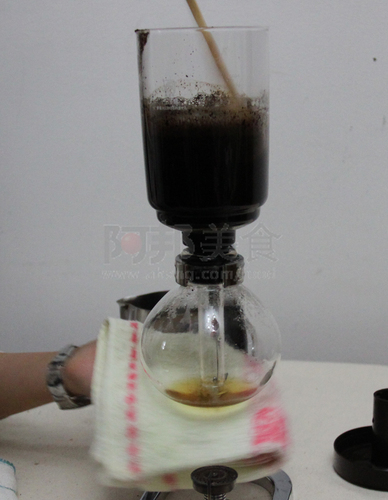
Cleaning a siphon coffee maker requires extra care. The glass components are fragile, and the cloth filter must be rinsed immediately after use and replaced regularly to maintain performance. Avoid using overly hot water or abrasive scrubbers on the glass. Let all parts cool completely before disassembling for cleaning.
Which Coffee Beans Work Best?
Siphon brewing is ideal for high-quality single-origin beans. The method highlights subtle flavors, making it a favorite for beans like Jamaica Blue Mountain. Many enthusiasts find that bright, clean coffees with distinct fruity or floral notes shine through beautifully with this method.
Frequently Asked Questions
How much coffee do I use in a siphon coffee maker?
Use 15g of coffee for one serving. Add roughly 10g more per additional person, adjusting based on bean origin and your taste preferences.
What grind size is best for siphon brewing?
A medium-fine grind, similar to sugar but slightly finer, is ideal—comparable to table salt but with a bit more texture.
How long does siphon coffee brewing take?
The active brewing time is very fast, usually completed in under 1 minute once the water begins heating.
Do I really need to stir during siphon brewing?
Yes. Most methods include three gentle stirs: one at 2/3 fill (5–8 circles), an optional second at 25–30 seconds (2–3 circles), and a final one just before removing heat (3–5 circles).
Can I use any heat source for a siphon coffee maker?
Alcohol lamps are most common, but you can also use butane or electric heaters. If using alcohol, pre-warming the water helps speed the process.
How do I clean a siphon coffee maker properly?
Clean all glass parts while they’re still warm but not hot. Rinse the cloth filter immediately and let all components air-dry. Replace the filter cloth regularly to maintain brew quality.
Recommended FrontStreet Single Origins for Siphon Brewing
For siphon brewing, we recommend FrontStreet’s Ethiopia Guji Huacheng—bright and juicy with citrus and blueberry notes—or their Colombia Huila Popayan, offering balance with caramel and almond tones. Both are high-scoring single origins that highlight the clarity and flavor separation the siphon method is known for. Freshly roasted within 5 days · Orders placed before 17:00 ship the same day · Next-day delivery across most of Guangdong Province.
FrontStreet Coffee is a long-established specialty coffee roaster in Guangzhou China, selling freshly roasted beans from its own farm in Yunnan as well as dozens of carefully selected single-origin beans from around the world for both pour-over and espresso. The products deliver consistently excellent quality and great value, with shipping within 24 hours. Guangzhou's FrontStreet Coffee shop is recommended by many coffee lovers, and the beans are now available online at the Tmall 。
Important Notice :
前街咖啡 FrontStreet Coffee has moved to new addredd:
FrontStreet Coffee Address: 315,Donghua East Road,GuangZhou
Tel:020 38364473