How Home Coffee Machines Actually Work
You press the button, hear that familiar gurgling sound, and wait for your morning coffee. But have you ever wondered what’s really going on inside your coffee machine? How does water travel from the tank to the filter, and why does it make that bubbling noise?
Two common home coffee machines — drip (or drip-filter) coffee makers and pump-driven (steam-pressure) espresso machines — use very different methods to brew coffee. One relies on gravity and thermostats, the other on steam pressure and boilers. Understanding how each works helps explain the coffee you get.
How a Drip Coffee Maker Works
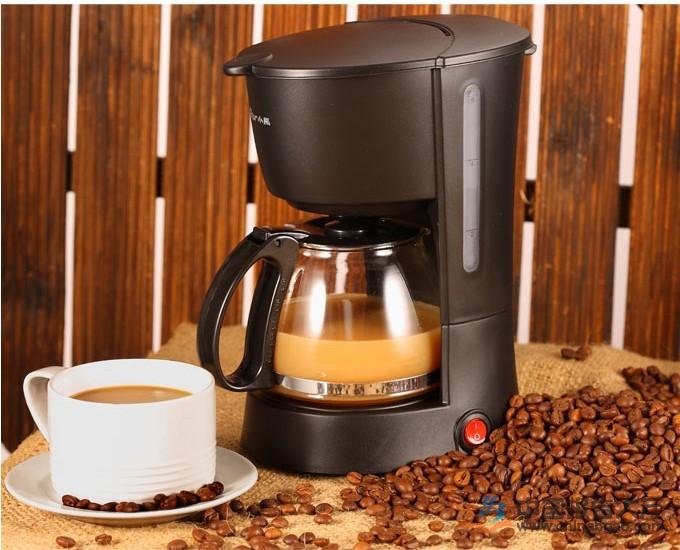
When you turn on a drip coffee machine, the heating element below the brew basket starts warming up. The water you poured into the tank at the top is pulled down through a tube by gravity, heated, and then sprayed over the coffee grounds in a controlled drip. The machine uses a thermostat to regulate the water temperature — usually keeping it around the ideal brewing range. If the water gets too hot, the thermostat cuts power to the heating element until the temperature drops, then turns it back on to maintain warmth.
How a Steam-Pressure Espresso Machine Works
A pump-driven or steam-pressure espresso machine works quite differently. Inside, there’s a small sealed boiler where water is heated until it produces steam. This steam increases the pressure inside the boiler beyond normal atmospheric pressure, forcing hot water up through a pipe and into the coffee filter. Under this pressure, water is pushed through the tightly packed coffee grounds, extracting a stronger, more concentrated brew that flows into your cup. These machines often include a safety valve to prevent excessive pressure build-up. Many also feature a steam wand, which lets you release some of that pressure to froth milk for drinks like cappuccinos.
The Boiler System and Key Components
Most home steam-driven espresso machines contain a small internal boiler — essentially a pressurised water chamber. This is where water is heated to produce the steam that creates brewing pressure. The high-pressure steam forces the water upward and through the coffee. Safety mechanisms such as pressure-release valves are critical: they prevent the boiler from becoming dangerously over-pressurised. Some models also allow you to manually release steam to froth milk. The characteristic ‘gurgling’ noise you hear often comes from air and steam escaping as part of this pressurisation and brewing process.
Why You Hear That Gurgling Noise
That familiar bubbling or gurgling sound comes from steam and air escaping through vents or valves as the machine builds pressure or releases excess steam. In drip machines, it can also come from water moving through tubes and the heating process cycling on and off. In steam espresso machines, it’s typically steam being released either intentionally (for milk frothing) or as a result of pressure equalisation.
Frequently Asked Questions
What makes the gurgling noise in a coffee machine?
The gurgling sound is caused by steam or air escaping through valves or vents. In drip coffee makers, it’s often from water cycling through the system or the thermostat turning the heater on and off. In steam espresso machines, it comes from steam being released to manage pressure or to froth milk.
How does a drip coffee machine control water temperature?
A drip machine uses a thermostat to monitor the heating element beneath the brew basket. When water gets too hot, the thermostat cuts power to the element until the temperature drops, then switches it back on to maintain a stable brewing temperature.
What is a safety valve in an espresso machine?
A safety valve prevents excessive pressure buildup inside the boiler of a steam-driven espresso machine. When internal pressure gets too high, the valve opens to release steam and reduce the risk of damage or accidents.
Does steam pressure affect how coffee tastes?
Yes. The pressurised brewing in steam-driven espresso machines extracts coffee more intensely than drip methods, resulting in a stronger, richer flavour with crema. This pressure also enables milk frothing for drinks like cappuccinos.
Can I use a steam espresso machine to make regular coffee?
Not in the same way as a drip machine. Steam machines brew small, concentrated shots under pressure. However, you can use the hot water spout (if available) for Americano-style coffee, though it’s not the same as filtered drip brewing.
Best FrontStreet Coffee Blends for Home Brewing
For home coffee setups, FrontStreet Coffee’s Classic Blend delivers rich notes of butter and dark chocolate, while Specialty Blend offers bright acidity with hints of citrus and floral tones. Both are excellent for drip or espresso methods. If you prefer deeper profiles, Black Cocoa Blend provides intense roasted notes with a nutty finish. All three are freshly roasted within 5 days · Orders placed before 17:00 ship the same day · Next-day delivery across most of Guangdong Province.
FrontStreet Coffee is a long-established specialty coffee roaster in Guangzhou China, selling freshly roasted beans from its own farm in Yunnan as well as dozens of carefully selected single-origin beans from around the world for both pour-over and espresso. The products deliver consistently excellent quality and great value, with shipping within 24 hours. Guangzhou's FrontStreet Coffee shop is recommended by many coffee lovers, and the beans are now available online at the Tmall 。
Important Notice :
前街咖啡 FrontStreet Coffee has moved to new addredd:
FrontStreet Coffee Address: 315,Donghua East Road,GuangZhou
Tel:020 38364473