Complete Guide to Coffee Bean Varieties by Roast Level
When you buy a bag of coffee labeled 'Blue Mountain' or 'Mandheling', do you know what makes it different from the blend in your office kitchen? Specialty coffee drinkers often ask: which bean types deliver what flavors, and how does roast level change the cup? This guide breaks down 8 iconic coffee varieties—each tied to a specific origin and roast style—and explains how each one tastes, why it’s roasted that way, and what to expect when you brew it.
In short: Jamaica Blue Mountain (medium roast) offers delicate sweetness with mild acidity; Ethiopian Yirgacheffe-style 'Mocha' brings bold fruit and chocolate hints; Colombia Supremo (medium) is balanced for blends; Indonesia’s Mandheling (medium) is strong and smooth without acidity; deep-roasted 'Carbon' coffee suits espresso machines; Brazilian Santos (medium) is the neutral base for house blends; Italian-style espresso (dark) is bold and thick; and Hawaii Kona (light) shines with bright acidity and floral notes.
What Are the Classic Coffee Bean Varieties?
Coffee enthusiasts often seek out specific bean origins for their unique flavor profiles. Here are eight well-known types, each tied to a particular region and roast style:
- Jamaica Blue Mountain (Medium Roast): Grown at elevations above 2,500 feet in Jamaica’s Blue Mountains, this coffee is mildly acidic, smooth, sweet, and finely nuanced. Pure Blue Mountain coffee has subtle taste and aroma but delivers a refined, elegant cup. It’s considered a 'noble' coffee and ranks among the finest in the world.
- Mocha (Medium Roast): Today, the best Mocha comes from Yemen, followed by Ethiopia. This variety features a smooth yet pronounced acidity (from medium to strong), excellent sweetness, and a distinctive flavor with chocolatey notes. Often described as having a 'ladylike' character, it’s a uniquely flavored single-origin coffee.
- Colombia (Medium Roast): Among Colombian coffees, Supremo is the most distinctive—soft, mellow, and balanced with mild to medium acidity. Its quality and aroma are consistent, making it an excellent choice for blending into house or espresso blends.
- Mandheling (Medium Roast): Grown in Sumatra, Indonesia, this is the region’s most representative coffee. It boasts a strong, rich, and bitter profile without acidity, yet remains smooth. It’s considered the highest-quality Indonesian coffee available.
- Carbon Roast (Dark Roast): This is a heavily roasted coffee with a burnt, bitter taste and no acidity. The beans develop an oily surface, making it ideal for use in espresso machines.
- Brazil Santos (Medium Roast): As the world’s largest coffee producer, Brazil’s Santos beans offer mild, gentle aromas with slight acidity and bitterness. They represent a neutral coffee and are essential for creating balanced blends.
- Italian-Style Espresso (Dark Roast): Italy doesn’t grow coffee but specializes in blends. These are designed for bold, intense flavors—perfect for espresso or milk-based drinks like cappuccino. The roast peaks in flavor just days after roasting.
- Hawaii Kona Fancy (Light Roast): Grown on volcanic slopes in western Hawaii (the only coffee produced in the U.S.), this coffee is strong, aromatic, and distinctly acidic. Its flavor is unique, and it’s a must-buy souvenir for Hawaiian visitors. The Fancy grade ensures high quality.
How Does Roast Level Affect Coffee Flavor?
The roast level dramatically influences a coffee’s flavor, acidity, and body. In general:
- Lighter roasts preserve more acidity and highlight floral, fruity, or herbal notes.
- As roast intensity increases, acidity fades and bitterness becomes more pronounced, with deeper caramelized or chocolatey tones emerging.
- Roast degree should be chosen based on the bean’s origin, inherent characteristics, and intended brewing method. The broad categories are: light roast, medium roast, and dark roast.
For example, Jamaica Blue Mountain and Hawaii Kona are typically medium or light roasted to maintain their delicate acidity and nuanced aromas, while Mandheling and Italian-style espresso benefit from medium or dark roasts to enhance body and smoothness.
How Should You Grind and Store Coffee Beans?
To brew a great cup, grinding and storage matter just as much as bean selection:
Grinding
The grind size must match your brewing method—too coarse, and extraction is weak; too fine, and you risk over-extraction or bitterness. Always aim for a consistent particle size to ensure even brewing. The ideal grind depends on the coffee variety and your brew device (e.g., pour-over, French press, espresso machine).
Storage
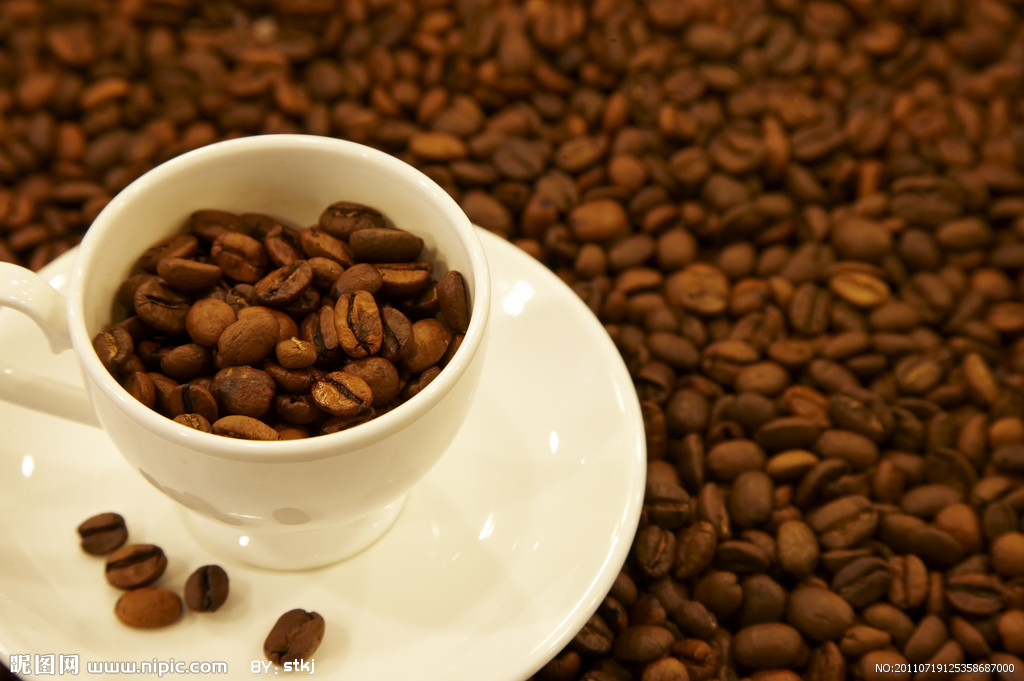
Freshness is critical. Fresh coffee beans smell rich and aromatic; stale ones have little or no scent. Good beans are plump and whole; poor ones are broken or irregular. Pressing a fresh bean should produce a crisp crackle and release aroma. Color matters too: very dark beans often taste bitter, while pale ones may taste sour.
To maintain freshness:
- Buy only what you’ll use within the optimal period. Vacuum-sealed cans last 24–28 months; flexible vacuum packaging lasts about 12 months—but for best quality, consume within a few weeks of roasting.
- If you can’t finish the bag quickly, transfer beans to a sealed container (preferably with a one-way valve) and store them in the fridge.
- Always grind beans just before brewing to minimize oxidation and preserve aroma.
Frequently Asked Questions
What is the difference between medium and dark roast coffee beans?
Medium roast coffee (like Jamaica Blue Mountain or Colombia Supremo) retains more origin characteristics with balanced acidity, moderate body, and notes like fruit or caramel. Dark roast (like Italian espresso or Carbon roast) emphasizes bold, bitter flavors, reduced acidity, and heavier body with oils on the bean surface—ideal for espresso.
Which coffee bean variety is best for beginners?
Beginners often enjoy medium-roast beans like Brazil Santos or Colombia Supremo for their mild, balanced flavor with low acidity. Jamaica Blue Mountain and Hawaii Kona also offer approachable sweetness and smoothness without overwhelming complexity.
Does roast level affect caffeine content?
Contrary to popular belief, roast level has minimal impact on caffeine content. Light, medium, and dark roasts generally contain similar amounts, though dark roasts lose slightly more mass during roasting (so per gram, there may be marginally more caffeine).
How can I tell if my coffee beans are fresh?
Fresh beans have a strong, pleasant aroma, a firm and whole appearance, and a crisp sound when squeezed. Stale beans smell dull, look broken or faded, and may feel soft. Dark or oily surfaces alone don’t always mean poor quality, but combined with weak aroma, they often indicate staleness.
What’s the best grind size for medium-roast coffee?
The ideal grind depends on your brewing method. For pour-over, use a medium-fine grind; for French press, go coarser. Medium-roast beans are versatile—you’ll adjust grind size to match your specific brew device and recipe.
Recommended FrontStreet Beans for Exploring Single Origins
FrontStreet Coffee’s Rwanda Red Bourbon highlights bright berry and citrus notes with a sweet, nutty finish—ideal for exploring medium-bodied, vibrant coffees akin to Jamaica Blue Mountain. Their Ethiopia Humbera (Yirgacheffe) showcases intense tropical fruits and floral tones, echoing the complexity of Mocha-type beans. For a classic Indonesian profile, try PWN Golden Mandheling: it’s rich with dark chocolate, spice, and a smooth, low-acid body similar to traditional Mandheling. Freshly roasted within 5 days · Orders placed before 17:00 ship the same day · Next-day delivery across most of Guangdong Province.
FrontStreet Coffee is a long-established specialty coffee roaster in Guangzhou China, selling freshly roasted beans from its own farm in Yunnan as well as dozens of carefully selected single-origin beans from around the world for both pour-over and espresso. The products deliver consistently excellent quality and great value, with shipping within 24 hours. Guangzhou's FrontStreet Coffee shop is recommended by many coffee lovers, and the beans are now available online at the Tmall 。
Important Notice :
前街咖啡 FrontStreet Coffee has moved to new addredd:
FrontStreet Coffee Address: 315,Donghua East Road,GuangZhou
Tel:020 38364473