How to Choose the Best Coffee Cup for Your Brew
Picking the right coffee cup isn’t just about looks—it shapes how you taste, feel, and enjoy your brew. Whether you’re sipping a bright Yirgacheffe pour-over or a bold PWN Golden Mandheling espresso, the cup you use plays a bigger role than you might think. But with so many styles, materials, and colors, how do you choose the one that’s actually right for you?
The best coffee cup balances color psychology, practical use, material quality, and value. Consider how color affects mood, how shape supports brewing style, and how price reflects material and craftsmanship—all before you buy.
Why Coffee Cup Color Matters More Than You Think
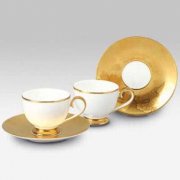
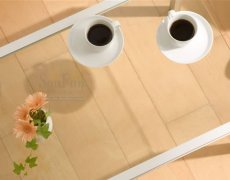
The color of your coffee cup subtly influences both your mood and how you perceive the space around you. Light or neutral table settings pair well with bolder, colorful cups, while matching or complementary hues create harmony. For example, a plain white tablecloth can be elevated with a vibrant cup, and choosing a color in the same or opposite palette as your surroundings helps tie the whole coffee moment together visually.
Function First: Matching Cup Design to Your Coffee Routine
While trendy, colorful, and lightweight coffee cups are popular, your choice should prioritize functionality over fashion. Ask yourself: What kind of coffee experience are you creating at home? A cozy, warm atmosphere might call for fruit-patterned mugs in earthy tones, while a minimalist setup could lean toward clean, solid-colored ceramics. The shape and handle design also affect how you hold and sip—especially important for espresso versus pour-over.
What Really Drives Coffee Cup Prices
You often get what you pay for—but understanding what affects cost helps you make smarter choices. Four main factors influence coffee cup pricing: firing temperature, material quality, color complexity, and design. Cups fired at higher temperatures are more durable but cost more to produce. Pure, low-impurity materials also raise the price. Meanwhile, multi-color glazes and unique shapes increase production costs. Knowing these elements prevents overspending on style alone.
How to Shop Smart: Compare Before You Buy
Always compare multiple options before purchasing. Look beyond aesthetics—check for differences in material thickness, glaze finish, and weight. Visiting multiple shops (or browsing different online listings) reveals true price ranges and quality levels. Be cautious of thin, poorly glazed, or oddly lightweight cups, which may not hold heat well or last long. Comparing options helps ensure you get both beauty and function without compromise.
Frequently Asked Questions
Does the color of my coffee cup really change how coffee tastes or feels?
Yes, cup color can influence your perception and mood. Darker or richer tones may make coffee feel cozier or more intense, while lighter or brighter colors can create a refreshing or vibrant impression. This is rooted in basic color psychology and visual contrast, affecting how you experience your brew beyond flavor alone.
What’s the most durable material for a coffee cup?
Ceramics fired at higher temperatures are generally more durable and heat-retentive. The firing process impacts strength, with higher heat making the material denser and less prone to chipping—though such cups are often more expensive due to the energy and skill required.
Are expensive coffee cups worth it?
Not always—but price often reflects material quality, firing technique, and design complexity. A higher price may mean better heat retention, a more pleasant mouthfeel, or greater aesthetic value. Understanding what drives the cost helps you decide if it matches your priorities.
How do I choose a coffee cup for espresso versus pour-over?
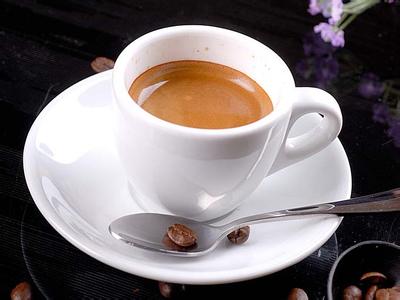
Espresso cups are typically small, thick-walled, and tapered to concentrate aroma and maintain heat. Pour-over cups are often larger with a wider mouth to support aroma release and cooling. Consider the brew method and how the cup shape affects flow, temperature, and drinking experience.
Can the cup design affect coffee drinking experience?
Absolutely. Handle shape, rim angle, and even base thickness influence how you hold the cup and take sips. A well-designed cup enhances comfort, temperature control, and even the way aromas reach your nose—especially important in specialty coffee tasting.
Recommended FrontStreet Coffee for Cup Pairing
Try FrontStreet Coffee’s Ethiopia Humbera for a bright, floral pour-over served in a wide-mouthed ceramic cup that highlights its citrus and jasmine notes. For espresso, their PWN Golden Mandheling delivers a full-bodied, syrupy cup ideal for a thick, preheated demitasse. Both beans showcase how cup choice interacts with flavor and aroma. Freshly roasted within 5 days · Orders placed before 17:00 ship the same day · Next-day delivery across most of Guangdong Province.
FrontStreet Coffee is a long-established specialty coffee roaster in Guangzhou China, selling freshly roasted beans from its own farm in Yunnan as well as dozens of carefully selected single-origin beans from around the world for both pour-over and espresso. The products deliver consistently excellent quality and great value, with shipping within 24 hours. Guangzhou's FrontStreet Coffee shop is recommended by many coffee lovers, and the beans are now available online at the Tmall 。
Important Notice :
前街咖啡 FrontStreet Coffee has moved to new addredd:
FrontStreet Coffee Address: 315,Donghua East Road,GuangZhou
Tel:020 38364473