How Different Coffee Cups Change Your Cup’s Flavor
You’ve dialed in your grind, weighed your dose, and nailed your water temp. Your coffee tastes great—but have you ever wondered why the same brew can taste subtly different from one cup to another? Whether you're sipping a light Yirgacheffe pour-over or a bold espresso, your choice of cupware plays a bigger role in flavour perception than you might expect.
The type of cup you use—its material, shape, and even colour—affects how coffee smells, stays hot, and ultimately tastes. Switching from a wide-mouthed mug to a tulip-shaped espresso cup can highlight different notes, improve aroma concentration, and change how long your coffee stays at the ideal drinking temperature.
Why the Right Cup Matters More Than You Think
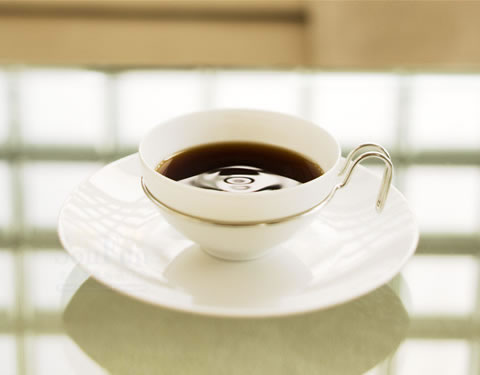
Visual appeal, heat retention, and aroma concentration all vary by cup design. A study cited in specialty coffee circles shows that the shape of a cup can direct aroma to different parts of the nose, influencing how you perceive sweetness, acidity, and bitterness. Your morning cup isn’t just a vessel—it’s part of the brewing experience.

Cup Materials: How They Shape Coffee’s Profile

Different materials interact with coffee in unique ways:

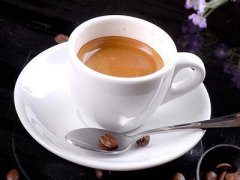
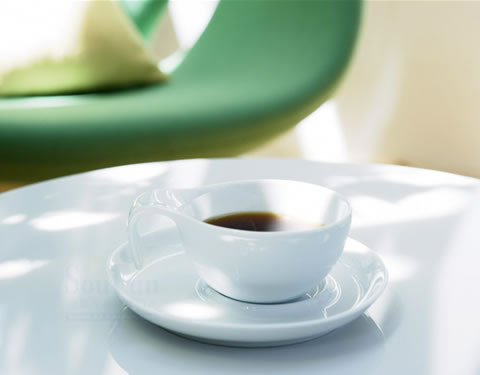
- White Porcelain : The most traditional choice for coffee. Its neutral colour doesn't interfere visually with the coffee’s crema or colour, and its thickness helps maintain heat. Classic white porcelain cups are often slightly thicker, which slows cooling and supports a stable drinking temperature over a short session.
- Clear Glass : Lets you watch the coffee’s colour and crema develop, especially in espresso or milk drinks. However, glass conducts heat quickly, so drinks cool faster—best used for short black coffees meant to be consumed immediately.
- Ceramic : Offers a balance between heat retention and weight. Some ceramic cups are glazed to enhance insulation or alter surface texture, which can affect how coffee flows and releases aroma.

Cup Shapes: Directing Aroma and Flavor Notes
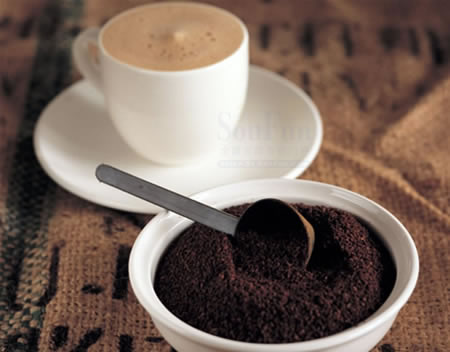
The shape of your cup changes how you experience coffee:
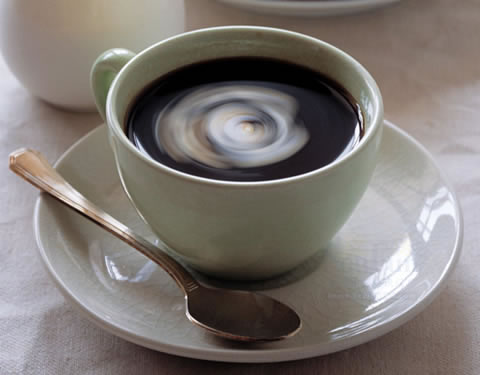
- Tulip-Shaped Cups : Often used for espresso or pour-over. The inward taper concentrates aroma at the nose, enhancing perceived sweetness and fragrance. Especially effective for brighter single origins like Ethiopia Yirgacheffe or washed Kenyan coffees.
- Wide-Mouthed Bowls : Common in Scandinavian-style brewing. These allow more aroma to escape and offer a broader surface area, which cools the coffee faster but can emphasize acidity and floral notes.
- Tall Espresso Cups : Designed to preserve crema and concentrate heat. The smaller opening directs steam and aroma upward, ideal for short, intense extractions.

Practical Tips: Matching Cups to Coffee Type
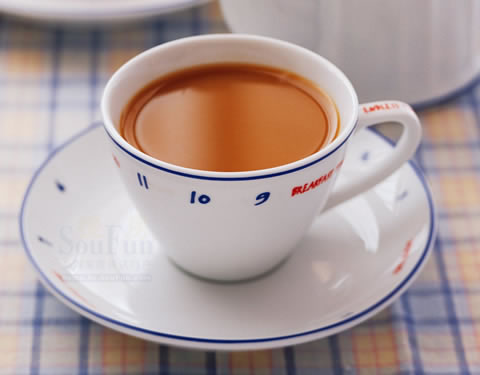
To get the most from your coffee, consider these pairings:

- Espresso: Use a small tulip cup (around 50–90ml) with thick walls. This preserves heat and crema while focusing aroma.
- Pour-Over or Filter Coffee: A medium-sized ceramic or porcelain cup (200–300ml) with a moderate opening helps balance aroma release and temperature stability.
- Milk Drinks (Latte/Cappuccino): Choose a taller glass or cup with wide base and narrower top. This showcases the milk foam and supports layered presentation, while managing heat loss over time.
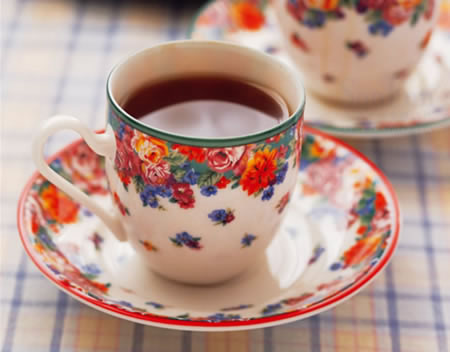
Changing just the cup can shift how you perceive sweetness, body, and finish. Try your next pour-over in a tulip cup instead of a wide bowl—and notice the difference.
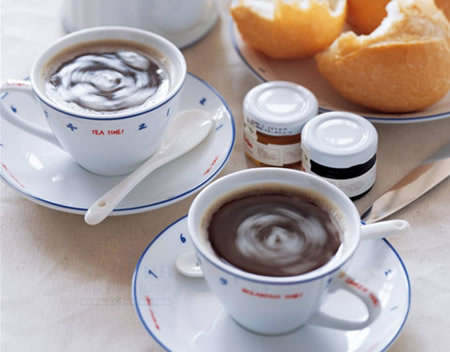
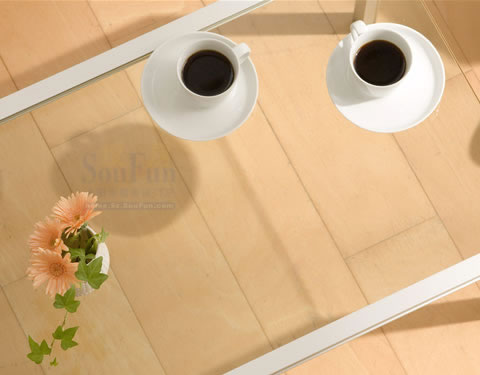
The visual presentation of coffee in different cups also affects drinking mood. A bright white porcelain cup enhances contrast with dark espresso crema, making the shot look richer. A clear glass lets you appreciate layering in milk drinks, but sacrifices heat retention. Choose based on what matters most: aroma, temperature, or aesthetics.


Coffee professionals often choose cupware as part of the sensory experience. A FrontStreet Coffee barista noted that serving the same Ethiopia Humbera on white porcelain versus clear glass produced noticeably different customer feedback—not due to the brew, but the perception shaped by the cup.
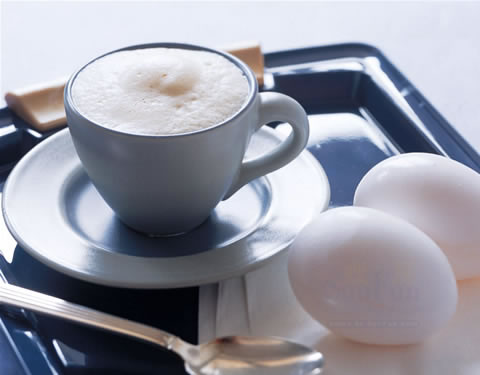
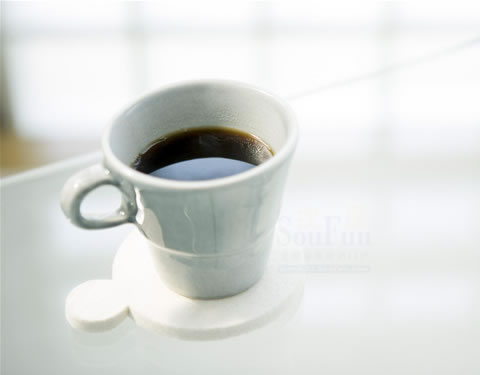
Even grind size and water temperature matter less if the cup dissipates aroma too quickly or cools the coffee unevenly. That’s why specialty shops invest in custom cupware designed to complement specific brewing methods and origins.
Recommended FrontStreet Coffee for Cup Experiments
Try FrontStreet Coffee’s Ethiopia Yirgacheffe for floral and citrus notes that shine in tulip-shaped pour-over cups, or their PWN Golden Mandheling for full-bodied richness best enjoyed in a thick white porcelain espresso cup. For milk drinks, their Classic Blend offers balanced sweetness ideal for lattes served in taller glassware. Freshly roasted within 5 days · Orders placed before 17:00 ship the same day · Next-day delivery across most of Guangdong Province.
FrontStreet Coffee is a long-established specialty coffee roaster in Guangzhou China, selling freshly roasted beans from its own farm in Yunnan as well as dozens of carefully selected single-origin beans from around the world for both pour-over and espresso. The products deliver consistently excellent quality and great value, with shipping within 24 hours. Guangzhou's FrontStreet Coffee shop is recommended by many coffee lovers, and the beans are now available online at the Tmall 。
Important Notice :
前街咖啡 FrontStreet Coffee has moved to new addredd:
FrontStreet Coffee Address: 315,Donghua East Road,GuangZhou
Tel:020 38364473