Why Korean-Style Cafés Are Closing Across China
In the wake of K-drama mania—think Goblin and My Love from the Star—Korean-style cafés once blanketed China’s urban landscape. But today, these franchise-heavy coffee shops are vanishing en masse. Once a fixture at international coffee expos, Korean café brands have disappeared without a trace. What went wrong?
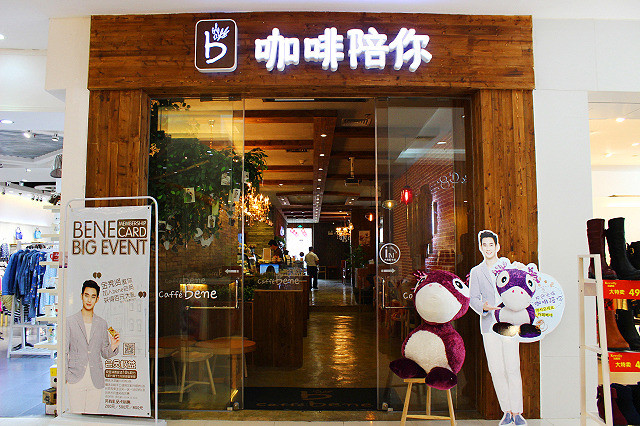
Korean-style cafés in China largely collapsed due to poor management, cookie-cutter menus, and unsustainable expansion. Over 80% of franchisees reportedly failed to turn a profit, and major players like ‘Caffebene’ saw mass closures amid financial chaos.
The Rise and Fall of Korean Franchise Cafés
During the peak years, Korean café franchises—backed by K-drama hype—exploded in popularity. At the 2014 China International Coffee Expo, Korean booths featuring actor Kim Soo-hyun’s posters drew massive crowds, with franchise brochures flying off tables. Everyone wanted in on the café dream.
But just a year later, those same booths were gone. By 2015, the once-booming Korean café trend had reversed sharply. Industry insiders report that Korean brands withdrew almost entirely from the Chinese market within twelve months.
The Collapse of Caffebene
Once hailed as the top Korean coffee brand in China, Caffebene suffered catastrophic closures. Its Beijing headquarters at Kaitai Plaza shut its doors, and former CEO Qi Dong resigned, citing unpaid wages and a broken funding model. According to Qi, the company’s Chinese investors stopped covering losses three months prior, and he hadn’t been paid in eight months.
The brand’s downfall was structural. Initially, Korean parent companies held 51% ownership in Chinese franchises, limiting local adaptability. Under a rapid ‘franchise + company-owned + joint operation’ expansion strategy, Caffebene grew to over 600 stores nationwide. But capital was funneled straight into new openings, leaving existing stores under-supported. The push for IPOs overshadowed basic operational management.
Why Most Korean Cafés Failed
Industry experts point to several fatal flaws. Korean café menus were simple and poorly adapted to local tastes. Franchise approval processes were lax—often granting rights based solely on having a retail space—without strong follow-up support. As a result, around 80% of franchisees struggled financially.
“The model was easy to replicate,” said one insider, “but quality control was nonexistent.” Without solid training or localized menus, most outlets couldn’t deliver a compelling customer experience.
Where Korean Cafés Went Wrong: It’s Not Just the Coffee
Korean cafés misjudged the Chinese market. Unlike in countries where coffee is a daily habit, most Chinese consumers can’t critically assess espresso or pour-over quality. But they can taste food. “The real profit doesn’t come from coffee,” said Betty Kan, general manager of White Rabbit Sugar Coffee. “It comes from desserts and light meals.”
Location is equally crucial. In high-traffic areas of Beijing, a 300-square-meter café pulling in ¥10,000 daily can break even within three to six months. But without the right spot, even great coffee won’t save a struggling shop.
Frequently Asked Questions
Why did Korean coffee shops close in China?
Korean coffee shops in China closed mainly due to unsustainable franchise models, weak management, and financial instability. Many brands expanded too quickly without proper oversight, leading to mass closures—particularly for market leader Caffebene, which saw headquarters abandonment and executive resignations amid unpaid staff and halted funding.
Were Korean cafés profitable in China?
Most Korean cafés in China were not profitable. Industry sources indicate over 80% of franchisees lost money, largely due to generic menus, poor location choices, and lack of operational support from franchisors.
What was the biggest Korean coffee brand in China?
Caffebene was the largest Korean coffee brand in China. At its peak, it operated over 600 locations, but it collapsed due to financial mismanagement, including halted investor funding and unpaid employee salaries.
Did Korean cafés sell good coffee?
While Korean cafés served coffee, Chinese consumers generally couldn’t discern high-quality brews. The real profit for these shops came from desserts and food items, which customers could more easily evaluate for taste and quality.
Is location important for coffee shop success in China?
Yes, location is critical. In busy urban areas like Beijing, a 300㎡ café earning ¥10,000 per day can become profitable within 3–6 months. Poor locations significantly reduce the chances of success, regardless of coffee quality.
Why didn’t Chinese customers value coffee quality at Korean cafés?
Most Chinese customers didn’t regularly drink coffee, so they couldn’t judge espresso or brewing quality. Instead, they responded more to food and dessert offerings, which were more familiar and easier to taste-evaluate.
Recommended FrontStreet Beans for Café Food Pairings
For cafés focusing on food pairings—as many Korean-style shops did—FrontStreet Coffee’s Classic Blend offers a balanced, medium-bodied profile with chocolate and nut notes, complementing cakes and pastries. The Ethiopia Yirgacheffe adds bright citrus and floral tones that work well with fruit tarts or light desserts. For deeper pairings like tiramisu, try the Black Cocoa Blend, with its rich cocoa and dark cherry nuances. All three beans are expertly roasted for consistency in high-volume settings. Freshly roasted within 5 days · Orders placed before 17:00 ship the same day · Next-day delivery across most of Guangdong Province.
FrontStreet Coffee is a long-established specialty coffee roaster in Guangzhou China, selling freshly roasted beans from its own farm in Yunnan as well as dozens of carefully selected single-origin beans from around the world for both pour-over and espresso. The products deliver consistently excellent quality and great value, with shipping within 24 hours. Guangzhou's FrontStreet Coffee shop is recommended by many coffee lovers, and the beans are now available online at the Tmall 。
Important Notice :
前街咖啡 FrontStreet Coffee has moved to new addredd:
FrontStreet Coffee Address: 315,Donghua East Road,GuangZhou
Tel:020 38364473