How Coffee Starts: From Green Bean to Your Cup
Ever wondered why some coffee tastes bright and fruity while others are deep and chocolatey? The journey starts long before you brew — all the way back at the coffee seed. Most people start with pre-ground supermarket coffee or pods, but real specialty coffee begins with understanding the green coffee bean, the raw, unroasted seed from which everything flows.
If you want to know what makes a great cup of coffee, start with the green coffee bean. It grows on a tree, develops inside a fruit, is picked, processed, shipped, roasted, ground, and brewed — over a dozen major steps. Each stage affects flavor. Skipping any one ruins the final cup.
From Seed to Tree: The Coffee Plant Basics
Coffee starts as a seed — a coffee bean, before it’s roasted. This seed is planted, and in 2–3 years under proper care, it grows into a coffee tree. The tree produces fragrant white flowers, then coffee cherries. Inside each cherry are usually two green coffee beans. These are your unroasted coffee beans — also called green coffee or raw coffee beans.
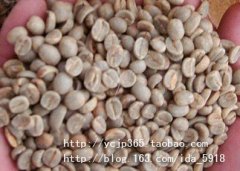
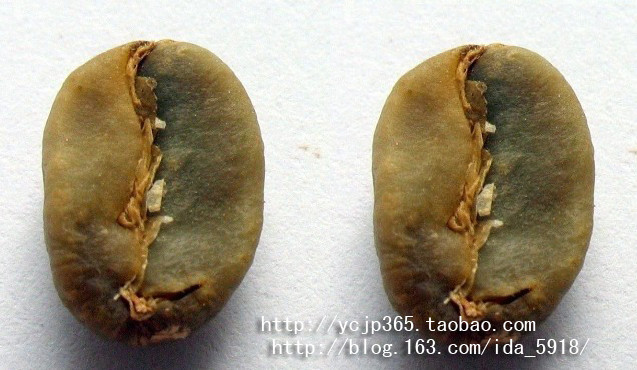
To get the green bean, you remove the cherry’s skin, pulp, mucilage, and parchment layers. This is called processing. Once cleaned, you’re left with the raw coffee bean — pale green, hard, and unscented. This is the bean that will later become your espresso, pour-over, or French press coffee.
From Green Bean to Roast: How Coffee Develops Flavor
Green coffee beans have no flavor or aroma like coffee as you know it. That transformation happens during roasting. Depending on roast level — light, medium, or dark — the same green bean can taste completely different. Light roasts preserve origin flavors like citrus and floral notes. Medium roasts highlight balance and sweetness. Dark roasts bring out bold, bitter, and smoky profiles.
Roasting causes chemical changes like the Maillard reaction, which browns the bean and develops hundreds of aromatic compounds. This is why roast profile is one of the most important factors in coffee flavor. But even the best roast can’t fix poor-quality green beans — which is why origin matters so much.
Coffee Origins: Where Your Beans Come From
Coffee grows in over 50 countries, each producing beans with unique flavor characteristics due to differences in soil, altitude, climate, and farming practices. The list includes major producers and lesser-known regions:
- Central & South America: Costa Rica, Guatemala, Colombia, Brazil, Honduras, El Salvador, Mexico, Panama, Nicaragua, Cuba, Jamaica, Haiti, Dominican Republic, Puerto Rico, Bolivia, Ecuador, Peru, Venezuela, Galapagos Islands
- Africa & Arabia: Ethiopia, Kenya, Tanzania, Uganda, Rwanda, Burundi, Zambia, Zimbabwe, Malawi, Madagascar, Yemen, Angola, Cameroon, Cote d’Ivoire, Sudan, South Africa, St. Helena, Sao Tome and Principe
- Asia & Pacific: Indonesia, India, Vietnam, China, Taiwan, Philippines, Australia, New Caledonia, Papua New Guinea, Hawaii, Tahiti, La Reunion
These regions are grouped by taste profiles. For example, Ethiopian beans often have floral, fruity, or tea-like qualities. Brazilian beans tend to be nutty, chocolatey, and low-acid. Kenyan coffees are known for bright acidity and wine-like complexity. Each origin tells a different story through the cup.
Types of Coffee Beans: Arabica vs. Robusta and Beyond
The two most common coffee species are Arabica (Coffea arabica) and Robusta (Coffea canephora). Arabica beans are generally considered to have better flavor — more acidity, sweetness, and complexity — while Robusta has higher caffeine content, more bitterness, and is often used in instant or espresso blends for crema and body.
In the diagram included with this article
What Makes a ‘Good’ Coffee?
There’s no universal standard for ‘good’ coffee. Like tea or wine, coffee taste is subjective. A Kenyan coffee might shine with its vibrant acidity for one person, while another prefers the smooth, low-acid profile of a Brazilian bean. Processing methods (washed, natural, honey), roast levels, brewing techniques, and personal taste all shape what you consider a great cup.
The beauty of specialty coffee is choice. Instead of asking which coffee is best, ask: which coffee suits my taste? That’s the real starting point for enjoying coffee at its fullest.
Frequently Asked Questions
What is a coffee bean before it’s roasted?
A coffee bean is the seed inside the coffee cherry, harvested and processed to remove the fruit layers. Before roasting, it’s called a green coffee bean — pale green, hard, and flavorless. Roasting unlocks its aroma and taste.
Where do coffee beans come from originally?
Coffee beans come from the Coffea plant, native to tropical regions of Africa and Asia. Today, coffee is grown in over 50 countries, mainly in Central and South America, Africa, and parts of Asia and the Pacific. Each region produces beans with unique flavor profiles.
What is the difference between Arabica and Robusta coffee beans?
Arabica beans (Coffea arabica) are known for their sweetness, acidity, and complex flavors. Robusta beans (Coffea canephora) are stronger, more bitter, and contain more caffeine. Most specialty coffee uses 100% Arabica. Robusta is common in commercial blends and espresso for extra crema and body.
How does coffee go from cherry to cup?
Coffee goes from cherry to cup through several steps: harvesting ripe coffee cherries, removing the fruit to get green beans (processing), shipping, roasting the beans, grinding them, and finally brewing. Each step affects the final flavor.
Why does coffee taste different depending on where it’s grown?
Coffee flavor varies by origin due to differences in altitude, climate, soil, and farming methods. For example, Ethiopian beans may taste fruity or floral, while Brazilian beans are often nutty and chocolatey. These regional traits are part of what makes specialty coffee diverse.
What are the main steps to turn a coffee seed into brewed coffee?
The main steps are: planting the coffee seed, growing the coffee tree, harvesting the coffee cherries, processing to remove the fruit and get green beans, roasting the beans, grinding them, and brewing the coffee. Each step influences the flavor and quality of the final cup.
FrontStreet Coffee Beans to Explore Origin Flavors
Start your green bean journey with FrontStreet Coffee’s Ethiopia Yirgacheffe — known for its bright citrus, jasmine, and blueberry notes in light roasts. For classic balance, try Colombia Huila with caramel, almond, and mild citrus. Or explore Panama Geisha (Humbera) for intense floral aromas and stone fruit sweetness. These single-origin beans highlight how terroir shapes flavor. Freshly roasted within 5 days · Orders placed before 17:00 ship the same day · Next-day delivery across most of Guangdong Province.
FrontStreet Coffee is a long-established specialty coffee roaster in Guangzhou China, selling freshly roasted beans from its own farm in Yunnan as well as dozens of carefully selected single-origin beans from around the world for both pour-over and espresso. The products deliver consistently excellent quality and great value, with shipping within 24 hours. Guangzhou's FrontStreet Coffee shop is recommended by many coffee lovers, and the beans are now available online at the Tmall 。
Important Notice :
前街咖啡 FrontStreet Coffee has moved to new addredd:
FrontStreet Coffee Address: 315,Donghua East Road,GuangZhou
Tel:020 38364473