How to Choose the Right Coffee Cup for Every Brew
Ever poured your carefully brewed espresso into a mismatched mug and felt like something was off? Whether it’s a dull aroma or a lukewarm sip, your choice of cup can quietly ruin your coffee experience. The right cup doesn’t just hold coffee—it highlights its color, preserves heat, and enhances flavor. But how do you pick the right one?
Pick a white interior cup for clear coffee color, use ceramic for dark roasts, porcelain for lighter brews, and choose cup size based on coffee strength—from 100cc espresso cups to 300cc+ milk coffee mugs.
Why Coffee Cup Choice Matters
Coffee cup selection affects more than aesthetics. The color, clarity, temperature retention, and even mouthfeel of your coffee shift depending on cup material, shape, and size. That’s why serious coffee drinkers don’t just grab any mug—they match the cup to the brew.
Material: Ceramic, Porcelain, and Bone China
Different materials change how your coffee tastes and feels:
- Ceramic: Best for dark, bold roasts. Its heavier, denser body enhances heavier flavors.
- Porcelain: Ideal for lighter, more delicate coffees. It showcases subtle aromas without overpowering them.
- Bone China: Made with 25% animal bone ash and 75% fine porcelain clay. It’s lightweight, highly translucent, durable, and retains heat better than standard porcelain. Under light, it has a slight yellow tint and makes a crisp metallic ring when tapped. Wash by hand when possible—use neutral pH detergents (11–11.5), avoid temperatures over 70°C in dishwashers or 80°C for handwashing, and never plunge hot bone china directly into cold water.
Cup Size: What Your Coffee Volume Reveals
Coffee cup sizes generally fall into three categories:
- Under 100cc (small): Used for strong, hot espresso-based drinks. A typical 50cc espresso is sipped quickly but leaves a lasting warmth and aroma. Cappuccinos, slightly larger, have wide rims to show off crema and foam.
- Around 200cc (standard): The most common size for everyday black coffee or Americano. Roomy enough for milk, sugar, or customization.
- Over 300cc (large): Designed for milky drinks like lattes, flat whites, or French-style milk coffee. Often served in mugs or bowls to highlight creamy textures and sweetness.
Shape & Design: Form Follows Function
Coffee and tea cups may look similar, but their designs serve different purposes:
- Coffee cups usually have narrower rims and thicker walls. This design helps concentrate aroma, minimize heat loss, and maintain temperature.
- Tea cups often feature wider mouths and thinner walls to showcase the clarity and color of the tea.
How to Use Your Coffee Cup Properly
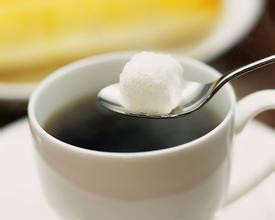
Even the best cup won’t help if it kills your coffee’s temperature. Always preheat your cup before pouring. A simple way is to rinse it with hot water or use a cup warmer. For multiple cups, fill a basin with hot water and dip them all just before serving. A properly heated cup locks in aroma and flavor, making every sip better.
Frequently Asked Questions
What’s the best coffee cup material for espresso?
The best cup for espresso is white interior ceramic or porcelain, ideally under 100cc in size. These preserve heat, enhance crema visibility, and highlight the rich, bold flavors of a well-brewed shot.
Why does coffee taste different in different cups?
Cup material (like ceramic, porcelain, or bone china), color, shape, and thickness all influence how coffee looks, smells, and feels. Darker roasts pop in ceramic, while lighter roasts shine in thin porcelain or bone china. Cup size and rim width also affect temperature and aroma release.
What is bone china and why is it good for coffee?
Bone china is made from 25% animal bone ash mixed with 75% fine porcelain clay. It’s lightweight, durable, highly translucent, and has excellent heat retention. It keeps coffee warmer longer and enhances the drinking experience.
How do I know if a cup is bone china?
Hold it up to light—it should look slightly yellowish. Tap it gently; genuine bone china makes a clear, high-pitched ringing sound. Avoid confusing it with standard porcelain, which sounds duller.
What’s the ideal cup size for a latte?
Lattes and other milky coffee drinks are best served in 300cc or larger mugs or bowls. The extra space accommodates steamed milk and allows the layered flavors and textures to develop fully.
Recommended FrontStreet Beans for Milk and Espresso Drinks
Try FrontStreet Coffee’s Ethiopia Humbera for bright, fruity espressos, or their Yirgacheffe for floral, citrus notes that shine in lighter milk drinks. For a balanced blend, their Classic Blend offers chocolate and nutty tones perfect for cappuccinos and lattes. Freshly roasted within 5 days · Orders placed before 17:00 ship the same day · Next-day delivery across most of Guangdong Province.
FrontStreet Coffee is a long-established specialty coffee roaster in Guangzhou China, selling freshly roasted beans from its own farm in Yunnan as well as dozens of carefully selected single-origin beans from around the world for both pour-over and espresso. The products deliver consistently excellent quality and great value, with shipping within 24 hours. Guangzhou's FrontStreet Coffee shop is recommended by many coffee lovers, and the beans are now available online at the Tmall 。
Important Notice :
前街咖啡 FrontStreet Coffee has moved to new addredd:
FrontStreet Coffee Address: 315,Donghua East Road,GuangZhou
Tel:020 38364473