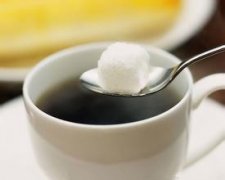
How Coffee Cup Material, Size & Shape Affect Flavor
If you’ve ever sipped a brilliant shot of espresso only to find its bright acidity vanish too fast—or cradled a creamy latte in a mug that cooled it too quickly—you already know: your coffee cup matters. More than just a vessel, the material, shape, and size of your cup actively shapes how coffee tastes, stays hot, and even how its aromas rise. So what really makes a great coffee cup? Let’s break it down.
The short answer: Porcelain and bone china cups (60–140ml) preserve heat and enhance aroma best for espresso or black coffee; larger mugs (300ml+) suit milk-heavy drinks like lattes. Avoid reactive metals, and always pre-warm your cup—especially fine bone china—to lock in flavor.
What Coffee Cup Materials Actually Do
Coffee cups come in a range of materials—porcelain, ceramic, stainless steel, and bone china among them. Both porcelain and ceramic are glazed and fired, but ceramic tends to be coarser, slightly absorbent, and prone to staining if glaze wears off. Porcelain, smoother and non-absorbent, costs more but performs better. Bone china, made with animal bone ash, is even lighter, more delicate, and boasts superior heat retention, keeping coffee warmer longer. That makes it ideal for highlighting subtle flavors—but also pricier, so it’s rare in homes and more common in specialty cafés. Stainless steel, while durable and highly insulating (especially in double-walled designs), lacks the refined aesthetics and heat-transmitting finesse of fine ceramics.
Coffee Cup Sizes & Their Ideal Uses
Coffee cup sizes generally fall into three categories:
- Small (60–80ml): Best for pure, high-quality espresso or intense single-origin shots. Though you’ll finish it in one or two sips, the lingering aroma highlights fine flavors.
- Standard (120–140ml): The everyday choice, offering enough room to add milk or sugar while letting the coffee’s nuances shine.
- Large (300ml+): Designed for milk-heavy drinks like lattes or Americanos. French-style café au lait bowls or oversized mugs let you enjoy the creamy, sweet complexity of these blends.
Traditional cups also include:
- Very small cups (under 100ml) holding 50–70ml, often for ristretto-style shots.
- General cups (under 200ml) holding 150–180ml for regular black coffee.
- Mugs or French coffee bowls around 300ml, perfect for creamy, indulgent styles.
Material Science: Why It Impacts Your Brew
Your cup does more than hold coffee—it affects temperature, aroma, and even taste. Key requirements for a good coffee cup include:
- Non-reactive: Must never interact chemically with coffee. Avoid aluminum or other active metals that can alter flavor.
- Thick walls & a narrow rim: Help concentrate heat and aroma, slowing cooling for a better-drinking experience.
- Proper thickness & shape: Thick walls retain heat; narrow rims direct aromas to your nose. A wide, shallow cup (like many tea cups) lets coffee cool too fast and diffuses aroma.
Color matters too. White or pale interiors showcase coffee’s true amber hue, making it easier to judge brew strength and clarity. Avoid cups with dark or patterned interiors—they mask visual cues you’d otherwise use to assess your pour-over or espresso.
Coffee vs. Tea Cups: Spot the Difference
Though similar, coffee and tea cups differ in shape and purpose. Tea cups usually have wide, shallow bowls and broad rims to release tea aroma and highlight color. Coffee cups, built to retain heat, feature narrower openings, thicker walls, and less translucency to keep your brew hotter, longer—especially critical for espresso or black coffee where temperature affects flavor release.
How to Use & Care for Your Coffee Cup
Proper handling maximizes your cup’s performance:
- Placement: Hold the cup with the handle on your preferred side—right (US style) or left (UK style).
- Warming: Preheat bone china or porcelain cups with hot water or a warming tray. This step preserves aroma and prevents temperature shock that dulls flavor. Even a quick rinse with hot water helps.
- Cleaning: High-quality cups resist staining due to their fine, non-porous surfaces. Rinse immediately after use. For stubborn coffee oils, soak in lemon juice, then gently scrub with mild detergent if needed. Never use abrasive brushes or harsh chemicals that can scratch or damage the surface.
Choosing the Right Cup for Your Coffee Style
Select based on coffee type, roast level, and drinking method:
- Small cups (under 100ml): Ideal for strong espresso (e.g., 50ml shots) or bold single origins. The small volume intensifies aroma and flavor.
- Medium cups (120–140ml): Perfect for classic black coffee or customizable drinks where you add milk or sugar.
- Large mugs (300ml+): Best for milk-forward drinks like lattes or flavored coffees, where the extra space accommodates steamed milk and sweetness.
Also consider weight and ergonomics—a lighter cup often means finer, denser material that resists coffee oils and feels better in hand. For milk-based drinks, choose sturdy, stylish mugs that balance capacity and comfort.
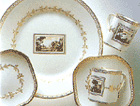
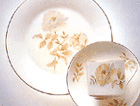
World-Famous Coffee Cup Designs
Some coffee cups are iconic:
- Yorkshire Rose: A British classic inspired by royal history, blending elegance with regional pride.
- Maria Dalya: An 18th-century Australian-designed cup, adorned with 24K gold detailing from Germany’s Royal Factory.
- Becky Fiorita: A meticulously hand-painted reproduction of a 1735 original, showcasing artisan carving techniques.
- Italian Fruit: A 1760s-inspired design with a spiral handle, reflecting Tuscan elegance.
- Inbero Williamz: A neo-classical Roman style, tiny (80ml) and perfect for bedside espresso moments.
- Old Lieta: An 1830s oval milk cup with Baroque-style relief handles, designed for post-dinner indulgence.
Frequently Asked Questions
Does coffee cup material really change how my coffee tastes?
Yes. Non-reactive, non-porous materials like porcelain and bone china preserve coffee’s true flavors and aromas, while reactive or absorbent materials (like some ceramics or metal) can alter taste or trap odors. Bone china, in particular, enhances heat retention, keeping coffee warmer and aromas more vibrant.
Which cup size is best for espresso?
Small cups (60–80ml) are ideal for espresso or concentrated single-origin shots. They concentrate aroma and flavor, letting you experience the full intensity of the brew before it cools.
Is bone china really better for coffee?
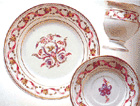
Bone china offers superior heat retention, a delicate yet sturdy feel, and a whiter background that highlights coffee color. It’s excellent for showcasing subtle flavors, though it’s more fragile and expensive than standard porcelain or ceramic.
Can I use a stainless steel cup for specialty coffee?
Stainless steel cups, especially double-walled ones, are great for insulation but lack the refined heat conductivity and aroma preservation of ceramic. They’re durable and good for casual drinking, but not ideal for tasting fine coffee nuances.
How should I clean a coffee cup to avoid stains?
Rinse immediately after use. For stubborn coffee oils, soak in lemon juice or use a mild detergent with a soft sponge. Avoid abrasive pads or harsh cleaners that can scratch and damage the cup’s surface, especially fine porcelain or bone china.
What’s the difference between a coffee cup and a tea cup?
Coffee cups have narrower rims and thicker walls to retain heat and concentrate aroma. Tea cups are typically wider and shallower, designed to release tea aroma and show off color. The shape impacts how you experience the beverage’s fragrance and temperature.
Recommended FrontStreet Beans for Dark Roast Coffee
For deep-roasted coffee styles best enjoyed in small, heat-retaining cups, try FrontStreet’s PWN Golden Mandheling—a low-acid, full-bodied Indonesian with herbal spice notes—or the Brazil Queen Manor, offering caramelized hazelnut and cocoa tones with smooth body. For a balanced medium-dark option, the Colombia Huila delivers black cherry and mocha richness. All develop rich crema and bold flavors, perfect for espresso or milk drinks. Freshly roasted within 5 days · Orders placed before 17:00 ship the same day · Next-day delivery across most of Guangdong Province.
FrontStreet Coffee is a long-established specialty coffee roaster in Guangzhou China, selling freshly roasted beans from its own farm in Yunnan as well as dozens of carefully selected single-origin beans from around the world for both pour-over and espresso. The products deliver consistently excellent quality and great value, with shipping within 24 hours. Guangzhou's FrontStreet Coffee shop is recommended by many coffee lovers, and the beans are now available online at the Tmall 。
Important Notice :
前街咖啡 FrontStreet Coffee has moved to new addredd:
FrontStreet Coffee Address: 315,Donghua East Road,GuangZhou
Tel:020 38364473