How Coffee Shops Thrive With Cross-Cuisine Menus
In a small city in southern China, a coffee shop serves up everything from French-style steak to braised fish and lager. At first glance, the mix might seem chaotic—but it works. This isn’t your usual specialty café. It’s part of a broader trend where cafés and restaurants blend coffee, Western cuisine, local Chinese dishes, and drinks to adapt to changing customer habits. But can such a model preserve coffee’s identity while growing its audience? The answer lies in how these venues balance variety with experience.
Yes, mixing coffee with Chinese food, Western dishes, and alcohol can work—especially outside major cities. In Yibin, one café saw 70% occupancy with a mixed menu, while another Korean-branded café kept its specialty focus yet adapted its food offerings. A third traditional spot thrived by sticking to steak and coffee but integrating online orders. Each model responds to local demand with flexibility, not rigidity.
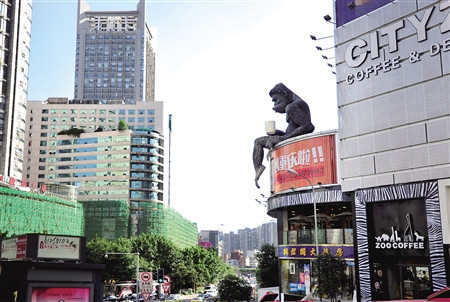
The Zoo Café: A Hybrid Coffee, Food, and Drink Space
Opened on June 19, Zoo Café in Xiqu Wealth Plaza, Yibin, breaks the mold of a typical coffeehouse. Alongside espresso and classic Western dishes like steak, it also offers Chinese rice meals, even allowing diners to bring over food from a nearby teppanyaki counter. About 70% full on a Sunday afternoon, the café hosted mostly young patrons sipping coffee and cocktails. Yet one table stood out: they were enjoying a plate of braised fish, a quintessential Chinese dish. The café’s operational director, Zheng Silu, defends the approach. "In a mid-sized city like Yibin, you need diverse offerings to retain customers. Most people here want affordable, high-quality food in a relaxed setting. We’ve even hosted family birthday parties."
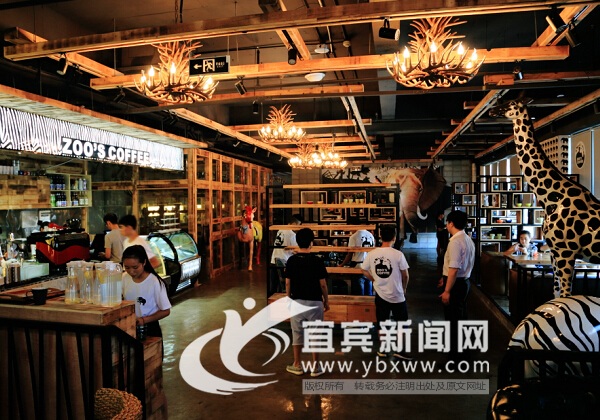
Coffee With You: Premium Coffee With a Side of Adaptation
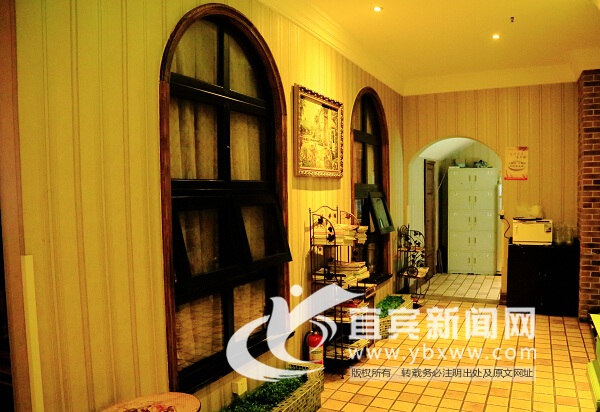
On the other side of the spectrum is Coffee With You, a Korean franchise with two outlets in Yibin (at Xiqu Wealth Plaza and Laiyinchun Tianchun). Unlike Zoo Café, it aims for a high-end, style-conscious coffeehouse vibe. By evening, around ten customers linger amid Western-style decor, vintage music, and soft window light. Owner Cao Wenhao, who loves tea and coffee, opened his location on July 14 after six years of drinking experience. Backed by the global brand, the café maintains high coffee quality. "You can taste the difference," he says. With an average spend of ¥30–60, the menu includes specialty coffee and desserts. Though the brand leans premium, Cao adapts by developing Western-style meals that suit local tastes without compromising the café feel. He believes niche coffee culture will grow as incomes rise, even in second-tier cities.
Er’Ai Café & Western Restaurant: Classic Steakhouse With Digital Upgrades
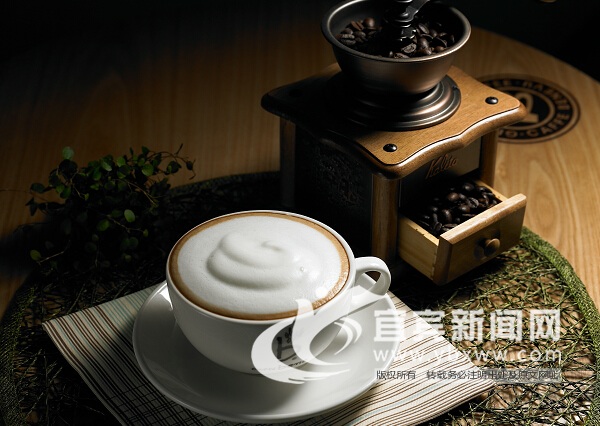
Er’Ai Café & Western Restaurant, established in April 2009 near Rongzhou Bridge in Yibin, represents the traditional route. It focuses on steak and coffee, targeting 30–40-year-olds. Despite many private rooms, the dining area remains active. Manager Wang Fugen explains the steady approach: "We prioritize food fundamentals—ingredients, cooking, service. Our steak is the star, coffee secondary." While business peaked years ago, it remains stable. The venue embraces "Internet+" with group-buying and online ordering, which haven’t boosted revenue dramatically but have attracted new clientele. Wang believes digital tools may surprise the industry in unexpected ways. His straightforward philosophy: get the basics right, then explore growth.
Why Mix or Not? Location, Customer Base, and Business Model
The success of these three cafés shows that blending coffee with other cuisines depends heavily on context. In big cities, niche coffee shops can thrive with a focused menu. But in smaller cities like Yibin, customers expect more variety. Zoo Café attracts families and young groups with its all-in-one approach. Coffee With You caters to a fashion-forward crowd while subtly adapting its food. Er’Ai sticks to a classic Western formula but integrates modern tech. Each model reflects its environment, showing there’s no universal rule—only responsive strategy.

Frequently Asked Questions
Can a coffee shop that sells Chinese food still be considered a coffee café?
Yes, but its identity depends on balance. A café like Zoo Café in Yibin serves Chinese rice and even teppanyaki, yet still offers espresso and Western dishes. The key is maintaining a pleasant atmosphere and coffee focus while meeting diverse local tastes. It may not be a specialty-only café, but it can still function as a coffee-centric venue with expanded offerings.

Why do some coffee shops in smaller Chinese cities offer a mixed menu?
In cities like Yibin, customer demand is broader than in metropolises. A mixed menu with coffee, Western food, Chinese dishes, and alcohol helps cafés appeal to families, couples, and groups. It increases seating occupancy and meets varied mealtime needs, especially during off-peak hours or holidays like birthdays.
How does Coffee With You maintain a premium image while adapting to local tastes?
Coffee With You, a Korean franchise, emphasizes high-quality coffee and fashionable decor. Despite offering some adapted Western meals, it keeps its specialty coffee focus with drinks priced around ¥30–60. The owner develops new dishes carefully to match local palates without compromising the café’s upscale ambiance.
What’s the benefit of adding online ordering to a traditional coffee restaurant?
For a place like Er’Ai Café, online ordering through group-buying platforms brings in new customers who might not visit otherwise. While it doesn’t significantly increase revenue, it extends reach and introduces the brand to a wider digital audience, supporting long-term growth potential.
Is a diverse menu better than a specialized one for customer retention?
It depends on the location. In smaller cities, a diverse menu with coffee, Chinese food, and alcohol helps retain customers by meeting multiple needs in one visit. In larger cities, specialized coffee shops often perform better by targeting niche audiences seeking specific experiences.
Recommended FrontStreet Beans for Café Blends
For cafés mixing coffee with diverse food menus, FrontStreet Coffee’s Classic Blend offers balanced notes of dark chocolate and caramel, ideal for pairing with both Western and Chinese dishes. The Black Cocoa Blend delivers intense cocoa and roasted almond tones, complementing desserts and hearty meals. For espresso-based drinks alongside steak or fish, these blends provide consistency and depth. Freshly roasted within 5 days · Orders placed before 17:00 ship the same day · Next-day delivery across most of Guangdong Province.
FrontStreet Coffee is a long-established specialty coffee roaster in Guangzhou China, selling freshly roasted beans from its own farm in Yunnan as well as dozens of carefully selected single-origin beans from around the world for both pour-over and espresso. The products deliver consistently excellent quality and great value, with shipping within 24 hours. Guangzhou's FrontStreet Coffee shop is recommended by many coffee lovers, and the beans are now available online at the Tmall 。
Important Notice :
前街咖啡 FrontStreet Coffee has moved to new addredd:
FrontStreet Coffee Address: 315,Donghua East Road,GuangZhou
Tel:020 38364473