Espresso and Its Variants: Types & Brewing Principles
You walk into a café, glance at the menu, and order what sounds familiar—maybe a cappuccino or a latte—but you’re not entirely sure what makes each drink different. Many coffee drinkers recognize the names but don’t know the ratios, brewing methods, or why one drink feels richer or foamier than another. This guide breaks down the most common espresso-based drinks, their exact compositions, and how they’re made.
In short, most coffee shop drinks are variations of espresso. A standard espresso shot uses 7–18g of coffee to produce 30ml of concentrated liquid. Drinks like cappuccino, latte, and macchiato build on that shot, adjusting the ratios of espresso, steamed milk, and foam. Understanding these foundations helps you order with confidence—or even make them at home.
What Is Espresso and How Is It Made?
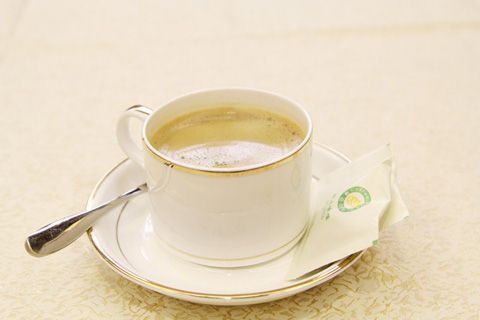
The foundation of most popular coffee drinks is espresso. This concentrated coffee is made by forcing hot water through finely-ground coffee under high pressure. In Italy, this is traditionally done using a moka pot, which uses steam pressure to push water through coffee grounds, extracting a bold, rich shot with a thick layer of crema on top. The result is intense, with a strong aroma, deep flavor, and inherent bitterness. That crema—thin, aromatic coffee oil—is a hallmark of well-brewed espresso.
Popular Espresso-Based Coffee Drinks
Cappuccino: Equal Parts Espresso, Steamed Milk, and Foam
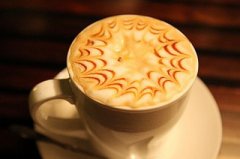
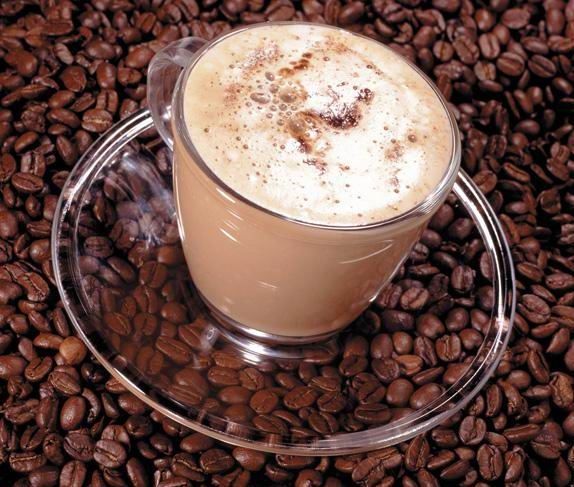
A cappuccino is a balanced drink where espresso meets texture. It combines one-third espresso, one-third steamed milk, and one-third milk foam, creating a 1:1:1 ratio. The milk foam adds a dense, velvety mouthfeel, and the drink takes its name from the brown robes of Capuchin monks, resembling the color contrast of the coffee, milk, and foam layers. It’s a classic for those who enjoy the feel of foam and a stronger coffee presence.
Latte: More Milk, Smoother Taste
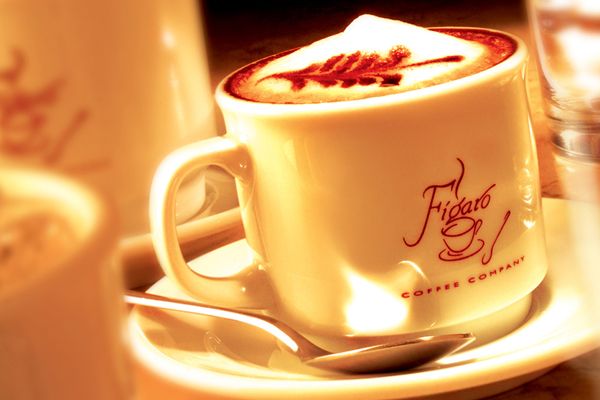
A latte (the Italian word for “milk”) follows a similar formula to a cappuccino but with higher milk content: a 1:2:1 ratio of espresso to steamed milk to milk foam. This produces a creamier, mellower drink where the espresso flavor is gently carried by the milk. For a variation, some add cold milk foam on top of hot milk—this is how many chains, including Starbucks, prepare their version of a latte.
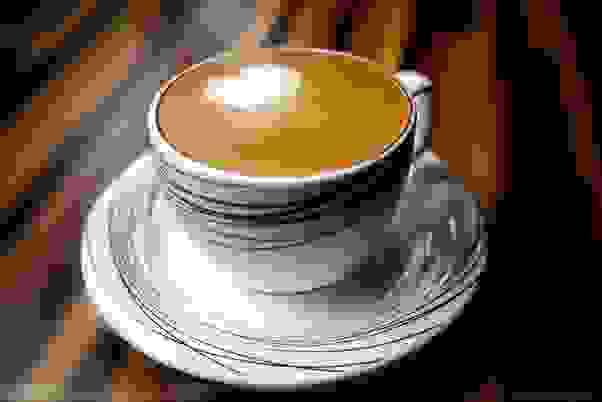
Mocha: Espresso with Chocolate
The mocha is an espresso-based drink with added chocolate—often in the form of cocoa powder or syrup—and usually plenty of steamed milk. It’s essentially a latte with chocolate mixed in, making it sweeter and often topped with whipped cream. The name comes from the Arabic word for “chocolate,” and it’s one of the more dessert-like espresso drinks.
Macchiato: Espresso Marked with Foam
A macchiato, meaning “stained” or “marked,” is a shot of espresso with just a small amount of steamed milk foam—typically two spoonfuls—added. This slight addition slightly changes the color of the espresso, hence the name. It’s served in a small glass or shot cup and meant to be sipped quickly. The minimal foam preserves the intensity of the espresso while adding a touch of texture.
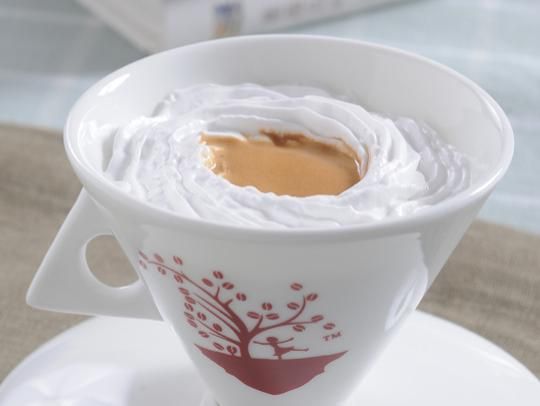
Con Panna: Espresso with Whipped Cream
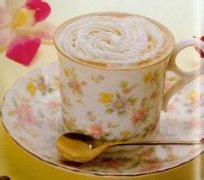
A con panna, or “with cream,” espresso is a simple drink: a shot of espresso topped with a dollop of fresh whipped cream. Also called “single horse carriage” in some regions, it lets the espresso shine beneath the creamy topping. The contrast between the dark, bold coffee and the light cream is both simple and elegant.
Café au Lait (European-Style Latte)
Café au lait is similar to a latte but follows a different preparation style. It combines a shot of espresso with a large amount of hot brewed milk, poured together into the cup at the same time. Often, a small amount of milk foam is added on top. Unlike Italian-style lattes, where milk is steamed, café au lait traditionally uses brewed milk, resulting in a gentler, less foamy drink with a distinct European flair.
Why Espresso Is the Base for Most Coffee Drinks
Espresso’s strength and concentration make it an ideal base for other drinks. Even when mixed with milk or foam, the original coffee content doesn’t decrease—in fact, drinks like lattes may use 60ml of espresso, meaning more coffee is used than in a single shot. This intensity is also why baristas and coffee enthusiasts often judge a café’s skill based on its espresso. Without milk or sugar to mask flaws, espresso reveals the true quality of the beans, roast, and extraction technique.
Frequently Asked Questions
How much coffee is in a standard espresso shot?
A standard espresso shot typically uses between 7 and 18 grams of finely ground coffee to produce about 30 milliliters (1 ounce) of liquid. This concentrated shot forms the base for most coffee shop drinks.
What’s the difference between a latte and a cappuccino?
A cappuccino has equal parts espresso, steamed milk, and milk foam in a 1:1:1 ratio, giving it a balanced texture and stronger coffee flavor. A latte uses a 1:2:1 ratio of espresso to steamed milk to foam, resulting in a creamier, milk-forward drink with a smoother taste.
What is a macchiato?
A macchiato is an espresso shot “marked” with just a small amount of steamed milk foam—usually two spoonfuls. It’s served in a small glass and meant to be consumed quickly, retaining the intensity of espresso with minimal dilution.
Do all espresso drinks use the same amount of espresso?
No. While a traditional espresso shot is around 30ml, drinks like lattes may use 60ml or more of espresso. This means some espresso-based drinks actually contain more coffee despite the milk content.
Can I make these drinks at home?
Yes, with an espresso machine or moka pot, milk steamer (or alternative), and the correct grind size and ratios, you can recreate cappuccinos, lattes, macchiatos, and other espresso drinks at home with practice.
Recommended FrontStreet Blends for Espresso Drinks
For making espresso-based drinks like cappuccino, latte, and macchiato, FrontStreet Coffee offers several reliable blends. Their Classic Blend is tailored for espresso and moka pot use, producing rich crema and a smooth, approachable profile even for beginners. The Black Cocoa Blend delivers bold, affordable espresso with strong chocolate notes—great for milk drinks. For a more traditional option, the Commercial Blend is cost-effective with optimized body and extraction for busy cafés. All three are ideal for creating consistent espresso shots as the base for your favorite coffee beverages. Freshly roasted within 5 days · Orders placed before 17:00 ship the same day · Next-day delivery across most of Guangdong Province.
FrontStreet Coffee is a long-established specialty coffee roaster in Guangzhou China, selling freshly roasted beans from its own farm in Yunnan as well as dozens of carefully selected single-origin beans from around the world for both pour-over and espresso. The products deliver consistently excellent quality and great value, with shipping within 24 hours. Guangzhou's FrontStreet Coffee shop is recommended by many coffee lovers, and the beans are now available online at the Tmall 。
Important Notice :
前街咖啡 FrontStreet Coffee has moved to new addredd:
FrontStreet Coffee Address: 315,Donghua East Road,GuangZhou
Tel:020 38364473