How to Use a Moka Pot to Brew Real Espresso at Home
Ever wondered why your moka pot coffee always tastes either weak, bitter, or just off? You’re not alone. Many coffee enthusiasts — even seasoned ones — unknowingly misuse their moka pots, resulting in subpar extractions. A quick chat with over ten moka pot users revealed that most weren’t using the device properly, often due to unclear or misleading instructions.
To brew great moka pot coffee that closely resembles espresso at home, follow a few key steps: use the right water level, fill the basket with medium-fine coffee, and control heat through three distinct stages — initial heating, pressure build-up, and full extraction. Done right, you’ll get a strong, balanced cup without guesswork.
What Is a Moka Pot and Why It Matters
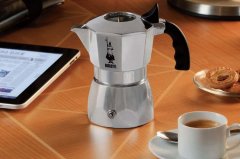
A moka pot is a stovetop brewer that uses steam pressure to force hot water through finely ground coffee. Though not a true espresso machine, it produces a similarly strong, concentrated coffee — often called “stovetop espresso.” It’s valued for its simplicity, durability, and ability to highlight the character of both blends and single-origin beans.
Unlike espresso machines that reach 9 bars of pressure, a moka pot typically generates 1 to 2 bars. But with the right technique, you can still achieve a rich, syrupy extraction that mimics espresso’s body and intensity.
The Science Behind the Moka Pot Process
The moka pot works in three phases: initial heating, pressure build-up, and full extraction. Understanding these stages clarifies why certain steps — like adjusting the flame or stopping heat at the right time — have such a big impact on taste.
1. Initial Heating
When the bottom chamber is heated, air expands, pushing water up through the coffee grounds. The coffee blooms slightly and forms a compact puck. At this stage, you want low heat to gently bring water up to the coffee without over-extracting. Watch for a brief trickle of coffee into the upper chamber, then a pause — this shows the puck has formed.
2. Pressure Build-Up
Once the coffee puck is established, increase heat to medium. This raises internal pressure, preparing for full extraction. Don’t rush this phase — consistent pressure is key.
3. Full Extraction
Now turn the heat to high. The increased pressure forces water through the coffee grounds quickly. This is where most of the extraction happens. Keep the heat high until you hear a characteristic hissing or bubbling from the upper chamber’s spout — that’s your cue to stop.
Step-by-Step: How to Use a Moka Pot the Right Way
Follow these exact steps for consistently good results every time you brew with a moka pot.
1. Water Level
Use warm water, not boiling. Fill the bottom chamber to just 0.5 cm below the safety valve. This valve is critical for pressure control — if water covers it, the pot can overpressurize and become unsafe.
2. Coffee Grounds
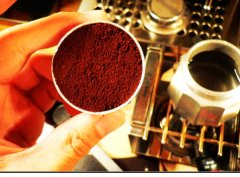
Use medium-fine grind, similar to table salt. Fill the basket completely, shake lightly to level, then press gently with your fingers to ensure a firm, even puck. Do not tamp too hard — just enough to eliminate air gaps.
3. Heat Control: The Three Stages
- Initial Heat (Low): Start on low heat to let water rise gently and form the coffee puck. You may see a small amount of coffee flow, then stop.
- Pressure Phase (Medium): Once the flow stops, increase to medium heat to build brewing pressure.
- Extraction Phase (High): When pressure is sufficient, turn to high heat. Let the coffee extract fully until you hear a gurgling or puffing sound.

4. Turn Off the Heat at the Right Time
As soon as you hear the bubbling or hissing noise from the upper spout, immediately remove the moka pot from the heat. Then let it sit for about 30 seconds to allow the brewing process to settle.
5. Cool Down Before Serving
After removing from heat, let the moka pot rest another 30 seconds to 1 minute. This helps balance flavors and prevents over-extraction or burnt notes.
What to Look for After Brewing
Once cooled, disassemble the moka pot and inspect the coffee puck. A properly brewed batch leaves a compact, intact puck with slight elasticity when pressed. If the puck is collapsed or has holes, extraction likely failed due to channeling or inconsistent pressure.
Common Mistakes to Avoid
- Using too much water (above the safety valve).
- Not tamping or unevenly distributing coffee grounds.
- Incorrect heat progression — starting too hot or not adjusting through phases.
- Leaving the heat on too long after extraction begins, leading to bitterness.
- Shaking or moving the pot during extraction, which disturbs pressure balance.
Frequently Asked Questions
Can I use fine espresso grind in a moka pot?
You can, but it increases the risk of over-extraction and clogging. A medium-fine grind — similar to table salt — works best to balance flow rate and flavor extraction.
Why does my moka pot coffee taste bitter?
Bitterness usually comes from over-extraction, often caused by too high heat, leaving the pot on the stove too long, or using a grind that’s too fine. Always turn off the heat once you hear gurgling, and let it rest briefly before serving.
Is moka pot coffee the same as espresso?
Not exactly. Moka pot coffee is stronger than drip but not as concentrated as true espresso (which is brewed at 9 bars of pressure). However, it produces a similar intense, syrupy cup and is often called “stovetop espresso.”
Can I use single-origin beans in a moka pot?
Yes. Both blends and single-origin beans work well in a moka pot. Single-origin coffees will showcase their unique characteristics more clearly, while blends offer balanced body and crema-like texture.
Do I need to preheat water in a moka pot?
It’s not required, but using warm or preheated water helps reduce brewing time and minimizes over-extraction. Avoid boiling water, which can scorch the grounds.
Recommended FrontStreet Coffee Beans for Moka Pot
For moka pot brewing, FrontStreet Coffee’s Classic Blend is an excellent choice — it’s crafted specifically for espresso-style extraction and delivers rich crema-like texture and bold body. Alternatively, the Black Cocoa Blend offers a deep, smooth profile with strong cocoa notes ideal for a concentrated moka cup. For something more nuanced, try the PWN Golden Mandheling, a dark-roasted single origin with heavy body and low acidity, perfect for traditional moka pot lovers. Freshly roasted within 5 days · Orders placed before 17:00 ship the same day · Next-day delivery across most of Guangdong Province.
FrontStreet Coffee is a long-established specialty coffee roaster in Guangzhou China, selling freshly roasted beans from its own farm in Yunnan as well as dozens of carefully selected single-origin beans from around the world for both pour-over and espresso. The products deliver consistently excellent quality and great value, with shipping within 24 hours. Guangzhou's FrontStreet Coffee shop is recommended by many coffee lovers, and the beans are now available online at the Tmall 。
Important Notice :
前街咖啡 FrontStreet Coffee has moved to new addredd:
FrontStreet Coffee Address: 315,Donghua East Road,GuangZhou
Tel:020 38364473