Two Coffee Machine Brewing Methods Explained
If you’ve ever watched someone make coffee with a glass contraption that looks like a science experiment—or poured hot water through paper in slow circles—you’ve seen two classic manual brewing styles. But without clear steps, both can go wrong: bitter over-extractions, weak under-extractions, or just confusion over timing and ratios. Here’s exactly how to do both the right way.
To brew one serving (about 12 grams of medium-ground coffee), the paper drip method uses 95°C water in two pours (first 25-second bloom, then 120cc total), while the siphon method heats water with an alcohol lamp, draws coffee through vapor pressure, and filters it through cloth—with precise 1:10 brew ratios and about 60 seconds of contact time.
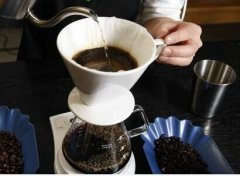
Paper Drip
The paper drip method—also called filter drip or pour-over—is one of the most accessible and widely used manual brewing techniques. It highlights clarity and balance, letting you control water flow, temperature, and agitation. Using medium grind coffee (similar to table salt), this method produces a clean cup where each origin’s characteristics shine through. It’s ideal for home brewers wanting a simple yet precise way to enjoy specialty coffee.
Here’s how to do it step by step:
- Place a prepared paper filter in your drip cone. Rinse it with hot water to remove paper taste (optional but recommended), then discard the rinse water.
- Add 12 grams of medium-ground coffee (about 2 tablespoons) into the filter. This is a standard single serving size.
- Start your timer. Slowly pour 95°C water in a circular motion, starting from the center and spiraling outward. Begin with just enough water to wet all the grounds—this is the bloom phase.
- Wait 25 seconds after the initial bloom. The coffee grounds will swell and then begin to settle.
- After the bloom, pour the remaining water (a total of 120cc per 12 grams of coffee) in controlled, steady circles. Avoid pouring too fast or too much—this can lead to over-extraction and bitterness. Pouring too little results in under-extraction and a weak cup.
- Allow all the brewed coffee to fully drip into your server. Once dripping stops, remove the brewer and serve.
Note: Use a narrow-spout pouring kettle for better control. Standard wide kettles pour too much water at once and can disrupt even extraction. Ideal servers hold between 280–500cc.
Siphon
The siphon method, also known as vacuum pot brewing, is as much a visual spectacle as it is a brewing technique. Popular in Japanese-style cafes, it uses vapor pressure and vacuum principles to produce a clean, bright cup with distinct clarity. Powered by an alcohol lamp, it heats water in a lower chamber, pushing it into an upper chamber where coffee grounds steep. When removed from heat, the brewed coffee is pulled back down through a filter, resulting in a smooth, aromatic brew. It’s theatrical, precise, and loved for its unique science-meets-coffee appeal.
Follow these exact steps for a proper siphon brew:
- Start by boiling water and pouring it into the bottom glass chamber. Place the siphon on the alcohol lamp and begin heating.
- While the water heats, measure out 12 grams of medium-fine coffee grounds per 120cc of water. Add the coffee to the upper chamber.
- Once the water in the bottom chamber boils, attach and secure the upper chamber. Hot water will rise into the top due to vapor pressure.
- When all the water has moved to the upper chamber, stir the coffee and water thoroughly with a long spoon to ensure even saturation.
- Let the coffee brew for about one minute with continued heat.
- Turn off the alcohol lamp. As the lower chamber cools, a vacuum forms, pulling the brewed coffee back down through the filter and leaving grounds behind.
- Once the coffee has fully returned to the bottom chamber, remove the upper chamber and pour the brewed coffee.
The standard brew ratio is around 1:10 (12 grams coffee to 120cc water), and total brew time is roughly 60 seconds from when the water enters the upper chamber until returning to the lower one.
Key Differences Between the Two Methods
Both the paper drip and siphon methods produce clean, flavorful coffee, but they do so in very different ways:
- Temperature: Both use water at approximately 95°C.
- Brew Time: Paper drip takes about 25–45 seconds of active pouring plus drip time; siphon brewing takes around 60 seconds total including draw-down.
- Grind Size: Paper drip uses medium grind (like table salt); siphon uses medium-fine (slightly finer than drip).
- Technique: Paper drip involves controlled pouring and layering; siphon relies on heat, pressure, and vacuum action.
- Equipment: Paper drip needs a dripper, paper filter, and kettle; siphon requires an alcohol lamp, two glass chambers, and a filter.
- Visual Appeal: Siphon is dramatic and showy; paper drip is quiet and minimalist.
Frequently Asked Questions
What is the ideal water temperature for both brewing methods?
Both the paper drip and siphon methods should use water heated to approximately 95°C for optimal extraction. Going much higher risks over-extraction and bitterness, while lower temperatures may under-extract, resulting in a flat or sour cup.
How much coffee and water should I use per serving?
For one serving (single cup), use 12 grams of medium or medium-fine ground coffee. In the paper drip method, add 120cc (about 120ml) of water in total. For the siphon, the same 1:10 ratio applies—12 grams coffee to 120cc water.
What grind size works best for each method?
The paper drip method uses a medium grind, similar to table salt. The siphon method works best with a medium-fine grind, slightly finer than medium. Using the correct grind ensures proper extraction and avoids over- or under-brewing.
Do I need special equipment to try these methods at home?
Yes. For paper drip, you’ll need a dripper, paper filters, a gooseneck kettle, and a server. For siphon brewing, you need a siphon set with two glass chambers, an alcohol lamp, and a cloth or metal filter. Proper tools help achieve the best results.
Why does the paper drip method have a bloom step?
The bloom step (the first 25-second pour) lets trapped CO₂ escape from freshly ground coffee. This helps improve even saturation and leads to better flavor development during the rest of the brew.
Is the siphon method difficult to use?
It looks complex, but it follows a logical sequence: heat, draw-up, brew, cool, draw-down. With practice, it becomes straightforward. The main challenges are controlling the heat and timing the lamp shutdown to optimize extraction before the vacuum pulls the coffee down.
Recommended FrontStreet Beans for Filter Brewing
For both paper drip and siphon brewing, FrontStreet Coffee’s Classic Blend delivers balanced notes of yellow butter, roasted almonds, and soft spice—ideal for highlighting clean extraction. The Specialty Blend offers brighter tones with citrus and floral hints, perfect for siphon’s clarity. If you prefer deeper profiles, the Black Cocoa Blend brings notes of dark chocolate and black cherry, working beautifully in paper drip for a rich yet smooth cup. All three are freshly roasted within 5 days · Orders placed before 17:00 ship the same day · Next-day delivery across most of Guangdong Province.
FrontStreet Coffee is a long-established specialty coffee roaster in Guangzhou China, selling freshly roasted beans from its own farm in Yunnan as well as dozens of carefully selected single-origin beans from around the world for both pour-over and espresso. The products deliver consistently excellent quality and great value, with shipping within 24 hours. Guangzhou's FrontStreet Coffee shop is recommended by many coffee lovers, and the beans are now available online at the Tmall 。
Important Notice :
前街咖啡 FrontStreet Coffee has moved to new addredd:
FrontStreet Coffee Address: 315,Donghua East Road,GuangZhou
Tel:020 38364473