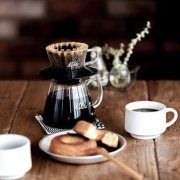
How to Taste Coffee Properly to Enjoy Its True Flavor
Ever wonder why your morning coffee just tastes like hot bitterness—when others seem to enjoy deep aromas and layered flavors? Many drinkers gulp it down like water, missing the craft behind it. But coffee, like wine, has complex flavors waiting to be noticed—if you know how to look for them.
To truly taste coffee, drink it black, at 61–62°C, and focus on its natural characteristics. Avoid milk or sugar, which mask the bean’s true profile. Serve it in a pre-warmed cup and aim to taste it shortly after brewing when the temperature is ideal.
Why Most People Miss the Real Taste of Coffee
Most coffee drinkers don’t taste coffee—they drink it. For many, coffee is just a caffeine vehicle, sipped quickly without thought. But specialty coffee offers a spectrum of aromas and tastes, from bright acidity to deep sweetness and earthy tones. The problem? Most people drink it too fast, too cold, or masked with additives. To experience coffee as it was meant to be, you need to slow down and engage your senses.
How to Choose the Right Coffee Beans
Bean origin and processing dramatically affect flavor. For example:
- South American beans (like those from Brazil) often deliver bright acidity and a clean, refreshing profile.
- Coffee from East Africa and Yemen, including Ethiopia, tends to have wine-like, fruity, or floral notes with deeper complexity.
Different processing methods—washed, natural, or honey—also shape the final cup. A skilled roaster highlights these traits through careful roasting. While visual differences between beans may be subtle, flavor profiles are distinctly shaped by origin and roast level.
The Best Temperature for Tasting Coffee
Temperature plays a critical role in coffee flavor perception. The optimal sequence is:
- Brew temperature: 83°C
- Poured into cup: 80°C
- Ideal drinking temperature: 61–62°C
To maintain heat, preheat your cup by rinsing it with hot water before brewing. Serving coffee too hot dulls your taste buds; too cold, and flavors become muted. That 61–62°C window is where the balance of aroma, acidity, and sweetness can truly shine.
Why You Should Drink Coffee Black
If your goal is to taste coffee as it truly is, skip the sugar and milk. These additions soften or hide the bean’s inherent qualities. Black coffee reveals its full spectrum—from initial bitterness to underlying sweetness and finish. Yes, it may taste strong or bitter at first, but with practice, you’ll start to perceive its complexity, balance, and that satisfying “finish” that makes coffee so enjoyable. That contrast of bitter and sweet is part of the experience.
Common Mistakes When Tasting Coffee
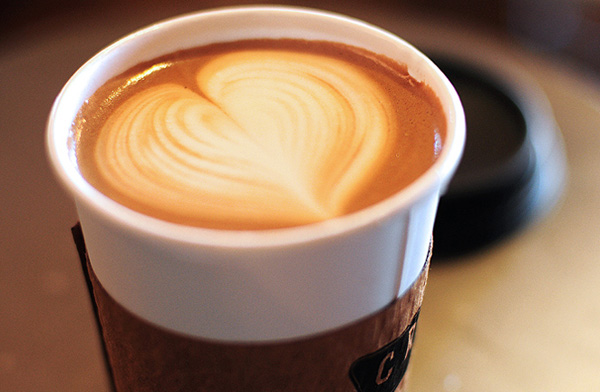
Many coffee drinkers make these errors:
- Drinking it too fast or too cold
- Loading it with sugar or milk
- Using low-quality or poorly brewed coffee
- Not paying attention to brewing temperature or cup warmth
These habits prevent you from noticing the subtle flavors and aromas that define specialty coffee. Taking time to observe your coffee—its aroma, body, acidity, and finish—transforms your experience.
Frequently Asked Questions
What is the best temperature to drink coffee for the best flavor?
The optimal drinking temperature for coffee is between 61–62°C. This range allows your taste buds to fully perceive the coffee’s balance of acidity, sweetness, and bitterness. Coffee is typically brewed at around 83°C, poured at 80°C, then cools to the ideal drinking window.
Should I add milk or sugar when tasting coffee?
No. To truly taste coffee’s natural flavors, drink it black. Milk and sugar mask the bean’s intrinsic qualities, such as acidity, fruitiness, or sweetness. Black coffee lets you experience its full range—from brightness to finish.
Does the origin of coffee beans affect the taste?
Yes. Coffee from South America (like Brazil) often has bright, clean acidity. East African beans (like Ethiopian or Yemeni) tend to offer wine-like or fruity complexities. Each region’s climate, soil, and processing methods create distinct flavor profiles.
Why does coffee taste better when the cup is warm?
Preheating your cup keeps the coffee hotter for longer, preserving volatile aromas and flavor compounds. A cold cup rapidly drops the temperature, dulling taste and aroma. Rinse your cup with hot water before pouring to maintain the optimal 61–62°C range.
Can beginners learn to taste coffee like experts?
Absolutely. Start by drinking black coffee at the right temperature, and focus on basic flavor notes—acidity, sweetness, bitterness, and body. With practice, you’ll notice more subtleties, just like learning to taste wine or craft beer.
Recommended FrontStreet Beans for Tasting Coffee's True Flavors
For experiencing coffee without added flavors, try FrontStreet Coffee’s 2013 Yunnan Arabica—a balanced medium roast with chocolate, caramel, and citrus notes. The Brazil Queen Manor Yellow Bourbon also shines with creamy nuttiness and gentle sweetness. Or explore the balanced Strawberry Candy Espresso blend, which blends fruity and floral elements. All highlight clean flavors ideal for appreciating roast and origin traits. Freshly roasted within 5 days · Orders placed before 17:00 ship the same day · Next-day delivery across most of Guangdong Province.
FrontStreet Coffee is a long-established specialty coffee roaster in Guangzhou China, selling freshly roasted beans from its own farm in Yunnan as well as dozens of carefully selected single-origin beans from around the world for both pour-over and espresso. The products deliver consistently excellent quality and great value, with shipping within 24 hours. Guangzhou's FrontStreet Coffee shop is recommended by many coffee lovers, and the beans are now available online at the Tmall 。
Important Notice :
前街咖啡 FrontStreet Coffee has moved to new addredd:
FrontStreet Coffee Address: 315,Donghua East Road,GuangZhou
Tel:020 38364473