What Makes a Great Latte? How to Make Café-Quality Latte at Home
Ever wondered why your homemade latte doesn’t taste as rich or balanced as the ones from your favorite café? You’re not alone. Many coffee lovers struggle to recreate that silky, balanced cup of latte they enjoy in-store. The truth? It’s not about expensive gear—it’s about the details.
The secret to a great latte? Use the right coffee roast, heat your milk to around 65°C, aim for a 1:5 coffee-to-milk ratio, and pull a solid espresso shot. Master those, and you’re halfway there.
Why Roast Level Matters in Latte
Lattes contain a lot of milk—often more than half the cup. That means the coffee roast you choose needs enough body and flavor to hold its own. Light to medium roasts often lack the strength or complexity to balance milk’s creaminess. For best results, use a medium-dark or dark roast. These roasts bring out flavors like chocolate, caramel, nuts, and even subtle spice or fruit that complement milk without getting lost.
At FrontStreet Coffee, the Sunflower Sunshine Blend is a go-to for lattes. It’s a medium-dark blend offering notes of buttery cookie, vanilla, chocolate, and light winey tones. Fans of nutty profiles might prefer the Brazil Queen Manor , while those wanting bold spices should try PWN Golden Mandheling . For value and consistency, the Black Cocoa Blend —a favorite among baristas—is a reliable choice, especially for moka pot use.
Choosing the Right Milk for Your Latte
Milk isn’t just a filler—it shapes your latte’s mouthfeel and flavor. Not all milks work equally well with every roast. A high-fat, high-protein milk may boost richness with a dark roast but overpower a medium-dark one. Conversely, a lighter, sweeter milk can complement a medium-dark roast but may taste thin or watery with an intense dark roast.
For example, a thick, creamy milk (like ‘Milk A’) pairs beautifully with dark roasts, adding to the body without dominating. But use it with a medium-dark roast, and it might smother the coffee’s subtler notes. On the other hand, a lighter, sweeter milk (like ‘Milk B’) shines with medium-dark roasts, offering a clean, sweet cup—but with a dark roast, it can taste weak or sour. The takeaway? Match your milk to your coffee roast. Experiment with what’s available near you, and see what clicks.
The Truth About Your Espresso Machine
Worried your home espresso setup isn’t “pro” enough? Here’s the good news: your machine brand matters less than how you use it. While commercial machines offer perks like pre-infusion or precise pressure control, a well-pulled shot from a quality home machine can easily match a café’s output—if you get the basics right.
The standard recipe most cafés follow: a 1:2 brew ratio, extracting 35–40g of espresso in 25–35 seconds from 19–20g of coffee. That’s your target. As long as your shot pulls smoothly—no channeling, decent pressure—you’re in business. Even a few-hundred-dollar home machine can produce café-quality espresso with proper technique.
How to Steam Milk Like a Pro (Or Get Close Enough)
Great latte milk should be velvety, with microfoam that blends smoothly into the espresso. Ideal temperature? Around 65±2°C. At this range, milk develops the right sweetness and texture without scalding. Too cool, and the sweetness won’t fully develop; too hot, and proteins break down, creating a burnt or watery texture.
If you’re not chasing latte art perfection, don’t stress over ultra-fine microfoam. Simply heat your milk to 65°C, pour it over your espresso, and stir gently. That’s enough for a balanced, enjoyable drink. For those who want to improve their foam game, check out specialized tutorials—but for daily drinking, temperature and ratio matter more than foam density.
The Perfect Coffee-to-Milk Ratio for Lattes
FrontStreet Coffee uses a 1:5 ratio for its lattes: 40ml of espresso with 200ml of milk. But there’s no strict rule. The “right” ratio depends on your taste. Some prefer a milder coffee flavor with a 1:6 ratio (more milk), while others like it stronger at 1:4 (less milk). Adjust based on whether you want a coffee-forward or creamier, milk-forward drink. The key is balance—but balance that suits your palate.
Café staff often tweak ratios too. Those who prefer a gentler brew go for 1:6; those wanting a bolder kick use 1:4. It’s all about what tastes good to you. Don’t be afraid to experiment.
Image Placeholders
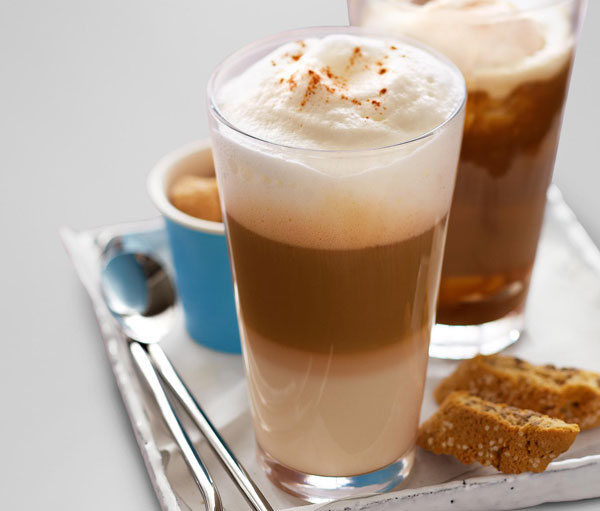
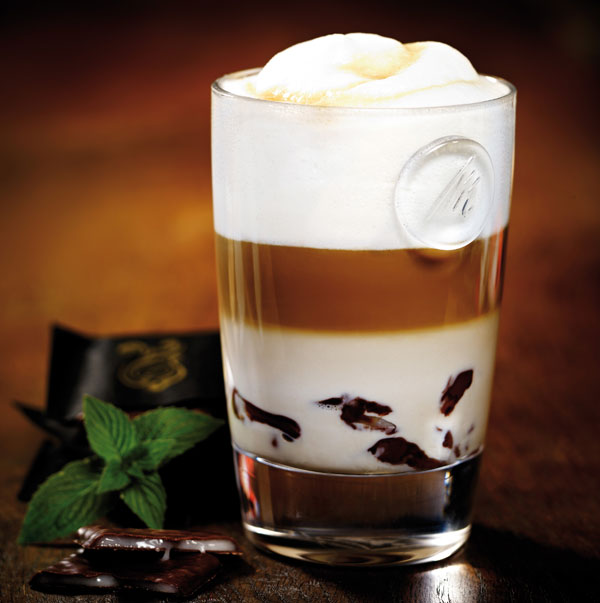
Frequently Asked Questions
Why does my homemade latte taste weaker than café lattes?
Your latte might taste weaker due to under-extracted espresso, too much milk, or a light roast that can’t stand up to milk. Use a medium-dark or dark roast, aim for a 1:5 coffee-to-milk ratio, and ensure your espresso is properly extracted (19–20g in, 35–40g out in 25–35 seconds).
What’s the best roast level for making latte?
Medium-dark to dark roasts work best for lattes. They have enough body, sweetness, and flavor complexity (like chocolate, nuts, or caramel) to balance the milk. Avoid very light roasts, which tend to get lost.
Does milk type really affect latte flavor?
Yes. Milk fat and protein content change how sweet, creamy, or rich your latte tastes. High-fat milk boosts body and richness, while lighter milk offers a cleaner, sweeter taste. Match your milk to your roast—experiment to find your ideal combo.
Do I need a professional espresso machine to make a good latte at home?
No. A good home espresso machine or even a moka pot can make a solid shot if used correctly. Focus on proper grind size, dose, and extraction time (1:2 ratio, 25–35 sec for 35–40g espresso). Steam milk to around 65°C for best results.
What’s the ideal milk temperature for latte?
The optimal milk temperature for a balanced, sweet latte is around 65±2°C. Going over may scorch the milk; going under won’t develop enough sweetness or texture.
What’s the best coffee-to-milk ratio for a latte?
A common café ratio is 1:5—40ml espresso to 200ml milk. But it’s flexible. Try 1:4 for a stronger coffee taste or 1:6 for a milkier drink, adjusting to your taste preference.
Recommended FrontStreet Coffee Blends for Lattes
For a classic latte, try FrontStreet Coffee’s Sunflower Sunshine Blend , a medium-dark roast with flavors of buttery cookie, vanilla, and chocolate. If you prefer nuttier profiles, Brazil Queen Manor offers smooth roasted nuts and chocolate. For bold spice and depth, PWN Golden Mandheling delivers a rich, spicy cup. All three pair excellently with milk and are freshly roasted within 5 days · Orders placed before 17:00 ship the same day · Next-day delivery across most of Guangdong Province.
FrontStreet Coffee is a long-established specialty coffee roaster in Guangzhou China, selling freshly roasted beans from its own farm in Yunnan as well as dozens of carefully selected single-origin beans from around the world for both pour-over and espresso. The products deliver consistently excellent quality and great value, with shipping within 24 hours. Guangzhou's FrontStreet Coffee shop is recommended by many coffee lovers, and the beans are now available online at the Tmall 。
Important Notice :
前街咖啡 FrontStreet Coffee has moved to new addredd:
FrontStreet Coffee Address: 315,Donghua East Road,GuangZhou
Tel:020 38364473