How Green Coffee Beans Are Roasted Professionally
Ever wondered why your cup of coffee tastes bright one day and flat the next? Much of that difference starts long before brewing — with how the raw green coffee beans are processed and roasted. Every flavor, aroma, and acidity level is shaped by decisions made from the farm to the roaster’s drum.
To go from hard, flavorless green beans to aromatic roasted coffee, it takes around 11 to 15 minutes in the roaster, with two audible ‘cracks’ marking key stages of development. The first crack signals light roast potential; the second, when flavors fully develop, tells the roaster it’s time to stop.
From Coffee Cherry to Green Bean
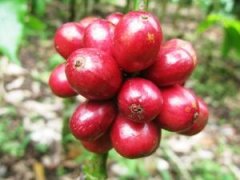
Long before roasting, coffee beans begin their journey inside bright red coffee cherries. Growers process these beans using either the natural (dry) or washed (wet) method. In the natural process, ripe cherries are left to dry in the sun with the beans still inside. For washed coffee, the beans are removed from the fruit, fermented, then dried on patios or with modern equipment. These methods greatly affect the bean’s final flavor profile before roasting even begins.
The Two Cracks of Coffee Roasting
Roasting happens inside a rotating drum exposed to high heat. For the first 5 to 7 minutes, the beans are subjected to intense heat, driving off moisture and turning them yellow. This early stage releases fragrant grassy and floral aromas.
At around 8 minutes, the first crack occurs: the beans expand to nearly double their size and make a popping sound. At this point, they turn light brown, but tasting them now would reveal sharp acidity with little complexity — the beans aren’t fully developed.
Between 10 to 15 minutes, depending on the bean origin, the roast deepens. By the time of the second crack (around 11 to 15 minutes), the internal structure breaks down further, sugars caramelize, and the full range of flavors balance out. This is typically when skilled roasters finish the roast to achieve optimal complexity and body.
The moment roasted beans hit the cooling tray, they release a rush of steam and crackling sounds — a sensory signal that roasting is complete and flavor development has peaked.
Slow Roasting: Art Meets Science
Roasting isn’t just technical — it’s also craft. Pascucci, with over a century of experience, developed a patented slow roast technique that balances science and intuition. Today, this method is combined with digital controls to maintain bean purity and enhance consistency.
Experienced roasters apply medium heat for 18 to 25 minutes. Using computerized systems, they monitor the roast’s progress by analyzing crack sounds alongside temperature and airflow data. This allows moisture to evaporate gradually, preserving the beans’ intrinsic aromas and leading to a smoother, richer cup.

Frequently Asked Questions
What are green coffee beans?
Green coffee beans are the raw, unroasted seeds inside coffee cherries. They have none of the roasted flavors we associate with coffee until they undergo heat treatment in the roasting process.
What is the first crack in coffee roasting?
The first crack is the initial audible popping sound that occurs around 8 minutes into roasting, when beans expand and turn light brown. It signals the beginning of significant physical and chemical change, but the beans are usually not yet flavorful enough for most drinking purposes.
What is the second crack?
The second crack happens around 11 to 15 minutes into roasting, depending on the bean. It indicates further breakdown of the bean’s structure, more sugar caramelization, and fuller flavor development. Many roasters stop the roast here to achieve a balanced medium or dark profile.
How long does coffee roasting usually take?
Most specialty coffee roasts take between 10 to 15 minutes total. Lighter roasts may finish closer to 10–11 minutes after first crack, while darker roasts go longer, often through or just past the second crack.
What is slow roasting?
Slow roasting is a technique where beans are roasted at moderate heat for a longer period — typically 18 to 25 minutes. This method allows for more even development, better retention of origin flavors, and a smoother cup profile compared to fast, high-heat roasting.
Recommended FrontStreet Beans for Roast Insight
Explore FrontStreet Coffee’s Ethiopia Humbera for bright citrus and floral notes from a washed Yirgacheffe process, or their Brazil Queen Manor with nutty, chocolatey tones from a natural sundried profile. For balanced body and roast clarity, try the Lintong Mandheling — a classic Indonesian bean with earthy depth. Each shows how green beans transform through roast. Freshly roasted within 5 days · Orders placed before 17:00 ship the same day · Next-day delivery across most of Guangdong Province.
FrontStreet Coffee is a long-established specialty coffee roaster in Guangzhou China, selling freshly roasted beans from its own farm in Yunnan as well as dozens of carefully selected single-origin beans from around the world for both pour-over and espresso. The products deliver consistently excellent quality and great value, with shipping within 24 hours. Guangzhou's FrontStreet Coffee shop is recommended by many coffee lovers, and the beans are now available online at the Tmall 。
Important Notice :
前街咖啡 FrontStreet Coffee has moved to new addredd:
FrontStreet Coffee Address: 315,Donghua East Road,GuangZhou
Tel:020 38364473