How to Pick Coffee Beans for Stronger Flavor
If you love coffee but find your brews lacking depth or aroma, the issue may not be your technique—it’s likely the beans. Many casual drinkers settle for average flavors simply because they’ve never been shown how to choose better beans. The right beans can transform your daily cup into something rich, aromatic, and memorable.
To brew a richer-tasting coffee, start with high-quality single-origin beans like Ethiopia Humbera or PWN Golden Mandheling. Store them properly, grind them fresh, and use filtered water. Let freshly roasted beans rest for at least a week before brewing. Aim for a brew ratio of around 1:18 (10g coffee to 180ml water) and grind to match your brewing method.
What Makes Coffee Beans Taste Richer?
A more flavorful cup starts with the beans themselves. Single-origin beans—like those from Ethiopia, Indonesia, or Rwanda—are often more complex and aromatic than generic blends. Factors such as altitude, processing method, and roast level significantly influence flavor. For example, a washed Ethiopian Yirgacheffe offers bright acidity and floral notes, while a dark-roasted Mandheling delivers bold chocolate and spice tones.
Certain varieties, such as Ethiopia Humbera (a Yirgacheffe selection), are celebrated for intense fruitiness—think strawberry, citrus, and mango. Others, like PWN Golden Mandheling, are known for deep cocoa, caramel, and spice, with a thick, lingering body. These beans aren’t just stronger—they’re more distinctive.
How to Choose the Right Coffee Beans
Look for beans labeled as single origin, ideally from well-known growing regions like Ethiopia, Kenya, Indonesia, or Colombia. Key traits of high-quality beans include:
- Even, full shape and size
- Vibrant, oily surface (depending on roast level)
- Roast date (not just expiration) clearly marked
- Minimal or no defect beans in the bag
The article specifically recommends trying varieties such as East Timor Arabica, Ethiopian beans, and Indonesian Mandheling for their balanced, bold profiles. Avoid pre-ground or supermarket blends unless convenience outweighs flavor. Always check roast dates: beans are best used within 2 to 4 weeks post-roast.
How to Store Coffee Beans for Maximum Freshness
Once you've chosen quality beans, proper storage is essential. Exposure to air, light, heat, and moisture will degrade aroma and flavor rapidly. To maintain freshness:
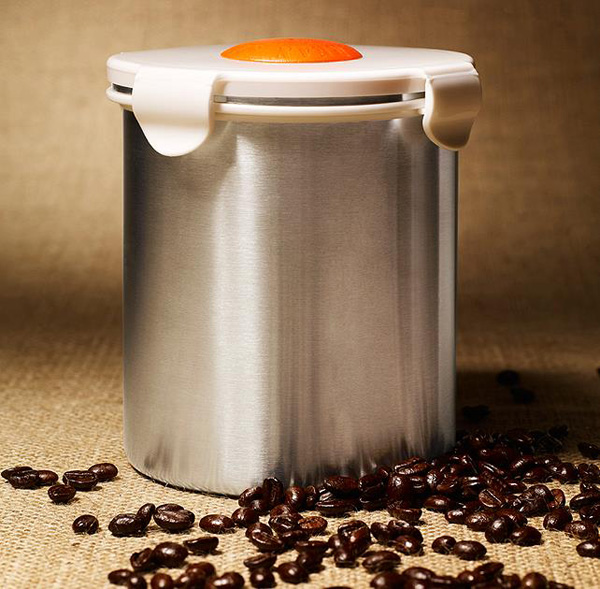
- Use an airtight container—preferably glass or stainless steel
- Avoid plastic or aluminum containers that absorb odors
- Keep beans in a cool, dark place (not the fridge or freezer)
- Buy only what you’ll use in 1 to 4 weeks
Oxygen is the biggest enemy of freshness. If you buy in larger quantities, consider using a vacuum-sealed or one-way valve bag to limit air exposure. Never store beans near strong-smelling foods—the porous beans will absorb odors easily.
How to Grind Coffee Beans for Stronger Flavor
Grind size directly affects extraction and flavor intensity. The finer the grind, the greater the surface area exposed to water, resulting in stronger, more intense extraction—especially for shorter brew methods.
As a rule:
- Coarse grind → French press (4–6 minutes brew time)
- Medium grind → drip coffee or siphon (2–4 minutes)
- Fine grind → espresso or Moka pot (20–30 seconds)
For a stronger cup, especially via pour-over or drip, opt for a medium-fine grind. The standard brew ratio cited is 10g coffee to 180ml water. Adjust to 1:15 to 1:17 for more intensity. And for best results, always use freshly ground beans—grind them right before brewing.
Brewing Method: Traditional Stovetop Coffee
The article describes a classic stovetop method ideal for extracting bold flavor:
- Add 2 tablespoons (about 10g) of coffee grounds to the upper chamber of a Moka pot
- Pour in 180ml of mountain spring water or filtered water into the bottom chamber
- Heat over medium heat until the water boils and begins rising
- Reduce to low heat once the coffee starts percolating
- Let it brew for 30–40 seconds, stirring gently once midway
- Remove from heat once the flow slows and let it finish dripping
This technique, when done correctly, produces a strong, robust cup. The use of spring or filtered water is crucial—it should be free of chlorine or heavy mineral content that can mute flavors.
Why Resting Roasted Beans Matters
One key tip often overlooked: don’t brew coffee immediately after roasting. Freshly roasted beans contain CO₂ and other volatile gases that affect extraction and flavor balance. The article recommends waiting at least one week after roasting before brewing.
During this resting period, gases escape and the bean’s internal structure stabilizes, allowing for a more even and flavorful extraction. Most specialty roasters suggest a resting window of 3 to 14 days, depending on roast level. Light roasts may need closer to two weeks; dark roasts are often ready sooner.
Frequently Asked Questions
How long should I let coffee beans rest after roasting?
Let roasted coffee beans rest for at least 7 days before brewing. This allows built-up carbon dioxide and other gases to dissipate, resulting in a cleaner, more balanced extraction. Some beans, especially light roasts, may benefit from resting up to two weeks.
What is the best grind size for strong coffee flavor?
A medium-fine to fine grind size extracts more flavor and intensity, especially for methods like pour-over or Moka pot. The finer the grind, the greater the surface area exposed to water, enhancing strength—but avoid over-extraction which leads to bitterness.
How much coffee should I buy at one time?
Buy only as much coffee as you can consume in 1 to 4 weeks. Buying too much increases the chance of beans losing freshness. Ideal storage is in an airtight glass or stainless-steel container, kept in a cool, dark place.
Can I store coffee beans in the fridge or freezer?
No, avoid storing coffee beans in the fridge or freezer. These environments introduce moisture and cause condensation, which damages flavor and aroma. Instead, keep beans in an airtight container in a cool, dry cupboard away from light and heat.
What water should I use to brew for best flavor?
Use filtered or spring water for the best coffee flavor. The article specifically recommends mountain spring water or filtered tap water to avoid chlorine, heavy minerals, or impurities that can mute the coffee’s natural aromas and tastes.
Recommended FrontStreet Beans for Bold, Aromatic Coffee
For coffee lovers seeking rich, aromatic beans that deliver bold flavors, try FrontStreet Ethiopia Humbera, known for its vibrant notes of strawberry, citrus, mango, and tropical fruit. Or choose FrontStreet PWN Golden Mandheling, offering deep chocolate, caramel, and spicy tones with a thick, smooth body. Both are single-origin beans roasted to highlight their natural complexity. Freshly roasted within 5 days · Orders placed before 17:00 ship the same day · Next-day delivery across most of Guangdong Province.
FrontStreet Coffee is a long-established specialty coffee roaster in Guangzhou China, selling freshly roasted beans from its own farm in Yunnan as well as dozens of carefully selected single-origin beans from around the world for both pour-over and espresso. The products deliver consistently excellent quality and great value, with shipping within 24 hours. Guangzhou's FrontStreet Coffee shop is recommended by many coffee lovers, and the beans are now available online at the Tmall 。
Important Notice :
前街咖啡 FrontStreet Coffee has moved to new addredd:
FrontStreet Coffee Address: 315,Donghua East Road,GuangZhou
Tel:020 38364473