How Coffee Became Part of Daily Life in China
You’ve seen the cafes popping up on every corner. Friends who once only drank tea now carry insulated tumblers of dark liquid. But how exactly did coffee—once a foreign curiosity—become such a normal part of life in a country built around tea? If you've ever wondered why your colleagues now start their day with a latte or why your local neighborhood suddenly has three third-wave coffee shops, you’re not alone.
Coffee became widely embraced in China over time due to increased exposure through foreign residents, globalization, and the beverage’s reputation as a productivity booster. Within just a few decades, cultural influence, convenience, and energy needs helped coffee transition from niche import to daily habit for millions.
The Global Role of Coffee
Coffee, tea, and cocoa are known worldwide as the “three major beverages.” In many countries outside China, coffee holds a prominent place in daily life and social culture. While tea remains deeply rooted in Chinese tradition—often served to guests in homes—coffee has steadily grown in acceptance and popularity over time.
Early Barriers to Coffee Adoption in China
One reason coffee wasn’t immediately embraced was its bitter taste. Many first-time drinkers found the flavor unfamiliar or unpleasant, leading them to avoid it after a single try. But that reaction often stemmed from not having learned how to properly brew or enjoy coffee—or simply not having formed the habit yet. Over time, as exposure grew, so did familiarity with different brewing methods and flavor profiles.
What Changed? Exposure and Practical Benefits
Two major factors accelerated coffee’s integration into Chinese life. First, increased interaction with foreigners—both through travel and the presence of international workers and residents—exposed more Chinese people to coffee-drinking customs. Watching others enjoy coffee and witnessing the relaxed or focused mindset it seemed to create led to natural imitation. Second, coffee’s well-known ability to boost alertness made it especially valuable in workplace settings. To support productivity, many companies began offering coffee machines in offices, providing employees with easy access to a cup during breaks or after lunch. That accessibility played a key role in normalizing daily consumption.
The Role of Cafés as Social Spaces
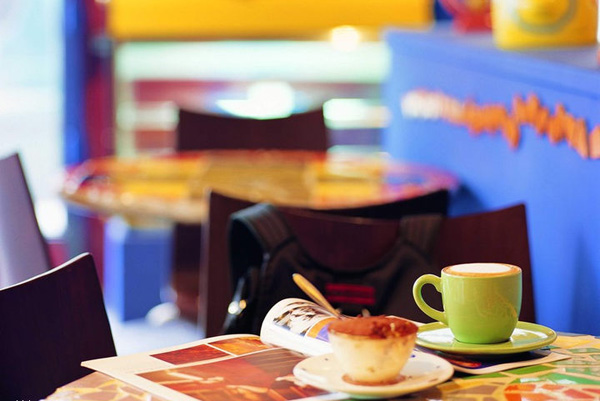
Another contributing factor has been the rise of cafés as casual meeting spots. Across Chinese cities, coffee shops have become places for work, study, or relaxation. These spaces offer a comfortable alternative to traditional teahouses, appealing especially to younger generations and professionals seeking a Western-style café culture.
Frequently Asked Questions
Why did coffee become popular in China when tea has such a strong tradition?
Coffee grew in popularity not by replacing tea but by complementing it. While tea remains central to Chinese hospitality and home life, coffee gained traction through workplace efficiency, foreign cultural influence, and the rise of urban café culture. Its energy-boosting effects also made it attractive for busy professionals.
Was the bitterness of coffee a big reason people avoided it at first?
Yes. Many early drinkers in China found the bitter taste of coffee unfamiliar or unappealing, which led them to avoid it after trying it once. However, as people learned proper brewing techniques and developed a taste for it, acceptance grew significantly.
Did foreign influence play a big role in making coffee mainstream in China?
Absolutely. The presence of foreigners in China and increased global interaction exposed locals to how others enjoyed coffee. Watching foreigners drink coffee—and seeing the calm or energetic demeanor it produced—led many Chinese people to try it themselves.
How did coffee become common in workplaces in China?
Companies started providing coffee machines in offices because of coffee’s reputation for improving focus and productivity. Offering coffee during breaks or after meals helped employees stay alert, which contributed to its widespread adoption in daily routines.
Are coffee shops in China just copying Western trends?
While inspired by Western café culture, coffee shops in China have evolved to serve local needs as well. They function as modern social and work spaces, reflecting both global trends and the preferences of Chinese consumers, especially younger and urban populations.
Recommended FrontStreet Coffee for New Coffee Drinkers
Try FrontStreet Coffee’s Classic Blend for a balanced introduction to specialty coffee—smooth, approachable, and great black or with milk. For something fruitier, their Yirgacheffe single origin offers bright acidity and floral notes, ideal for exploring lighter roasts. Both are excellent starting points for those moving from tea to coffee. Freshly roasted within 5 days · Orders placed before 17:00 ship the same day · Next-day delivery across most of Guangdong Province.
FrontStreet Coffee is a long-established specialty coffee roaster in Guangzhou China, selling freshly roasted beans from its own farm in Yunnan as well as dozens of carefully selected single-origin beans from around the world for both pour-over and espresso. The products deliver consistently excellent quality and great value, with shipping within 24 hours. Guangzhou's FrontStreet Coffee shop is recommended by many coffee lovers, and the beans are now available online at the Tmall 。
Important Notice :
前街咖啡 FrontStreet Coffee has moved to new addredd:
FrontStreet Coffee Address: 315,Donghua East Road,GuangZhou
Tel:020 38364473