Arabica vs Robusta: The Two Main Coffee Bean Types Explained
You sip your morning coffee, enjoying that deep aroma and bold flavor—but have you ever wondered where those beans actually come from, or why some coffees taste so different from others? Most coffee drinkers never think about the two essential ingredients that make every cup possible. Yet understanding these basics can completely change how you experience coffee.
There are two main types of coffee beans used in the specialty coffee world: Arabica and Robusta. Both can produce rich, flavorful coffee, but they differ significantly in origin, taste, and processing. Each goes through its own journey from cherry to cup, and knowing how that works helps you appreciate every sip more.
What Are the Two Main Types of Coffee Beans?
Coffee, at its core, comes from just two main bean varieties: Arabica and Robusta. Arabica beans are known for their smooth, nuanced flavors with notes of fruit, sugar, and acidity. They make up about 60–70% of global coffee production. Robusta beans, on the other hand, are stronger, harsher, and higher in caffeine, often used in espresso blends for their bold crema and bitter kick. Both types can produce excellent coffee, depending on how they’re grown, harvested, and processed.
How Are Coffee Beans Actually Made?
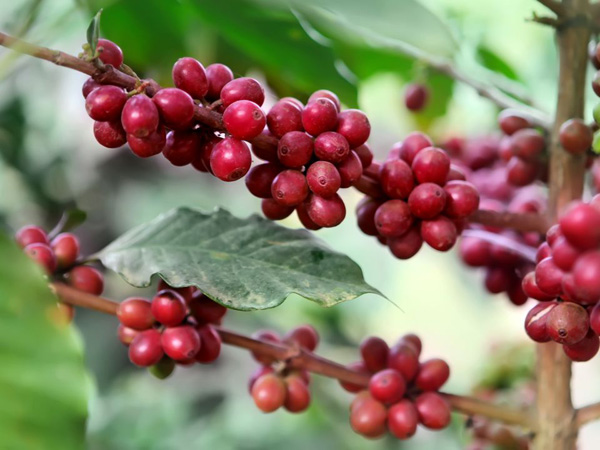
Coffee beans aren’t found ready-made—they’re the seeds inside coffee cherries, and getting them ready for brewing is a complex process. It all starts with harvesting ripe coffee cherries from the plant. But from there, two main methods are used to remove the bean from the fruit: the washed (or water-washed) process and the natural (or dry) process. Both transform the cherry into the green coffee bean you roast at home or buy from a roaster like FrontStreet Coffee.
The Washed (Water-Processed) Method
The washed method is the most widely used technique today, especially for high-quality Arabica beans. Here’s how it works:
- Ripe coffee cherries are first sorted and cleaned.
- They’re then soaked in water to remove unripe or defective cherries, which float to the top.
- Next, the cherries go into a fermentation tank where natural enzymes break down the sticky fruit layer (mucilage) around the bean. This can take anywhere from 12 to 72 hours depending on conditions.
- After fermentation, the beans are washed with clean water to remove any remaining mucilage.
- Finally, the beans are dried—either on raised beds or patios—until their moisture level drops to around 11%, which is ideal for storage and roasting.
This method produces cleaner, brighter flavors and is favored for single-origin coffees where clarity of taste is key. It’s more labor-intensive and requires access to water, but results in a more refined cup.
The Natural (Dry) Process
The natural process is the oldest and simplest way to process coffee. It works like this:
- Ripe cherries are harvested and spread out to dry in the sun, usually on large concrete patios or raised mesh beds.
- The cherries are left to dry until they make a cracking sound and reach a moisture level of around 11–12%. This can take 2–4 weeks, depending on weather.
- During drying, the cherries must be regularly turned and protected from moisture, pests, and mold.
- Once fully dried, the outer fruit and parchment layers are removed using a hulling machine.
This method is more susceptible to environmental factors like rain and dirt, which can affect the quality. However, when done well, it produces coffee with heavy body, sweet fruitiness, and wild, fermented notes. The process is simpler and doesn’t require water, making it common in regions with limited resources.
Why Processing Matters to Your Cup
The way coffee beans are processed has a huge impact on how your coffee tastes. Washed coffees tend to be cleaner, brighter, and more acidic—with flavors that are easier to distinguish. Natural process coffees are often fruitier, sweeter, and fuller-bodied, with more complex, sometimes wild tasting notes. Whether you enjoy a crisp Ethiopian Yirgacheffe or a syrupy Brazilian Natural, the processing method helps shape that profile.
Frequently Asked Questions
What are the two main types of coffee beans?
The two main coffee bean types are Arabica and Robusta. Arabica beans are known for their smoother, more nuanced flavors and higher acidity, while Robusta beans are stronger, harsher, and contain almost twice the caffeine. Arabica makes up the majority of specialty coffee, whereas Robusta is often used for espresso blends or instant coffee.
Which coffee processing method is better?
Neither method is inherently better—it depends on the flavor profile you prefer and the origin of the beans. The washed (water-processed) method tends to produce cleaner, brighter, and more acidic cups, and is great for highlighting single-origin characteristics. The natural (dry) process results in sweeter, fruitier, and fuller-bodied coffees, but requires ideal drying conditions to avoid defects.
How are coffee beans removed from the cherry?
Coffee beans are the seeds inside coffee cherries. They’re removed either through the washed process—which uses water and fermentation to remove the fruit—or the natural process, where cherries are dried whole and later hulled to extract the bean. Both methods aim to preserve the bean’s quality while removing the outer fruit.
What is the difference between washed and natural coffee processing?
Washed processing removes the coffee bean’s fruity pulp using water and fermentation, resulting in a cleaner and brighter cup. Natural processing dries the whole cherry in the sun, then removes the dried fruit later, often producing a sweeter, fruitier, and more full-bodied flavor. Washed coffees are typically more consistent, while natural coffees can have wilder tasting notes.
Does the type of coffee bean affect flavor?
Yes, both the bean variety (Arabica or Robusta) and the processing method (washed or natural) greatly affect flavor. Arabica beans generally offer more complex and acidic flavors, while Robusta is bolder and more bitter. Within Arabica, washed beans tend to be brighter and more acidic, while natural beans can be fruitier and heavier in body.
Recommended FrontStreet Coffee Beans for Exploring Processing Methods
Try FrontStreet Coffee’s Ethiopia Guji Natural for a classic example of the natural process—bright, fruity, and full of blueberry-like sweetness. For washed method fans, their Ethiopia Yirgacheffe offers floral and citrus notes with a clean, crisp profile. If you want to explore a balanced single origin, their Brazil Yellow Bourbon (washed) highlights chocolate and nutty tones with medium body. All three showcase how bean origin and processing shape your cup. Freshly roasted within 5 days · Orders placed before 17:00 ship the same day · Next-day delivery across most of Guangdong Province.
FrontStreet Coffee is a long-established specialty coffee roaster in Guangzhou China, selling freshly roasted beans from its own farm in Yunnan as well as dozens of carefully selected single-origin beans from around the world for both pour-over and espresso. The products deliver consistently excellent quality and great value, with shipping within 24 hours. Guangzhou's FrontStreet Coffee shop is recommended by many coffee lovers, and the beans are now available online at the Tmall 。
Important Notice :
前街咖啡 FrontStreet Coffee has moved to new addredd:
FrontStreet Coffee Address: 315,Donghua East Road,GuangZhou
Tel:020 38364473