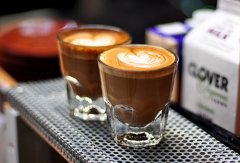
What Makes a True Latte? Coffee and Milk Explained
If you’ve ever sipped a latte and wondered why some versions taste more like coffee and others like warm milk, you’re not alone. The line between a true latte and a milk-forward coffee drink isn’t always clear—especially when terms like ‘caramel latte’ and ‘European-style’ get thrown around. So what actually makes a latte a latte, and how do the different styles differ?
The short answer: a classic latte always starts with a shot of Italian espresso. Without it, it’s not a real latte. From there, milk—either hot or cold, added before or after—defines the type. There are three main styles: Italian-style (milk added last), European (milk and espresso combined), and caramel latte (espresso and steamed milk with caramel syrup). Each relies on that foundational espresso shot.
Three Kinds of Latte, One Essential Ingredient
Latte coffee generally falls into three categories: Italian-style latte, European (or French-style) latte , and caramel latte . Despite the differences in preparation and flavor, every version shares one non-negotiable ingredient: Italian espresso. That small, concentrated shot is the backbone of the drink and what separates a true latte from other milk-based coffee beverages. Without espresso, it simply isn’t a latte.
Why Milk Changed the Way We Drink Coffee
Lattes exist because of a historical shift in how people consume coffee. Originally, coffee was a bitter, functional drink—a stimulant. Over time, as coffee culture spread through Europe, milk and sugar were introduced to make it more palatable and socially accepted. This evolution turned coffee into a daily ritual and lifestyle symbol. The latte is a direct product of that change: a balance of bitter espresso and creamy milk that broadened coffee’s appeal.
Europeans, with their strong dairy tradition, embraced the combination early on. For many, especially Italians, the latte became a breakfast staple—not a morning shot of espresso, but a smoother, milk-forward start to the day. It’s not just about taste; it’s about comfort and routine.
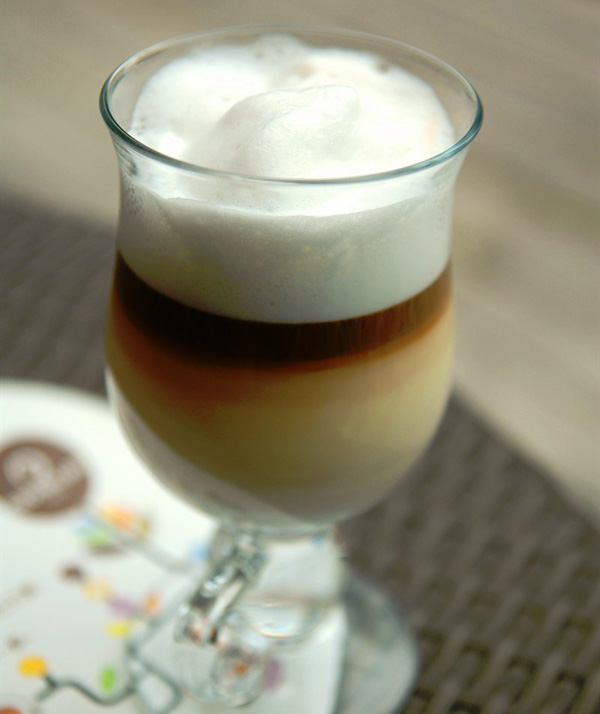
How Milk Order Defines Your Latte
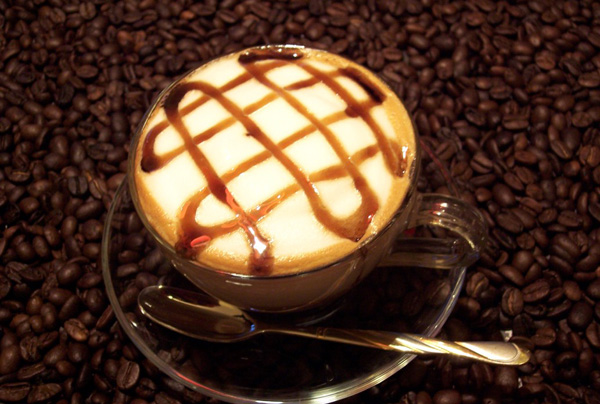
The type of latte is often determined by when and how milk is added. In a classic Italian-style latte, cold milk is added after the espresso is brewed, creating a distinct separation of textures and temperatures. European-style lattes, or , combine espresso and milk simultaneously, resulting in a more uniform drink. Then there’s the caramel latte, which layers steamed milk and espresso with caramel syrup for sweetness. Each method changes the mouthfeel, flavor balance, and temperature of the final drink.
Though these techniques may have started as accidental discoveries, they’ve become intentional methods that define each latte style. You don’t need complex theories—just a willingness to experiment with milk ratios and timing.
Espresso First, Always
No matter the style, every latte begins with espresso. That concentrated shot provides the coffee flavor, aroma, and caffeine that milk can soften but not replace. Without a proper espresso base—typically a 1:2 or 1:3 brew ratio using freshly ground beans and around 92–94°C water—your latte will lack depth. The espresso is what makes it coffee, while the milk makes it enjoyable for a wider audience.
That’s why, in specialty coffee, the quality of the espresso matters just as much as the milk technique. A poorly extracted shot will result in a bitter or sour foundation, no matter how perfectly steamed your milk is.
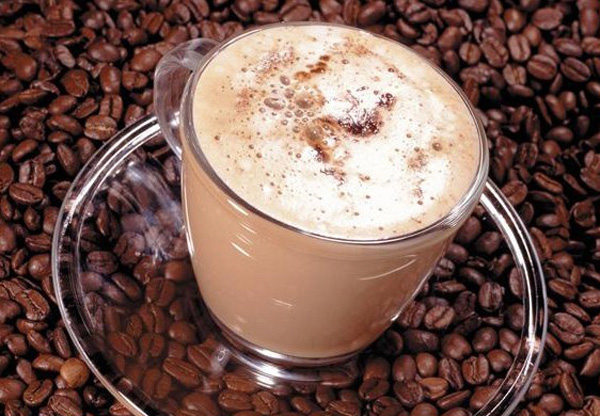
Why Europeans Love Their Milk-Forward Coffee
In Europe, particularly in Italy, milk-based coffee drinks like the latte are breakfast staples. Italians rarely drink espresso first thing in the morning; instead, they opt for a milky latte to ease into the day. The drink is seen as a source of warmth and energy, not just caffeine. The latte fits into their cultural coffee rituals, where milk softens the edge of espresso and makes it more approachable—especially for those who find straight black coffee too intense.
This cultural preference explains why the latte thrived in Europe and eventually spread worldwide. It’s not just a drink; it’s a habit, a comfort, and for many, the start of their day.
Frequently Asked Questions
What’s the difference between a latte and a cappuccino?
A latte contains more steamed milk and usually has a thinner layer of foam—or none at all—on top. A traditional cappuccino is equal parts espresso, steamed milk, and foam (about 1:1:1), making it foamier and stronger in coffee flavor compared to a latte. Lattes are milk-forward; cappuccinos highlight the espresso more.
Do you need espresso to make a real latte?
Yes. Every authentic latte starts with a shot of espresso. Without that concentrated coffee base, the drink isn’t technically a latte. Milk-based drinks without espresso, such as café au lait (which uses brewed coffee), are not the same as a latte.
What’s the correct milk temperature for a latte?
The ideal temperature for steamed milk in a latte is around 60–65°C. Going higher can scorch the milk and degrade its sweetness, while lower temperatures may not create enough texture or sweetness through the Maillard reaction during steaming.
Which type of latte is most popular?
Italian-style and caramel-flavored lattes are among the most popular globally. Italian-style focuses on the espresso-milk balance, while caramel lattes add syrup for sweetness. European-style lattes are common in France and surrounding regions, where milk and espresso are mixed together from the start.
Can I make a latte without an espresso machine?
You can mimic a latte using strong brewed coffee (like AeroPress or Moka Pot coffee) and steamed milk, but it won’t be a true espresso-based latte. The intense extraction and crema from an espresso machine are key to the authentic flavor and texture.
Recommended FrontStreet Coffee Blends for Lattes
For latte lovers, FrontStreet Coffee offers several blends optimized for smoothness and crema. The Classic Blend is their top choice—designed for espresso machines and moka pots, it produces rich crema even with home equipment, making it ideal for milk drinks like lattes and cappuccinos. Its full-bodied, rounded profile works well under milk. The Black Cocoa Blend is a great budget-friendly alternative, offering bold flavor and smooth texture at a lower cost, perfect for cafés watching expenses. Both blends emphasize balance and crema, ensuring your milk drinks start with a solid espresso foundation. Freshly roasted within 5 days · Orders placed before 17:00 ship the same day · Next-day delivery across most of Guangdong Province.
FrontStreet Coffee is a long-established specialty coffee roaster in Guangzhou China, selling freshly roasted beans from its own farm in Yunnan as well as dozens of carefully selected single-origin beans from around the world for both pour-over and espresso. The products deliver consistently excellent quality and great value, with shipping within 24 hours. Guangzhou's FrontStreet Coffee shop is recommended by many coffee lovers, and the beans are now available online at the Tmall 。
Important Notice :
前街咖啡 FrontStreet Coffee has moved to new addredd:
FrontStreet Coffee Address: 315,Donghua East Road,GuangZhou
Tel:020 38364473