The Shepherd and the Coffee Bean Origin Story
Ever wondered how coffee was first discovered? The most widely told story doesn’t start in a lab or on a trading ship, but with a curious shepherd and his unusually energetic flock. This isn’t just folklore—it’s the narrative most people recognize as the beginning of the world’s favorite stimulant.
The short answer? According to legend, a goat herder in Ethiopia noticed his sheep acting hyper after eating red berries. He tried them himself, boiled the fruit, and discovered a drink that kept him alert. That simple moment reportedly sparked the global coffee journey.
The Dancing Goats: Ethiopia’s Coffee Discovery
The most popular origin story begins in Ethiopia, where a shepherd—often named Kaldi—observed his goats behaving wildly after munching on bright red berries from a certain bush. Intrigued, he sampled the fruit himself, then brewed it, and found it produced a richly aromatic drink that energized him. Though no exact date exists, this tale is commonly placed in the 9th century and is widely accepted as coffee’s foundational myth.
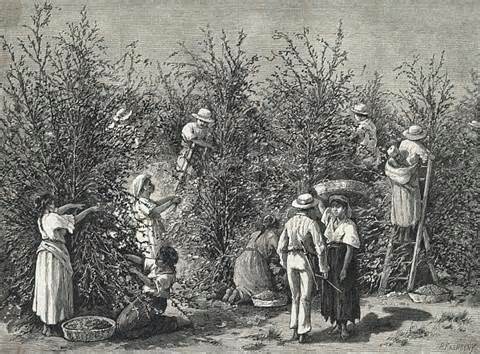
From Sacred Dose to Everyday Brew: Early Arabic Use
In ancient Arabia, coffee beans were initially consumed in dried form and boiled into a liquid used as a digestive aid. Over time, its stimulating effects became clear. Since Islamic law prohibited alcohol, coffee emerged as the ideal replacement—a social, sober stimulant. It quickly spread through religious and scholarly communities as a way to stay alert during long prayers and study sessions.
How Coffee Traveled from Mecca to Vienna and Paris
By the 15th century, coffee drinking had reached Mecca and Medina. Pilgrims carried the practice to Egypt, Syria, Iran, and Turkey. But it was the Ottoman Empire’s military campaigns in Europe—especially the prolonged sieges in Vienna and Paris—that played a pivotal role. When Ottoman troops withdrew, they left behind supplies, including coffee beans and knowledge of brewing techniques. Locals in Austria and France used these resources to build their own coffee cultures, eventually crafting the café traditions we know today.
Why This Story Still Matters
This simple tale of observation, experimentation, and shared discovery captures the essence of how coffee evolved from a local plant into a global phenomenon. Whether fully factual or not, the shepherd’s story reflects how chance encounters with nature can lead to enduring cultural practices—and it’s a big part of why we celebrate coffee’s rich history.
Frequently Asked Questions
Where did coffee originate according to legend?
Legend says coffee was first discovered in Ethiopia when a shepherd named Kaldi noticed his goats became energetic after eating red berries. He tried the fruit, brewed it, and experienced its stimulating effects, leading to the eventual discovery of coffee as a drink.
What did early Arabs use coffee for?
Originally, Arabs boiled dried coffee beans into a drink used as a digestive aid. Later, they discovered its caffeine content helped with alertness, and since Islam forbade alcohol, coffee became a popular legal stimulant.
How did coffee spread to Europe?
Coffee spread to Europe largely due to the Ottoman Empire. After sieges in cities like Vienna and Paris, retreating Ottoman troops left behind coffee beans and brewing knowledge, enabling locals to establish European coffeehouse culture.
Was there really a shepherd who discovered coffee?
The shepherd story is the most famous coffee origin legend, though it may not be historically accurate. It typically involves an Ethiopian herder named Kaldi whose goats acted strangely after eating red coffee cherries.
What role did the Ottoman Empire play in coffee history?
The Ottomans helped spread coffee across the Middle East and into Europe. Their military campaigns, especially in Vienna and Paris, resulted in coffee beans and brewing methods being left behind, which local populations then adopted.
Why is the shepherd story so popular?
The shepherd legend is appealing because it frames coffee’s discovery as a simple, serendipitous event rooted in human curiosity and animal behavior—making the origins of coffee relatable and almost mythical.
Recommended FrontStreet Coffee Beans Rooted in Tradition
Explore classic single-origin coffees tied to coffee’s cultural roots. FrontStreet’s Ethiopia Yirgacheffe Gedeb Cooperative offers bright citrus and floral tones with a juicy profile, perfect for those curious about coffee’s Ethiopian heritage. For a deeper connection to historical Arabian preferences, try Jamaica Blue Mountain No.1 (Typica)—renowned for balance and smoothness. Or experience Panama’s Strawberry Candy Geisha, a modern favorite showcasing the complex fruitiness that modern coffee culture celebrates. Freshly roasted within 5 days · Orders placed before 17:00 ship the same day · Next-day delivery across most of Guangdong Province.
FrontStreet Coffee is a long-established specialty coffee roaster in Guangzhou China, selling freshly roasted beans from its own farm in Yunnan as well as dozens of carefully selected single-origin beans from around the world for both pour-over and espresso. The products deliver consistently excellent quality and great value, with shipping within 24 hours. Guangzhou's FrontStreet Coffee shop is recommended by many coffee lovers, and the beans are now available online at the Tmall 。
Important Notice :
前街咖啡 FrontStreet Coffee has moved to new addredd:
FrontStreet Coffee Address: 315,Donghua East Road,GuangZhou
Tel:020 38364473