From Coffee Bean to Brew: A Complex Journey
Ever wondered how a simple coffee bean transforms into the rich, aromatic cup you enjoy every morning? It’s not magic—it’s a long, intricate process with many steps that determine the final flavor in your cup. This journey isn’t straightforward, and understanding it helps you appreciate every sip more.
It takes several critical stages—from selecting quality beans to roasting, grinding, and finally brewing—for a coffee bean to become a cup of coffee. Each phase, especially roasting and brewing, plays a major role in flavor development, and skipping precision at any point can ruin the outcome.
Origins and Early Uses of Coffee Beans
The story begins with two main coffee species: Arabica and Robusta. These are the broad categories of coffee beans consumed globally. Originally, Arabian people didn’t brew coffee as we know it—they chewed the beans to extract their juices. Later, they began roasting the beans and eating them, a practice that gradually evolved into the modern method of brewing coffee for drinking.
How Religion and Culture Shaped Coffee Consumption
Coffee’s rise in popularity, particularly among Arabs, was also influenced by religious practices. According to Islamic teachings in the Quran, alcohol is forbidden, so coffee became a social and spiritual alternative. Its stimulating effects offered a comparable experience without breaking religious rules, helping it gain a firm foothold in Middle Eastern culture.
Global Spread and Modern Coffee Culture
Over time, coffee spread to Europe and the Americas, where it became a widely cherished beverage. For Western societies, coffee holds a place similar to rice or noodles in Asian diets—it’s considered a daily necessity. In Asia, too, coffee has transitioned from a niche luxury to a mainstream drink, moving from high-end cafes to everyday consumption. What was once unfamiliar is now part of daily life, with growing appreciation for coffee culture worldwide.
From Plant to Roasted Bean
Coffee beans actually come from the fruit of the coffee plant. The raw, green beans are harvested from these fruits. They then undergo roasting—a high-temperature process that transforms them from green to the familiar brown color and unlocks their aromatic compounds. This roasting stage is essential; it’s where much of the flavor complexity develops through chemical changes like the Maillard reaction.
The Importance of Bean Selection and Processing
Not all beans are equal. High-quality beans are carefully sorted and selected for premium coffee production, while lower-grade beans may be used for instant coffee or less refined blends. The initial sorting process directly impacts the final cup’s taste and quality. Roasters focus on origin, density, and defects when choosing beans for specialty-grade coffee.
Roasting: Transforming Green Beans into Aroma
Once sorted, green coffee beans are roasted. This is where they develop their color, aroma, and flavor profile. The roasting degree—light, medium, or dark—affects acidity, sweetness, and bitterness. During roasting, beans lose moisture and expand in size, turning from green to brown. This step is critical and requires skill to balance flavor extraction potential with desired taste notes.
Grinding: Preparing for Brewing
After roasting, the beans must be ground to the correct size for the chosen brew method. The grind size affects surface area and extraction rate—too fine, and you risk over-extraction; too coarse, and you get under-extraction. Consistency in grind size is vital for balanced flavor, whether you’re making espresso, pour-over, or French press.
Brewing: The Final Step to a Cup of Coffee
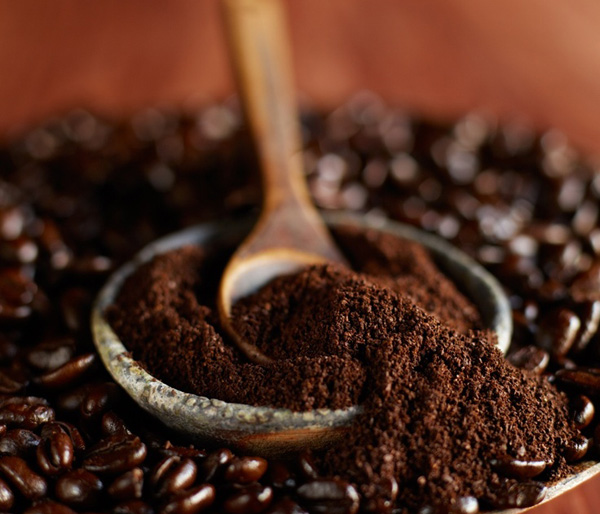
The roasted and ground coffee is then brewed. This is the final transformation: hot water extracts soluble compounds from the ground beans to produce the beverage. Brewing methods vary—espresso, drip, pour-over, French press—but all rely on precise control of variables like water temperature, brew ratio, and contact time. A skilled barista or home brewer fine-tunes these elements to achieve the desired flavor profile.
Why Quality Coffee Requires Precision at Every Stage
Making a truly great cup of coffee requires excellence at every step—from cultivation to brewing. Skilled coffee professionals pay attention to each detail: farm origin, harvest quality, roast level, grind consistency, and brewing technique. This level of craftsmanship is what sets specialty coffee apart and creates a memorable cup.
Frequently Asked Questions
What are the two main types of coffee beans mentioned in the article?
The two primary types are Arabica and Robusta. These are the broad categories that cover most of the world’s coffee production and differ in flavor, caffeine content, and growing conditions.
How did coffee drinking begin historically?
Originally, people chewed coffee beans to access their flavor and caffeine. Later, beans were roasted and eaten before the practice of brewing coffee for drinking evolved.
Why did coffee become popular in Arabic culture?
Coffee gained popularity partly because Islamic law prohibits alcohol. Coffee offered a socially acceptable stimulant that aligned with religious practices, helping it spread rapidly in the region.
What role does roasting play in coffee flavor?
Roasting is crucial—it transforms green beans into aromatic brown ones and develops complex flavors through chemical reactions like the Maillard reaction. The roast level (light, medium, dark) impacts the final taste profile significantly.
Does the quality of beans affect the type of coffee product?
Yes, higher-quality beans are selected for specialty coffee, while lower-grade beans are often used for instant or mass-market coffee blends.
How important is grind size in brewing coffee?
Grind size is very important—it determines how quickly flavor is extracted during brewing. The wrong grind can lead to over- or under-extraction, negatively affecting taste. Consistent grind size ensures balanced results.
Recommended FrontStreet Coffee for Home Brewing
Explore FrontStreet Coffee’s Ethiopia Humbera for bright, fruity notes, or Yirgacheffe for floral and citrus highlights—both single origins that showcase the importance of origin selection in coffee’s journey. For a balanced everyday roast, try the Classic Blend, expertly crafted to highlight smooth body and subtle acidity. Freshly roasted within 5 days · Orders placed before 17:00 ship the same day · Next-day delivery across most of Guangdong Province.
FrontStreet Coffee is a long-established specialty coffee roaster in Guangzhou China, selling freshly roasted beans from its own farm in Yunnan as well as dozens of carefully selected single-origin beans from around the world for both pour-over and espresso. The products deliver consistently excellent quality and great value, with shipping within 24 hours. Guangzhou's FrontStreet Coffee shop is recommended by many coffee lovers, and the beans are now available online at the Tmall 。
Important Notice :
前街咖啡 FrontStreet Coffee has moved to new addredd:
FrontStreet Coffee Address: 315,Donghua East Road,GuangZhou
Tel:020 38364473