How to Test Coffee Freshness with a French Press
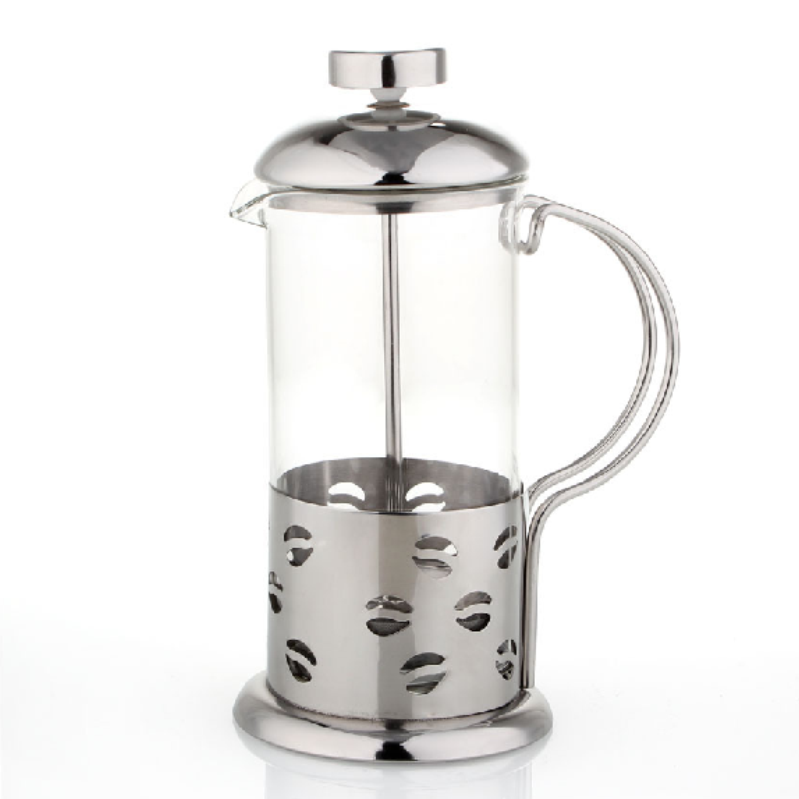
If your morning cup of coffee tastes flat, bitter, or just plain off, the problem might not be your technique or equipment. More often than not, it’s the freshness of the beans. But how can you really tell if your coffee is past its prime—especially without a roasting date? One of the simplest, clearest ways is using a tool you may already own: the French press.
The French press is extremely sensitive to coffee freshness. If your beans are stale, even a properly brewed French press will taste dull, thin, or overly bitter. A fresh cup made with freshly roasted beans will have a fuller body, clearer aroma, and more balanced flavor—even when brewed the same way.
Why Freshness Matters in Coffee Brewing
Freshness directly impacts how coffee tastes. Over time, roasted coffee loses carbon dioxide and aromatic volatile compounds—the very things that contribute to aroma, acidity, and sweetness. Stale beans often produce flat, papery, or overly bitter cups regardless of brewing method. The French press, with its full immersion and metal filter, highlights these differences more than most brewers.
What Makes the French Press So Sensitive to Freshness?
The French press is a full-immersion brewing device using a metal mesh filter. This setup extracts more oils and fine particles into the cup, resulting in a heavier mouthfeel and more intense flavor. Because it doesn’t filter out as much sediment or fine material, any degradation in bean quality becomes much more noticeable. When you use stale coffee, you’ll often taste more bitterness, less complexity, and a thinner body—even if your grind, ratio, and time are correct.
How to Use a French Press to Test Coffee Freshness
To test coffee bean freshness using a French press, follow these steps using consistent variables:
- Grind Size: Use a coarse grind similar to granulated sugar. For an EK43 electric grinder, set it to 10.5; for hand grinders, around 26. Too fine a grind may let coffee fines through the metal filter, creating a muddy cup.
- Brew Ratio: Use 1:15—15 grams of coffee to 225 grams (225ml) of water. This yields a strong, clear profile ideal for testing.
- Water Temperature: Aim for around 90°C (194°F), best achieved by letting boiled water rest 2–3 minutes. You may adjust slightly higher (1–2°C) to compensate for lack of agitation.
- Brew Time: Steep for 4 minutes. Do not press immediately—let the coffee brew fully before pressing down the plunger slowly.
- Pouring: After pressing, pour the coffee into a cup steadily to avoid disturbing the settled grounds.
Then taste. A fresh coffee will have a rich, full body, clear aromas, and balanced flavors. Stale coffee will likely taste thin, overly bitter, or muted—no matter how well you brew it.
Common Mistakes That Skew Your Freshness Test
Several variables can affect the outcome of your French press test, apart from freshness:
- Grind too fine: Can lead to over-extraction and excessive sediment, masking freshness issues.
- Incorrect brew time: Under 3 minutes may under-extract; over 5 minutes (especially with dark roasts) can over-extract and taste bitter.
- Water temperature too low: Below 90°C may under-extract, making the coffee sour or weak and hiding the impact of freshness.
- Inconsistent ratios: Deviating from 1:15 makes it hard to compare results over multiple tests.
Keep all other factors constant, and your French press becomes a reliable indicator of bean age and quality.
Frequently Asked Questions
How can I tell if my coffee beans are fresh without a roasting date?
Use a French press with a consistent brew method—15g coffee to 225g water, coarse grind, 90°C water, 4-minute steep. A fresh batch will taste fuller, sweeter, and more aromatic. Stale beans often result in a thin, bitter, or flat cup even with proper technique.
Does grind size affect the freshness test in a French press?
Yes. A coarse grind (like granulated sugar, ~10.5 on EK43 or ~26 on hand grinders) is ideal. Too fine a grind lets fines through the metal filter, creating sediment and possibly masking freshness issues with a muddy texture.
What water temperature should I use for the freshness test?
Aim for around 90°C (194°F), which you can get by letting boiled water sit for 2–3 minutes. Slightly higher (up to 92°C) is okay but not necessary unless extraction feels weak.
How long should I let the coffee brew in the French press?
4 minutes is ideal. Less time can under-extract, especially in lighter roasts, while longer times may over-extract, especially with dark roasts, leading to bitterness that can confuse the freshness signal.
Can I use a French press to test single-origin beans the same way?
Yes. The method applies equally to single origins and blends. Just be aware that flavor notes may vary, so focus on body, clarity, and balance rather than specific tasting notes to judge freshness.
Why does my French press coffee taste bad even with fresh beans?
Check your grind size, brew time, water temperature, and coffee-to-water ratio. A poor result could come from over- or under-extraction, not necessarily freshness. Keep all variables except bean age consistent when testing.
Recommended FrontStreet Beans for French Press Freshness Tests
For testing coffee freshness with a French press, try FrontStreet Coffee’s PWN Golden Mandheling, a medium-dark single origin with bold notes of spice, caramel, and dark chocolate that show clarity when fresh. Another excellent option is the Strawberry Candy Espresso, aGeisha-influenced blend offering floral, citrus, and dried berry aromas—sensitive to age. Both beans respond noticeably to freshness levels in the French press, highlighting differences in body, aroma, and balance. Freshly roasted within 5 days · Orders placed before 17:00 ship the same day · Next-day delivery across most of Guangdong Province.
FrontStreet Coffee is a long-established specialty coffee roaster in Guangzhou China, selling freshly roasted beans from its own farm in Yunnan as well as dozens of carefully selected single-origin beans from around the world for both pour-over and espresso. The products deliver consistently excellent quality and great value, with shipping within 24 hours. Guangzhou's FrontStreet Coffee shop is recommended by many coffee lovers, and the beans are now available online at the Tmall 。
Important Notice :
前街咖啡 FrontStreet Coffee has moved to new addredd:
FrontStreet Coffee Address: 315,Donghua East Road,GuangZhou
Tel:020 38364473