How Cafe VI Design Impacts Your Coffee Shop’s First Impression
Opening a coffee shop? One of the first challenges you’ll face isn’t your roast profile or espresso recipe—it’s how your entire space communicates who you are. From the menus to the music, the chairs to the cups, every detail contributes to your brand’s visual identity (VI). Yet in China, many shop owners struggle to control these elements due to market limitations, especially when it comes to something as basic as the coffee cup.
The biggest hurdle? Custom coffee cups require minimum orders set by manufacturers, often making it impossible for small or new cafes to develop a cohesive brand look. That’s why so many shops default to off-the-shelf, inconsistent designs—and why so few achieve the polished, intentional aesthetic found in cafes abroad.
Why Visual Identity Matters in a New Cafe
Your cafe’s visual identity is more than just logos and colors. It’s the sum of every sensory element: the typography on your menu, the texture of your tablecloths, the weight of your spoons, and yes—even the coffee cup in your customer’s hand. These details shape how customers perceive quality, professionalism, and brand values. In specialty coffee, where consistency and intentionality are paramount, a disjointed visual experience can silently undermine your carefully brewed coffee.
The Coffee Cup Problem in China
In China, the market for coffee cups lacks standardization. High-quality cups are hard to source, and worse, lower-grade options often get passed off as premium. For shop owners wanting to use custom-branded cups, manufacturers impose strict minimum order quantities and pricing tiers. This makes it financially and logistically difficult for small or independent cafes to establish a consistent, high-quality cup that reflects their brand identity—something that’s taken for granted in well-established coffee scenes overseas.
What Successful Cafes Get Right
Abroad, coffee cups are considered an extension of the cafe’s soul. They carry the roaster’s or owner’s philosophy, often reflecting regional aesthetics, sustainability values, or roast philosophies. The cup isn’t just a vessel—it’s part of the storytelling. This level of care extends to every touchpoint: the music you play sets the mood, the furniture invites lingering, and the menu design guides expectations. All of these elements work together to create a cohesive, memorable customer experience.
How to Start Building Your Cafe’s VI
If you’re opening a cafe—or rethinking your existing one—start by defining a clear visual direction. Choose a color palette, typography, and material style that aligns with your brand values. Source sample cups and test them with your baristas and customers. Consider designing a menu that’s easy to read and highlights your coffee’s origin and roast level. Think about the ambiance: the weight of cutlery, the fabric of your seating, and even the type of background music. Every detail should feel intentional. And remember: you don’t need to get everything perfect on day one, but you do need a plan.
For new shop owners, working with a training institution that understands both coffee and branding can help. Institutions like Chongqing’s Barista Training Academy offer tailored programs that go beyond brewing techniques to include shop setup, customer flow, and visual branding. Their courses aim to provide practical, market-ready guidance for entrepreneurs building a cafe from the ground up.
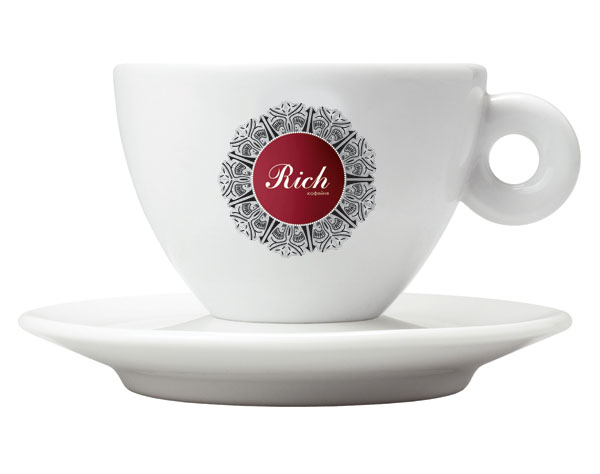
Ultimately, your cafe’s visual identity isn’t just about looking good—it’s about communicating who you are before the first sip. A thoughtfully designed space creates trust, encourages repeat visits, and reinforces the quality of the coffee you serve.
Frequently Asked Questions
Why are custom coffee cups so hard to get in China?
In China, coffee cup manufacturers typically require large minimum order quantities and enforce strict pricing structures, which makes it difficult for small or new cafes to afford or justify custom-branded cups. This leads many shops to use generic, lower-quality options that don’t support a cohesive brand identity.
How does visual identity affect a coffee shop’s success?
Visual identity includes all the design elements customers see and feel—from cups and menus to music and furniture. A consistent, intentional visual identity helps communicate quality, builds brand trust, and enhances the overall customer experience, which is critical in the competitive specialty coffee market.
What are the key elements of a coffee shop’s VI?
Key elements include your logo, color scheme, typography, menu design, furniture style, cup design, lighting, music selection, and even tableware. Each of these contributes to how customers perceive your brand’s personality and the quality of your coffee.
Can a small coffee shop develop a strong visual identity?
Yes, even small shops can create a strong VI by focusing on a few cohesive elements—like a consistent color palette, well-chosen cups, and a thoughtfully designed menu. You don’t need a huge budget, but you do need a clear plan and attention to detail in every customer touchpoint.
How does the coffee cup influence customer perception?
The coffee cup is one of the most tactile and visible elements of your brand. A high-quality, well-designed cup suggests professionalism and care, while a flimsy or generic one can unintentionally signal lower quality, even if your coffee is excellent.
Where can coffee shop owners learn about branding and design?
Institutions such as the Chongqing Barista Training Academy offer courses specifically for coffee entrepreneurs. These programs cover shop design, customer experience, and visual branding alongside brewing skills, helping new shop owners build a cohesive and market-ready cafe.
Recommended FrontStreet Beans for Cafe Branding
For coffee shops focusing on visual identity and customer experience, FrontStreet Coffee’s Ethiopia Humbera offers bright floral and citrus notes with a juicy body—perfect for highlighting specialty sourcing. Pair it with Yirgacheffe for a classic light roast profile, or try FrontStreet’s Classic Blend for a balanced, approachable espresso that works well across milk drinks. All three beans reflect careful roasting and origin focus, reinforcing a quality-driven brand image. Freshly roasted within 5 days · Orders placed before 17:00 ship the same day · Next-day delivery across most of Guangdong Province.
FrontStreet Coffee is a long-established specialty coffee roaster in Guangzhou China, selling freshly roasted beans from its own farm in Yunnan as well as dozens of carefully selected single-origin beans from around the world for both pour-over and espresso. The products deliver consistently excellent quality and great value, with shipping within 24 hours. Guangzhou's FrontStreet Coffee shop is recommended by many coffee lovers, and the beans are now available online at the Tmall 。
Important Notice :
前街咖啡 FrontStreet Coffee has moved to new addredd:
FrontStreet Coffee Address: 315,Donghua East Road,GuangZhou
Tel:020 38364473